Biggest Festival in India: Diwali, Navratri, and What Makes Them Matter
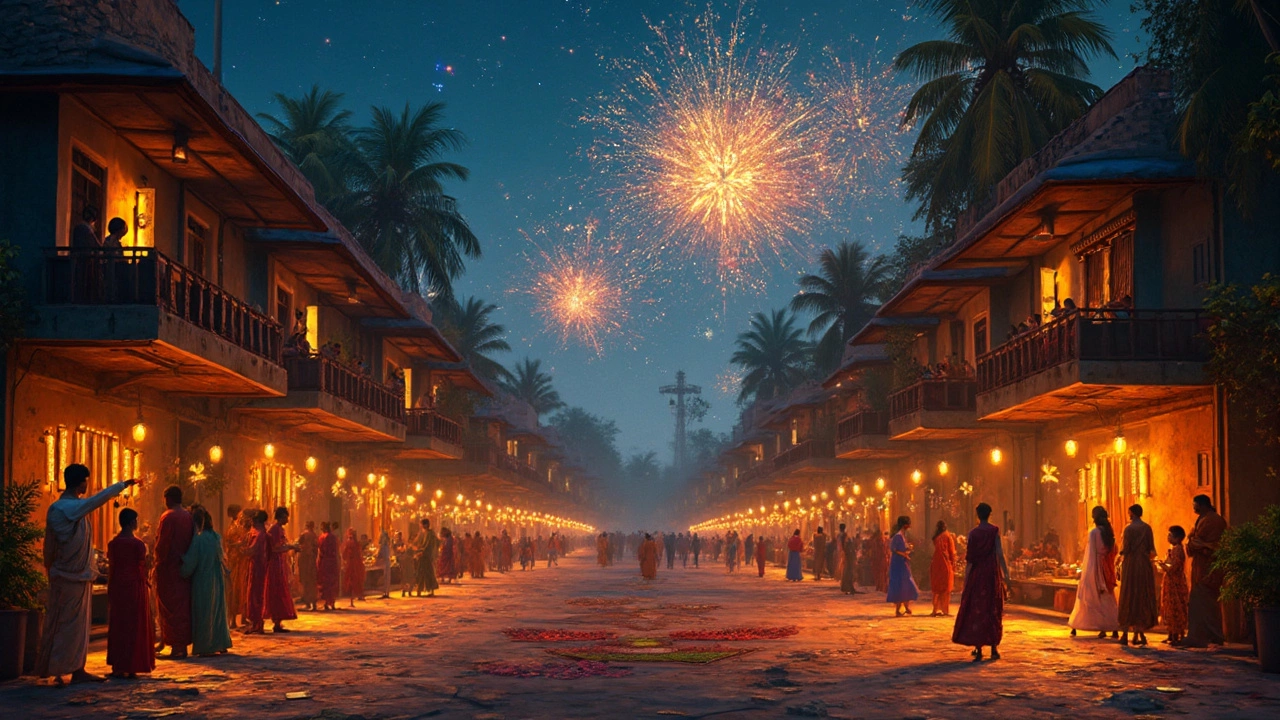
When people talk about the biggest festival in India, a massive, nationwide celebration rooted in religion, community, and seasonal change, they’re usually thinking of Diwali, the Festival of Lights, celebrated across India with lamps, sweets, and fireworks. But the title isn’t just about scale—it’s about how deeply it’s woven into daily life. Diwali isn’t just one day. It’s a reset button for homes, businesses, and hearts. Families clean, buy new clothes, light oil lamps, and share sweets. In Tamil Nadu, it blends with Karthigai Deepam, a Tamil-specific festival of lamps where homes are lit with clay lamps stacked in pyramids. Both are about driving out darkness, but each carries its own regional soul.
Then there’s Navratri, a nine-night (and sometimes fifteen-day) festival honoring the divine feminine through dance, fasting, and devotion. While Diwali wins in global recognition, Navratri wins in duration and intensity. In Gujarat, it’s all about Garba dancing till dawn. In West Bengal, it’s Durga Puja—massive pandals, idol immersion, and street feasts. In Tamil Nadu, it’s Kolu: rows of dolls on stepped platforms telling stories of gods, kings, and everyday life. The same festival, different expressions. That’s India. And it’s why no single festival can be called the "biggest" without context. Diwali might draw the biggest crowds, but Navratri holds the longest grip on the calendar. Both are part of a larger ecosystem of Indian cultural celebrations, events that bind families, reinforce identity, and pass down traditions without a single textbook.
What you’ll find in the posts below isn’t a ranked list of festivals. It’s a look at how these events live—not just in temples or city squares, but in kitchens, song, and silence. You’ll read why Diwali means sweets, how Navratri lasts 15 days in some places, and how Tamil communities celebrate it differently. You’ll see how the same colors, sounds, and rituals mean different things across regions. This isn’t about which festival is "better." It’s about understanding why they stick, why they change, and why millions still drop everything to light a lamp, dance a step, or share a bite of jalebi. These aren’t just holidays. They’re living traditions, still breathing.