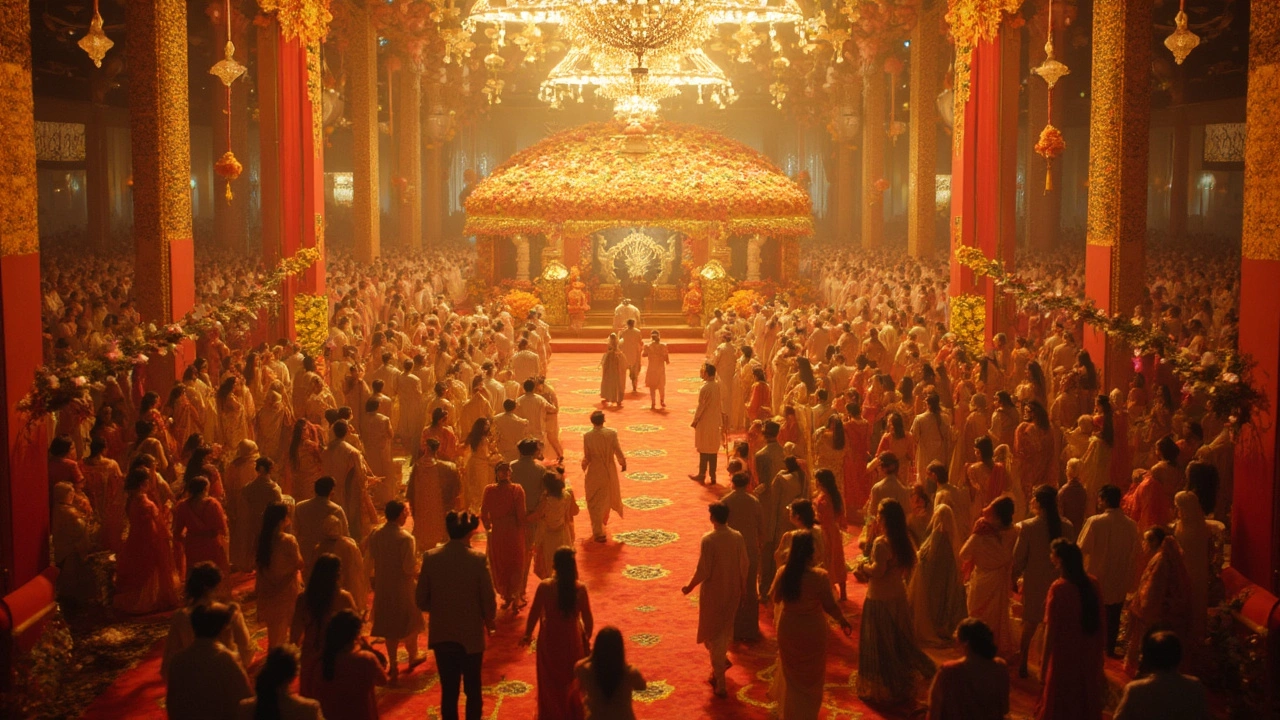
Big Fat Indian Wedding: What It Really Means, Traditions, and Why It Matters
A big fat Indian wedding, a vibrant, multi-day celebration rooted in family, faith, and regional customs. Also known as Indian marriage festivities, it's not just about grandeur—it's a social contract woven into centuries of tradition. These events aren’t random extravaganzas. They’re carefully choreographed rituals that bind families, honor ancestors, and mark the start of a new household. In Tamil Nadu, for example, the wedding doesn’t begin with the ceremony—it starts weeks earlier with the nakshatra matching, the exchange of gifts, and the maiyal (engagement). The scale? It’s not about showing off. It’s about fulfilling duty.
What makes a wedding "big" isn’t just the number of guests or the gold jewelry. It’s the layers of meaning. The Hindu wedding customs, a set of rituals derived from Vedic texts and regional practices include the kanyadaan (giving away the bride), the saptapadi (seven steps around the sacred fire), and the tying of the mangalsutra. In the South, you’ll find the maangalyam tied with a single thread, while in the North, it’s often a chain. These aren’t interchangeable. Each act carries a specific blessing. Then there’s the food—dozens of dishes prepared by family members, each with symbolic meaning. Sweets for joy, lentils for prosperity, fried snacks for abundance. And the music? It’s not background noise. It’s the Tamil folk music, a living tradition of rhythm and voice passed down through generations, driving the dance, the prayers, the laughter.
Don’t assume all big Indian weddings are the same. A Tamil wedding in Madurai follows different rules than one in Jaipur or Kolkata. The bride might wear a silk saree with temple borders, not a lehenga. The groom might arrive on a horse, not a car. The rituals might last three days, not one. And while Diwali and Holi are national festivals, weddings? They’re local. They’re personal. They’re where language, caste, class, and faith all come together in one room. That’s why you’ll find posts here about how Tamil communities blend Diwali with wedding rites, or why some families skip the big event entirely and go quiet. This isn’t just about parties. It’s about identity.
What you’ll find in the collection below isn’t a list of dress codes or venue ideas. It’s the real stories behind the noise—the forgotten rituals, the quiet rebellions, the families who broke tradition to keep love alive. You’ll learn why some brides wear blue, why grooms carry swords, and how a single song can carry a hundred years of history. This isn’t about copying a Bollywood wedding. It’s about understanding what holds these families together, long after the lights go down and the last sweet is eaten.