Bengali Culture: Traditions, Language, and Festivals in West Bengal
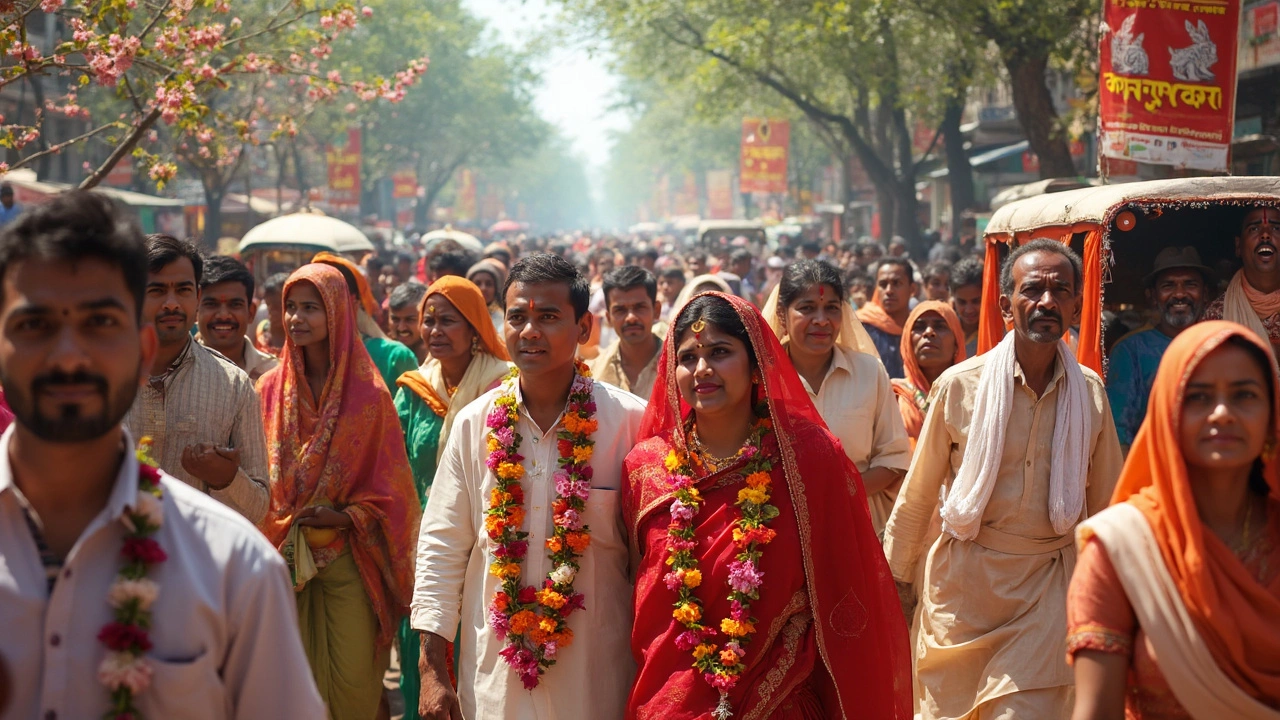
When you think of Bengali culture, the vibrant, poetic, and deeply spiritual way of life rooted in West Bengal and parts of Bangladesh. Also known as Bengali heritage, it blends ancient rituals with modern expression in ways few other cultures do. It’s not just about food or festivals—it’s a living tradition shaped by centuries of poetry, music, and quiet resistance. You’ll find it in the rhythm of Rabindranath Tagore’s verses, the drumbeats of Durga Puja, and the quiet hum of a sitar at dusk.
Bengali language, one of the most spoken languages in India, with its own script and rich literary history isn’t just a tool for communication—it’s the soul of identity. From the lyrical songs of Kazi Nazrul Islam to the everyday chatter in Kolkata markets, Bengali carries emotion in every syllable. And while Hindi and English are common in cities, Bengali remains the heartbeat of homes, schools, and street corners. This language doesn’t just describe culture—it *is* the culture.
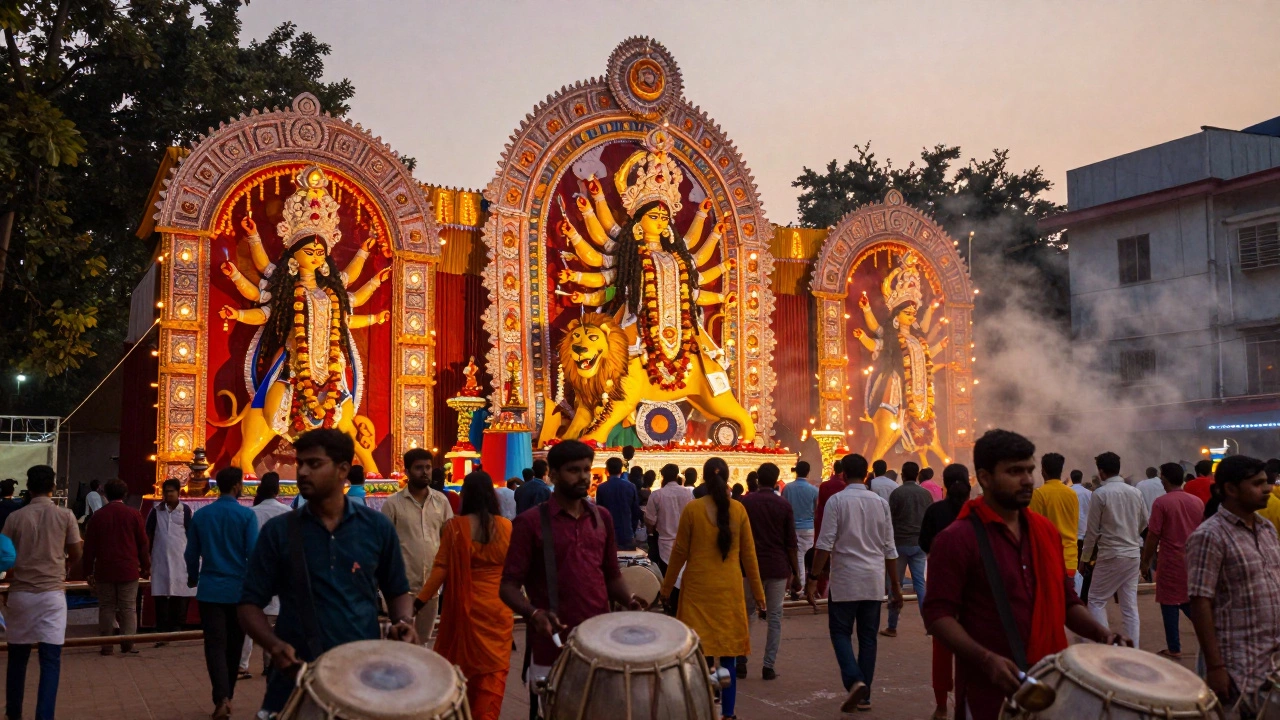
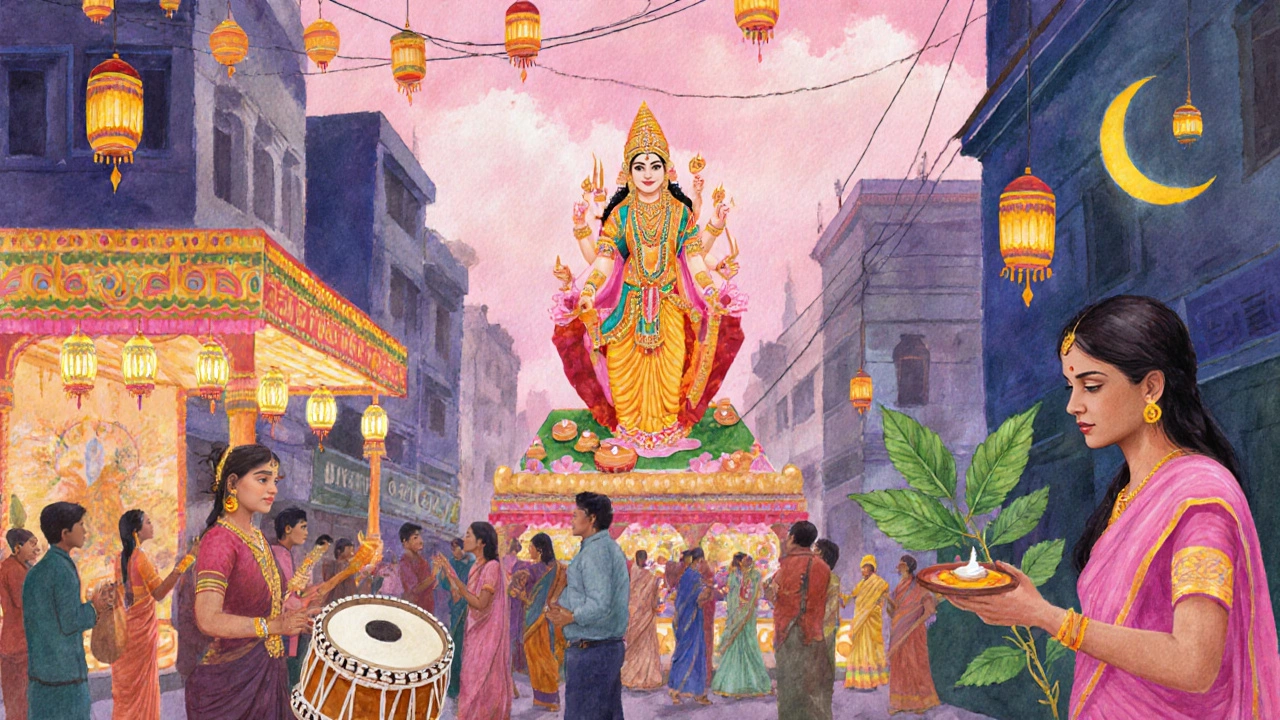
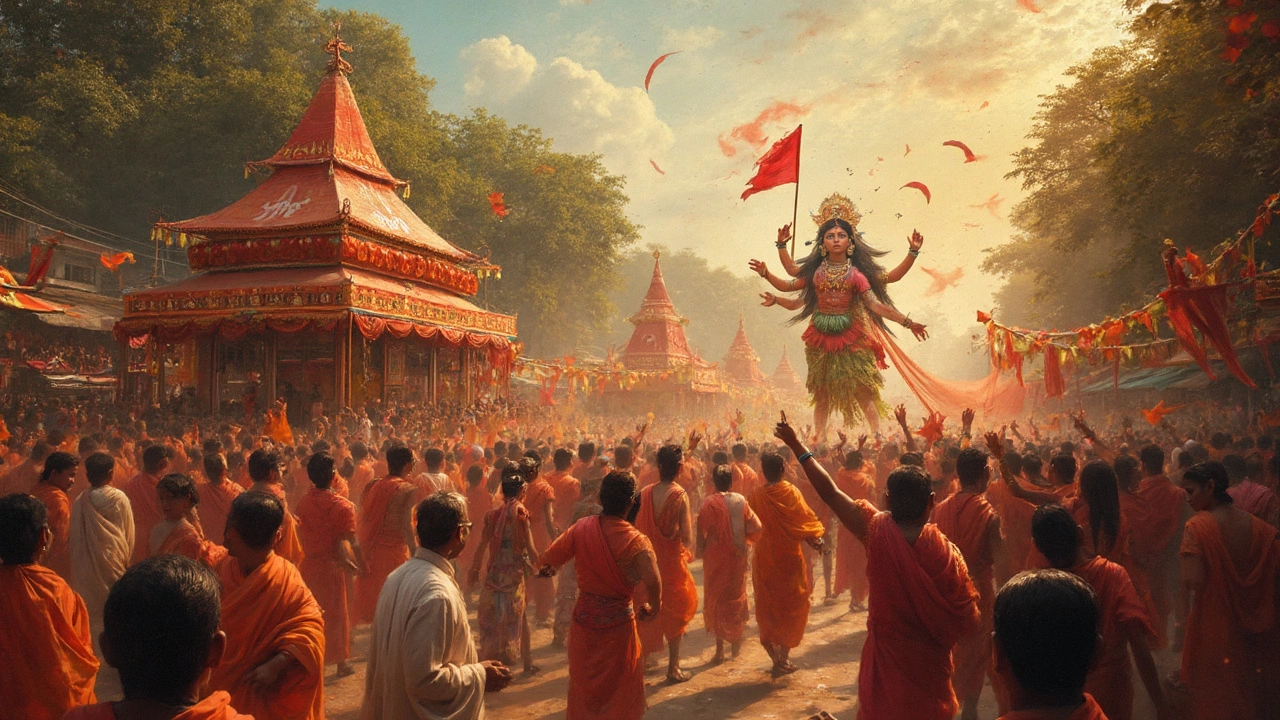
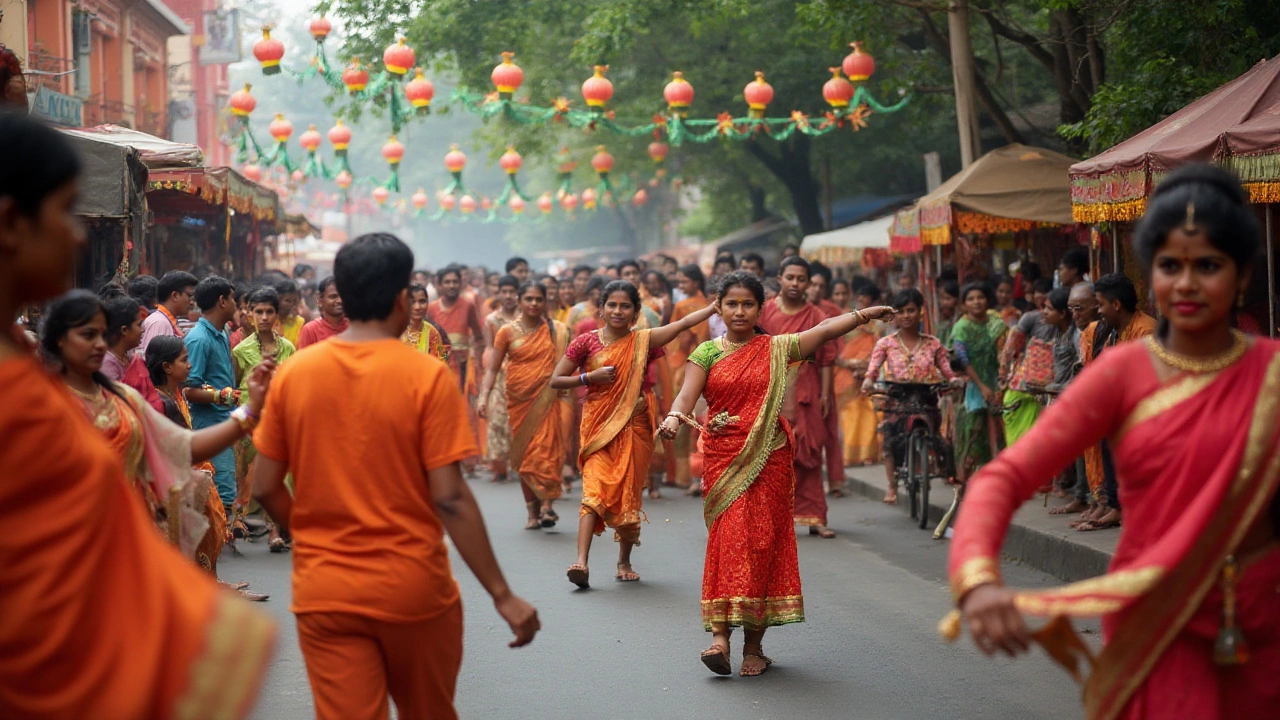
West Bengal festivals, especially Durga Puja, are world-famous for their scale, artistry, and community spirit. But there’s more: Saraswati Puja for students, Kali Puja at night, and Poila Boishakh—the Bengali New Year—marked with new clothes, sweet rice, and family gatherings. These aren’t just holidays; they’re emotional anchors that tie generations together. Even people who’ve moved away come back for them. The art of making clay idols, the sound of dhak drums, the smell of bhog prasad—it all adds up to something deeper than religion. It’s belonging.
And then there’s the music. Bengali music, from classical Rabindra Sangeet to folk Baul tunes and modern pop, moves through the air like breath. Baul singers, wandering mystics with one-stringed instruments, sing about love and loss in ways that feel ancient yet instantly personal. You don’t just listen—you feel it in your chest. Meanwhile, Bengali literature has given the world Nobel laureates and radical poets who challenged kings, colonialism, and social norms with nothing but ink and courage.
What you’ll find in the posts below isn’t a textbook. It’s real stories—about what people actually do, say, eat, and sing. You’ll learn why Kolkata’s language mix isn’t confusion but adaptation. You’ll see how Diwali is celebrated differently in Bengal than in the south. You’ll understand why a simple sweet like rosogolla carries so much history. These aren’t random articles. They’re pieces of a larger picture—one that shows Bengali culture isn’t frozen in time. It’s alive, changing, and still deeply loved.