Tamil Nadu Flavor Matcher
Not sure what to order? Select the flavor profile that appeals to you most, and we'll match you with the perfect region and signature dish!
Pungent & Bold
Love intense heat, black pepper, and complex spices.
Nutty & Gentle
Prefer creamy coconut textures and a more subdued heat.
Balanced & Sour
Enjoy the classic zip of tamarind and hearty lentil stews.
Fresh & Spicy
Craving the taste of the ocean combined with coastal spices.
Click a flavor profile above to find your perfect Tamil match!
The Core Philosophy of the Tamil Plate
At the heart of Tamil Nadu food culture is a deep-rooted connection to agriculture and the seasonal cycles of the land. The dietary habits are heavily influenced by the availability of rice, lentils, and coconuts. Most homes follow a pattern where the meal starts with something light and ends with something hearty, often centered around rice.
You'll notice that Rice isn't just a side dish-it's the canvas. Whether it's a simple curd rice to cool the body or a spicy variety rice for a festival, the grain is processed in various ways to suit the weather. The use of Tamarind is another defining trait; its sourness cuts through the richness of coconut and lentils, creating that signature tangy profile you find in a classic Sambar.
The Ritual of the Morning Breakfast
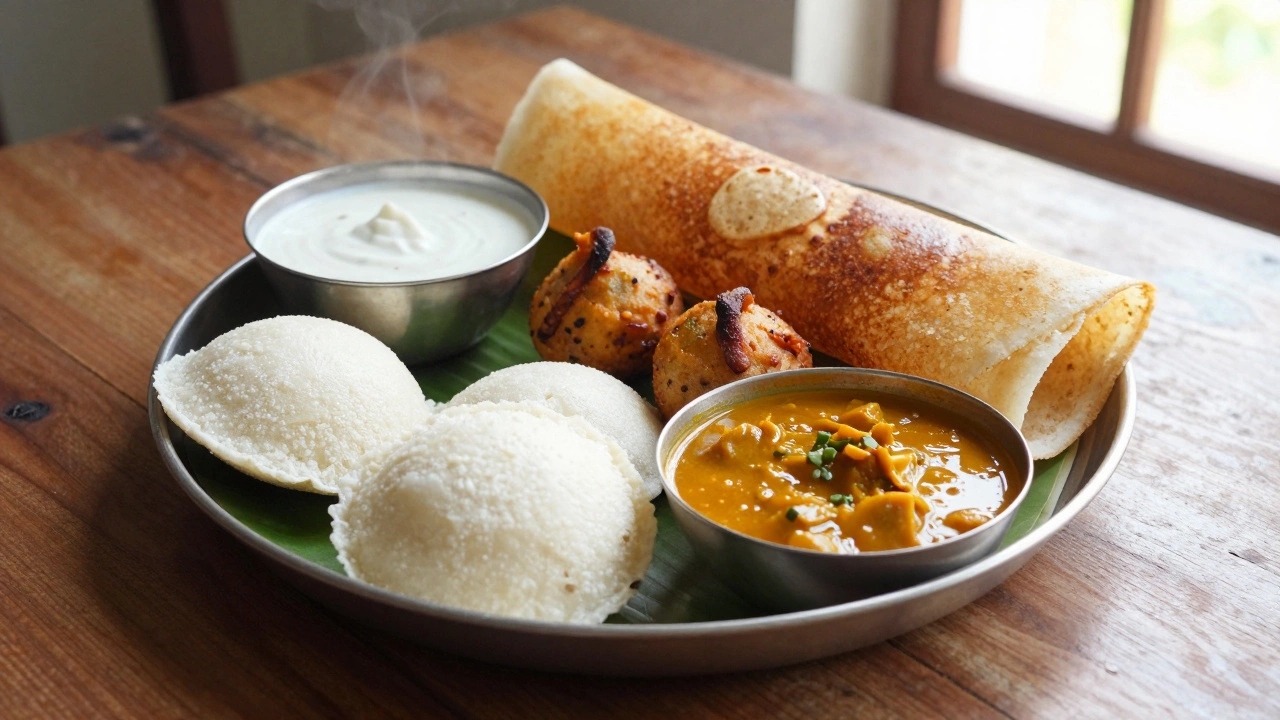
Breakfast in a Tamil household is almost a sacred ritual. You can't talk about the morning without mentioning the "Tiffin" culture. Tiffin refers to light meals, and in Tamil Nadu, this is where the world-famous fermented batters come into play.
- Idli: Steamed cakes made from a fermented batter of urad dal and rice. They are soft, fluffy, and easy on the gut.
- Dosa: Thin, crispy crepes. Whether it's a thick Uttapam or a paper-thin Masala Dosa, the fermentation process makes these nutritious and flavorful.
- Vada: Deep-fried savory donuts, usually made from lentils. The contrast of the crunchy exterior and soft interior is a favorite for many.
These are rarely eaten alone. They are paired with Coconut Chutney and Sambar (a lentil-based vegetable stew). Have you ever wondered why these are so common? The fermentation doesn't just add flavor; it breaks down the starches, making the nutrients more absorbable for the body, especially during a long day of work in the tropical heat.
Chettinad: The Bold Heart of Spice
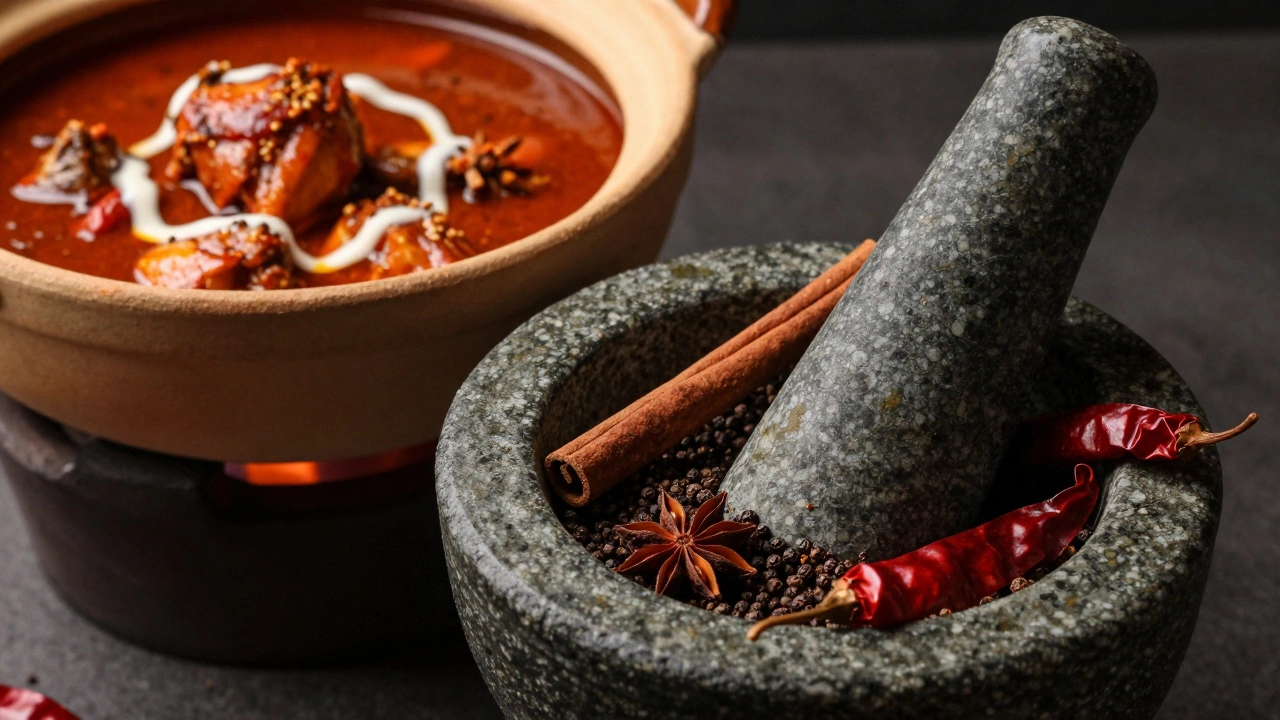
If the general Tamil diet is a gentle hum, Chettinad cuisine is a full-blown orchestra. Hailing from the Nattukottai Chettiars community, this style of cooking is legendary for its heat and complexity. Because the Chettiars were seafaring merchants, they brought back ingredients from across Southeast Asia, integrating black pepper, star anise, and cinnamon into their local dishes.
The secret to Chettinad food is the freshly roasted spice mix. They don't just use powder; they roast whole spices and grind them specifically for each dish. The Chettinad Chicken, for instance, is a powerhouse of flavor, using a heavy hand of black pepper and coconut milk to create a thick, aromatic gravy. It's a stark contrast to the milder flavors found in the northern parts of the state.
| Region | Dominant Flavor | Key Ingredient | Signature Dish |
|---|---|---|---|
| Chettinad | Fiery & Pungent | Black Pepper / Star Anise | Chicken Chettinad |
| Kongu Nadu | Mild & Nutty | Copra / Coconut | Kari Kuzhambu |
| Tanjore/Delta | Tangy & Balanced | Tamarind / Rice | Traditional Sambar |
| Coastal/Madurai | Salty & Spicy | Fresh Seafood | Meen Kuzhambu (Fish Curry) |
The Art of the Banana Leaf Meal
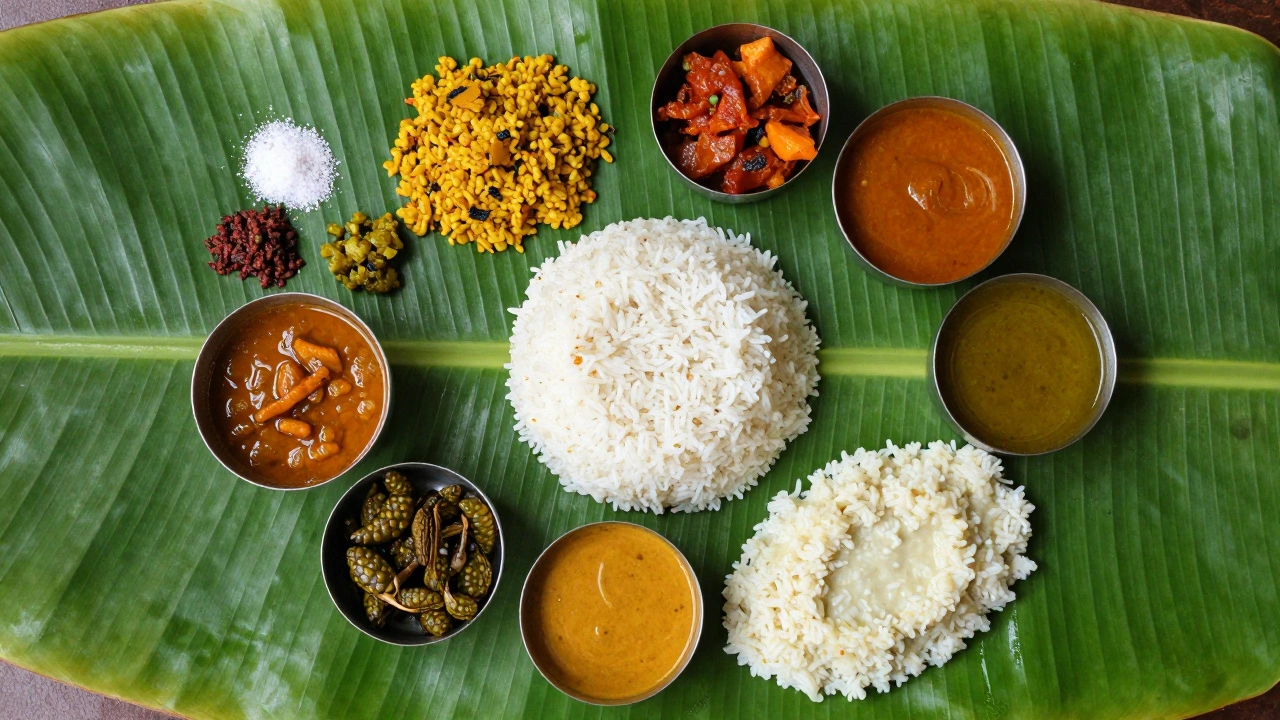
Eating a full meal on a Banana Leaf is the ultimate expression of Tamil dining. This isn't just for aesthetics; banana leaves are naturally waterproof, biodegradable, and it's believed that the heat of the food releases a subtle wax from the leaf that adds a unique flavor to the rice.
There is a specific order to how food is served. Salt, pickle, and a small portion of vegetable are placed on the top left. Then comes the main course: rice followed by different types of gravies. The meal usually progresses from a mild Paruppu (plain dal) to a tangy Sambar, and finally to a cooling Rasam (a peppery tamarind soup). Rasam is particularly prized for its digestive properties and is often the "cure-all" for a common cold.
The meal ends with Payasam, a sweet milk pudding, and a final serving of curd rice. Curd rice is essential; it settles the stomach and balances the spices consumed throughout the meal. If you're eating at a traditional home, you'll notice the server doesn't ask if you want more-they just keep adding, as refusing food is often seen as impolite.
Street Food and the Filter Coffee Culture
Beyond the home and the restaurant, the streets of cities like Chennai and Madurai are alive with flavor. You'll find vendors selling Kothu Parotta-a shredded, spicy flatbread mixed with eggs or meat and chopped on a hot griddle with a rhythmic metallic clanging sound that acts as an advertisement in itself.
But the real king of the street is Tamil Filter Coffee. Unlike instant coffee, this is made by brewing a strong decoction of coffee powder and water, then mixing it with hot, frothy milk and sugar. It's traditionally served in a Davarah and Tumbler (a small bowl and cup). The act of pouring the coffee from a height to create a thick layer of foam is an art form. For many Tamilians, the day doesn't truly start until the first sip of this aromatic, creamy brew.
Dietary Diversity: Vegetarianism and Non-Vegetarianism
Tamil Nadu has a fascinating split in dietary habits. The state is home to some of the most sophisticated vegetarian recipes in the world, deeply tied to the Saiva tradition. Here, vegetables like drumstick, ash gourd, and raw banana are transformed into delicacies using various tempering techniques (tadka).
On the other hand, the non-vegetarian tradition is equally strong, particularly in the southern districts. Meat is often cooked in a slow-simmering style with a lot of coconut, creating a rich, creamy texture. The use of seafood is prominent along the coast, where fish is fried with a coarse masala of red chilies and turmeric, then shallow-fried to perfection.
Common Pitfalls for Newcomers
If you're trying Tamil food for the first time, there are a few things to keep in mind. First, don't be fooled by the "mild" labels. A mild Chettinad curry can still be hotter than a spicy curry from other regions. Second, if you're eating on a banana leaf, remember to eat with your right hand. Using your left hand is generally avoided in traditional settings.
Another tip: don't skip the Rasam. While it looks like a thin soup, it's a concentrated burst of flavor and health. It's designed to be mixed with rice or sipped on its own. Lastly, embrace the curd rice. It might seem strange to end a meal with a salty yogurt dish, but it is the secret to enjoying the intensity of the other spices without feeling overwhelmed.
What makes Tamil Nadu food different from other South Indian cuisines?
While all South Indian cuisines use rice and coconut, Tamil Nadu food is characterized by a heavier use of tamarind for tanginess and a very specific style of spice roasting, especially in Chettinad cooking. The focus on a balanced six-taste profile and the traditional order of serving on a banana leaf are also very distinct to the Tamil region.
Is all Tamil food spicy?
Not at all. While Chettinad food is famous for its heat, many traditional meals are quite mild. Breakfast items like Idli and Dosa are neutral, and the use of coconut and curd helps balance out the spice in many dishes. It varies greatly by region and household.
What is the healthiest part of the Tamil diet?
The fermentation of batters for Idlis and Dosas provides a huge boost of probiotics, which is great for gut health. Additionally, the use of turmeric, black pepper in Rasam, and the inclusion of various lentils makes the diet nutritionally balanced and anti-inflammatory.
Why do they use a banana leaf for meals?
Banana leaves are used for several reasons: they are eco-friendly and biodegradable, they provide a clean surface, and the heat of the food reacts with the leaf's natural wax, adding a subtle, pleasant aroma to the meal.
What is the best way to drink Tamil Filter Coffee?
The authentic way is to use a Davarah and Tumbler. The coffee is poured back and forth between the cup and the bowl to create a thick froth and to bring the drink to the ideal temperature before sipping.