Durga Puja Festival Planner
Saptami Start
Ashtami
EnergyNayami
PeakDashami
ImmersionKali Puja
ReflectionSelect a Day
Choose from the timeline above
Click on any day card to reveal details about rituals, atmosphere, and food.
There is a moment in October when the air in Kolkata changes. It stops smelling like humidity and exhaust fumes and starts carrying the scent of *abir* (red powder), wet earth from idols, and frying *beguni* (eggplant fritters). For people from outside West Bengal is an Indian state known for its rich literary heritage, vibrant arts, and distinct cultural identity, this shift might seem subtle. But for a local, it signals that the city has transformed into an open-air museum and temple. You asked what the festival of West Bengal culture is. The short answer is Durga Puja is the most significant annual Hindu festival in West Bengal, celebrating the victory of Goddess Durga over the buffalo demon Mahishasura. It is not just a religious event; it is the definitive expression of Bengali identity, art, food, and community spirit.
The Core Identity: Why Durga Puja Defines Bengali Culture
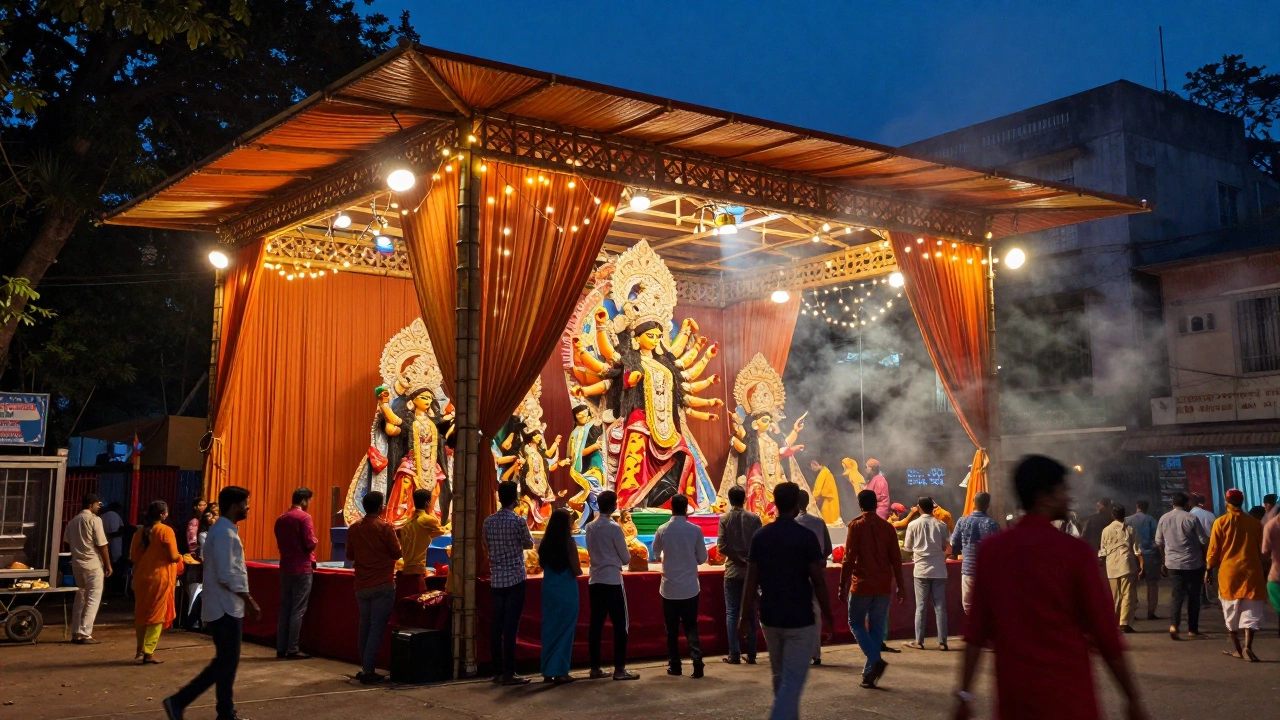
To understand why this specific festival holds such weight, you have to look at how it functions in society. Unlike many festivals that are confined to private homes or specific temples, Durga Puja spills out onto the streets. Every neighborhood, no matter how small or wealthy, builds a temporary structure called a Pandal is a temporary tent-like structure built specifically for hosting Durga Puja celebrations. These structures range from simple bamboo frames draped in cloth to elaborate architectural marvels mimicking European cathedrals, futuristic spaceships, or traditional village huts.
This public nature makes it a true cultural equalizer. In a society often divided by class and caste, everyone walks through the same pandals. A CEO and a rickshaw puller stand side-by-side offering flowers to the clay idol of the goddess. This shared experience creates a unique social cohesion that defines the region. It is less about strict ritual adherence for many attendees and more about participation in a collective celebration of life, art, and resilience.
The Five Days of Celebration: A Step-by-Step Guide
If you are planning to witness this spectacle, timing is everything. The main festivities last for five days, each with a specific purpose and atmosphere. Knowing what happens when helps you navigate the crowds and understand the rituals.
- Saptami (Day 1): Bhoma Puja and Sandhi Puja
The festival begins quietly. Early in the morning, priests perform Bhoma Puja is a ritual worship of the earth deity performed before installing the Durga idol to seek permission from the earth to carve the clay idols. Later that evening, Sandhi Puja is the crucial ritual performed at the junction of two lunar tithis, marking the climax of the first day takes place. This is the most sacred moment, where devotees believe all nine forms of the divine feminine merge into one. The mood is solemn and spiritual. - Ashtami (Day 2): Kumari Puja and Shomprodan
The energy shifts. On this day, young girls are worshipped as living embodiments of the goddess in Kumari Puja is a ritual honoring pre-pubescent girls as manifestations of Goddess Durga. Evening brings Shomprodan is a ritual offering of vegetables and fruits to the goddess, symbolizing gratitude for harvest, where baskets of fresh produce are presented. This is also when the famous Maha Aarti (grand prayer) begins, drawing massive crowds. - Nayami (Day 3): The Peak of Devotion
This is the busiest day. The streets are packed. People visit multiple pandals, a practice known as pandal hopping. The focus is on artistic appreciation as much as devotion. You will see intricate stage designs, lighting effects, and thematic decorations here. The night is filled with music, dance, and the rhythmic chanting of mantras. - Dashami (Day 4): Visarjan (Immersion)
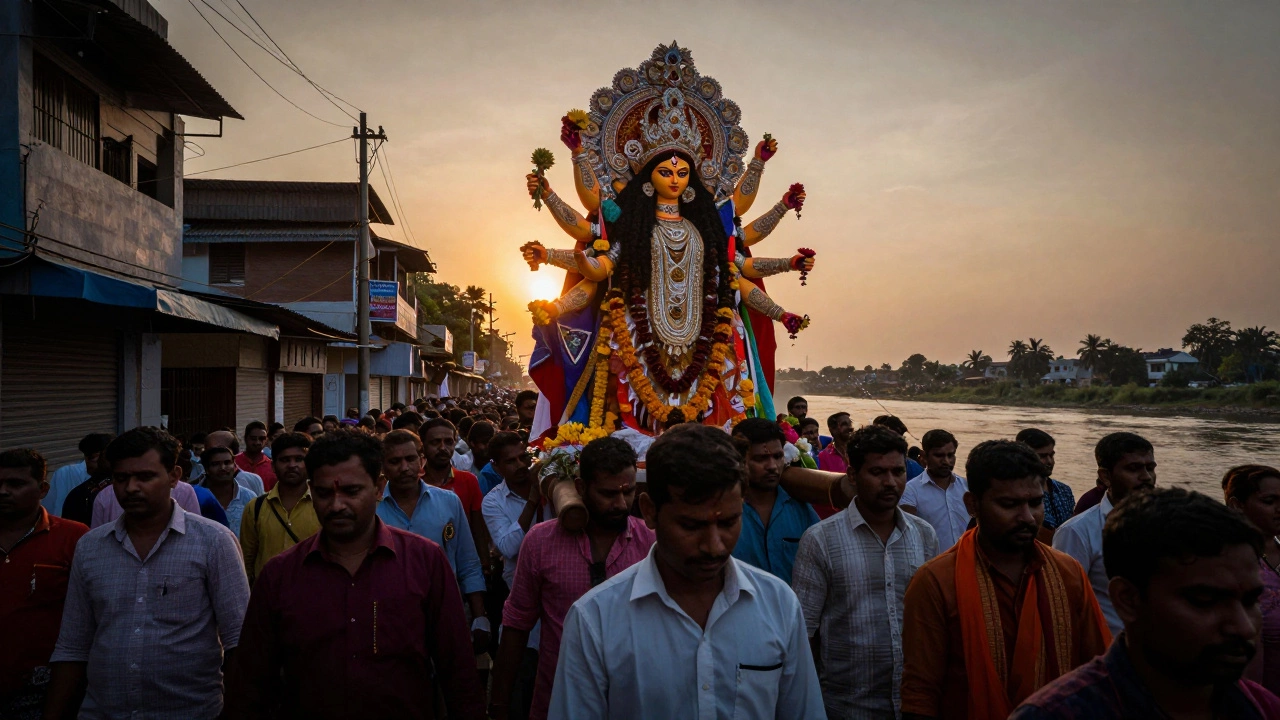
The emotional high point. After final prayers, the idols are carried in grand processions to nearby rivers or ponds for immersion. This act, called Visarjan is the ceremonial immersion of Durga idols in water bodies, symbolizing the goddess's return to her husband Shiva, marks the end of the festival. Crowds chant "Bohaglobo Ma" (Mother has returned). It is a tearful yet joyous farewell. - Kali Puja (Day 5): Post-Festival Reflection
While technically a separate festival coinciding with Diwali, Kali Puja serves as a quiet conclusion to the Durga Puja season. Homes are lit with oil lamps, and families gather for meals. It’s a time for reflection after the chaos of the previous days.
The Art of Pandal Making: From Bamboo to Masterpieces
You cannot talk about Durga Puja without talking about the architecture. The Pandal is the canvas. Historically, these were simple tents made of bamboo and tarpaulin. Today, they are engineering feats. Artists use bamboo, wood, cardboard, paper-mache, and even recycled plastic to create immersive environments.
In recent years, themes have become increasingly political and environmental. One year, a prominent club might build a replica of a war-torn city to highlight peace. Another might construct a giant tree to emphasize sustainability. The competition among clubs-groups of neighbors who fund and organize their local puja-is fierce. Winning awards for best theme or best idol design is a source of immense local pride. This transformation turned a religious ritual into a platform for contemporary art and social commentary.
The Food Factor: More Than Just Ritual Offerings
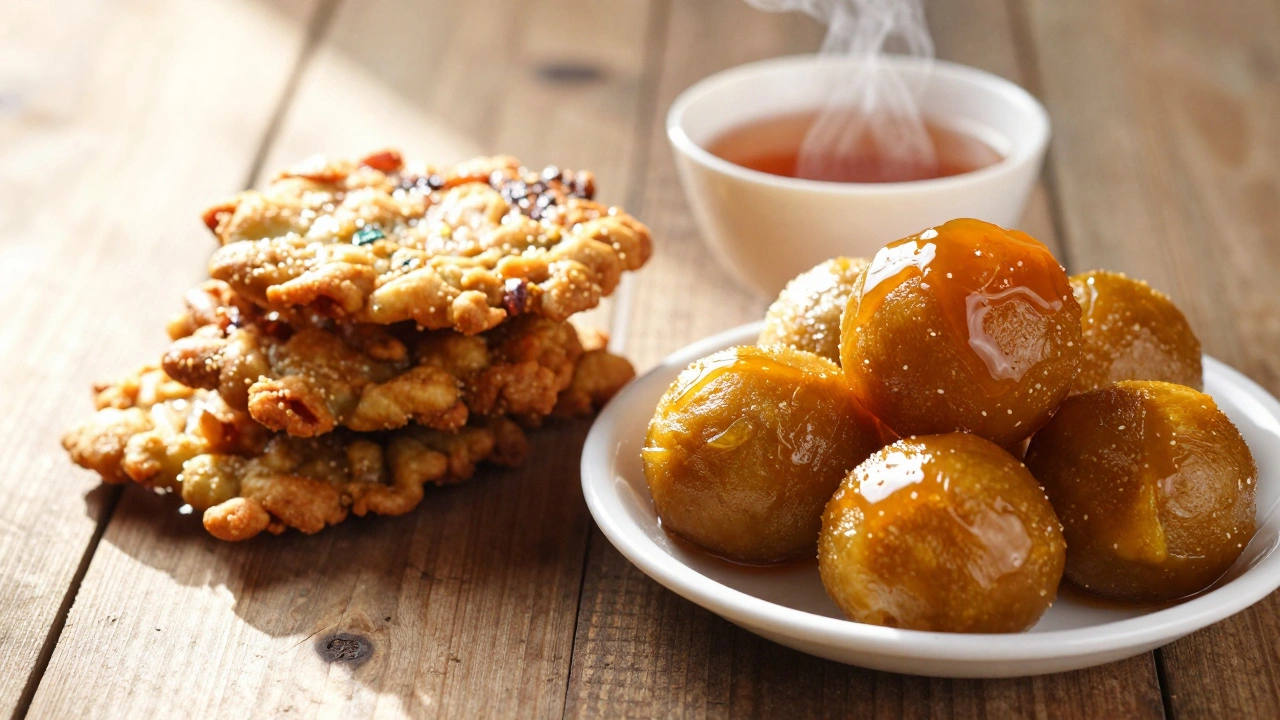
Culture is incomplete without food, and Durga Puja is a gastronomic explosion. During the festival, restaurants across Kolkata stay open late, serving special menus. But the real magic lies in the street food and homemade delicacies shared among friends and family.
- Bhog: The food offered to the goddess is considered blessed. It usually includes rice, lentils, and vegetables prepared without onion or garlic. Devotees eagerly consume this bhog after the morning prayers.
- Beguni and Churmuri: Sliced eggplant dipped in spiced gram flour batter and deep-fried until crispy. These are the quintessential snack of the season.
- Rosogolla and Sandesh: Sweet treats made from chenna (fresh cheese) and sugar syrup. No Bengali household celebrates without making dozens of these sweets to gift relatives.
- Luchi-Alu Dum: Fluffy fried bread served with spicy potato curry. This is the standard lunch menu for almost every family during the five days.
Food acts as a social lubricant. Inviting someone for bhog or a meal is a gesture of friendship and respect. It breaks down barriers and reinforces community bonds.
Fashion and Social Dynamics: The New Traditions
Tradition meets modernity in the way people dress. For women, the Saree is a traditional garment worn by women in South Asia, consisting of a long piece of fabric draped around the body is non-negotiable. Specifically, the Tant saree (handloom cotton) or silk sarees in bright colors are preferred. Men typically wear kurta-pajamas or formal shirts and trousers. However, in recent decades, Western fashion has crept in, especially among younger crowds visiting trendy pandals in upscale areas like Ballygunge or Lake Town.
The concept of pandal hopping has evolved into a social media-driven activity. Young people spend hours walking between different venues, taking photos, and sharing them online. This has changed the demographic of the festival. It is no longer just for the devout elderly; it is a youth-centric cultural event. Clubs now hire influencers to promote their themes, blending ancient mythology with digital marketing.
Historical Context: How It Became What It Is
Understanding the history helps explain the scale. Originally, Durga Puja was celebrated only in royal palaces and aristocratic homes. It was exclusive. The turning point came in the early 20th century, particularly during the nationalist movement against British rule. Intellectuals and leaders realized that bringing the festival to the streets could unite people across class lines.
Clubs began forming to organize public pujas. This democratization of the festival allowed the common person to participate. Over time, it absorbed elements of Bengali nationalism, becoming a symbol of resistance and identity. Today, it is recognized by UNESCO as an Intangible Cultural Heritage of Humanity, acknowledging its global significance beyond India.
Comparison: Durga Puja vs. Other Major Indian Festivals
| Feature | Durga Puja (West Bengal) | Diwali (Pan-India) | Holi (North India) |
|---|---|---|---|
| Primary Focus | Victory of good over evil (Goddess Durga) | Return of Rama / Wealth & Light | Arrival of Spring / Love |
| Duration | 5 main days + prep/cleanup | 5 days | 1-2 days |
| Public Participation | High (Street pandals, processions) | Medium (Home decorations, fireworks) | High (Public color throwing) |
| Artistic Expression | Idol sculpting, Pandal architecture | Rangoli (floor art), Lighting | Color play, Music |
| Key Food Items | Beguni, Rosogolla, Bhog | Laddoo, Barfi, Savories | Thandai, Gujiya |
Practical Tips for Visitors
If you plan to visit West Bengal during this time, keep these points in mind. First, book accommodation weeks in advance. Hotels fill up quickly, and prices surge. Second, wear comfortable shoes. You will be walking miles on concrete and uneven ground while hopping between pandals. Third, respect the rituals. While the atmosphere is festive, it is still a religious event. Avoid loud behavior inside the sanctums of the pandals. Finally, try the local food. It is safe, delicious, and an essential part of the experience.
When exactly does Durga Puja take place?
The dates change every year based on the lunar calendar. It usually falls in September or October. The main five days start on the seventh day of the bright half of the Ashvin month. For 2026, check the local Bengali calendar for exact dates, but expect mid-October.
Is Durga Puja only for Hindus?
No. While it is a Hindu festival, it is widely celebrated by people of all religions in West Bengal. Many Muslims, Christians, and Buddhists participate in the cultural aspects, such as visiting pandals, eating festive food, and enjoying the music. It is seen as a cultural heritage of the region rather than just a religious obligation.
What is the significance of immersing the idol?
The immersion, or Visarjan, symbolizes the goddess Durga returning to her celestial abode with her husband Lord Shiva. It represents the cycle of creation and dissolution. Environmentally conscious groups now use eco-friendly clay and natural colors to minimize pollution in water bodies.
Can tourists visit any pandal?
Yes, absolutely. Most pandals are open to the public free of charge. Some exclusive club pandals may require membership or a small entry fee, but there are hundreds of public pandals across Kolkata and other cities like Siliguri and Asansol that welcome everyone.
Why is Kolkata so crowded during this time?
Kolkata transforms into a pilgrimage site for millions. Locals from suburbs flood the city center, and visitors from other parts of India and abroad come to witness the spectacle. Traffic comes to a near standstill, especially on Dashami (the last day) during the immersion processions.