
India Divorce Rate 2025: Current Stats, Causes & Regional Trends
Explore India's latest divorce rate, see how it varies by state, understand the legal backdrop and the social factors driving change.
When we talk about Economics and Development, the study of how resources are produced, distributed, and consumed to improve living standards. Also known as economic progress, it’s not just about GDP numbers—it’s about whether families in Madurai can afford healthcare, if farmers in Coimbatore see rising incomes, and if young people in Tiruchirappalli find jobs that match their skills. In Tamil society, this isn’t a distant theory. It’s the daily reality shaping migration, education choices, and even marriage decisions.
One major factor influencing this is regional income disparity, the gap in earnings and living conditions between different areas within the same state or country. Compare Tamil Nadu’s urban hubs like Chennai and Coimbatore with rural districts like Dharmapuri or Tenkasi. One has tech parks and rising salaries; the other still depends on monsoon rains and small-scale farming. This isn’t unique to Tamil Nadu—it’s mirrored in the stark contrast between Indian Punjab, a state with high agricultural output and better infrastructure. and its Pakistani neighbor, where economic decline has slowed progress despite similar roots. These comparisons aren’t just academic—they show how policy, history, and access to markets decide who thrives and who struggles.
Another layer is how social changes affect the economy. Rising divorce rates across India, including Tamil Nadu, aren’t just about personal choices. They reflect shifting gender roles, increased financial independence for women, and the cost of maintaining marriages in a high-pressure economy. When a woman can support herself, she doesn’t stay in a bad marriage just for security. That’s economic development in action—quiet, personal, and powerful.
Development isn’t only about money. It’s about access to clean water, reliable electricity, and digital tools that let small businesses reach customers beyond their village. In Tamil society, you see this in the growth of local cooperatives, women-led micro-enterprises, and youth using social media to sell handloom products. But you also see the flip side: brain drain, where skilled workers leave for cities or abroad because opportunities at home don’t keep up.
What’s clear is that Economics and Development in Tamil Nadu isn’t a single story. It’s a mix of progress and pressure, tradition and change. The posts below dig into real data—like how divorce trends tie to financial autonomy, or why one Punjab outpaces the other. You’ll see how income, education, and policy decisions shape lives, not just balance sheets. These aren’t abstract reports. They’re snapshots of real people trying to build better futures.
Explore India's latest divorce rate, see how it varies by state, understand the legal backdrop and the social factors driving change.
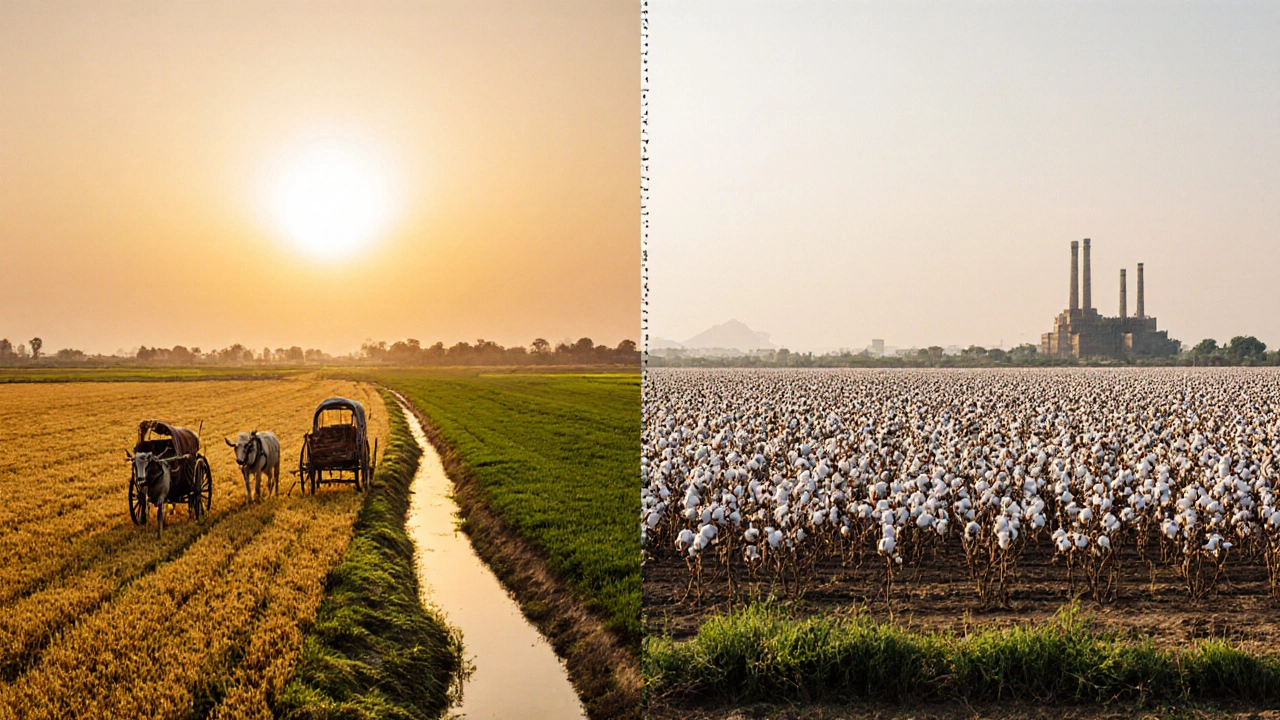
Compare Indian and Pakistani Punjab using GDP, per capita income, HDI and key sectors to see which region is richer and why.