India Cultural Matchmaker
India is not a monolith. Discover which part of this diverse nation aligns with your travel style.
You might think there’s a single answer to Indian culture being "the most popular," but that’s like asking which color is the best. It doesn’t exist as one monolith. India is a continent masquerading as a country, with 28 states and 8 union territories, each speaking different languages, eating different foods, and celebrating distinct traditions. If you’re planning a trip or just curious about what draws millions of visitors here every year, you need to understand that "popularity" depends entirely on what you value: spiritual depth, artistic heritage, culinary adventure, or cinematic glamour.
The Global Face: Bollywood and Pop Culture
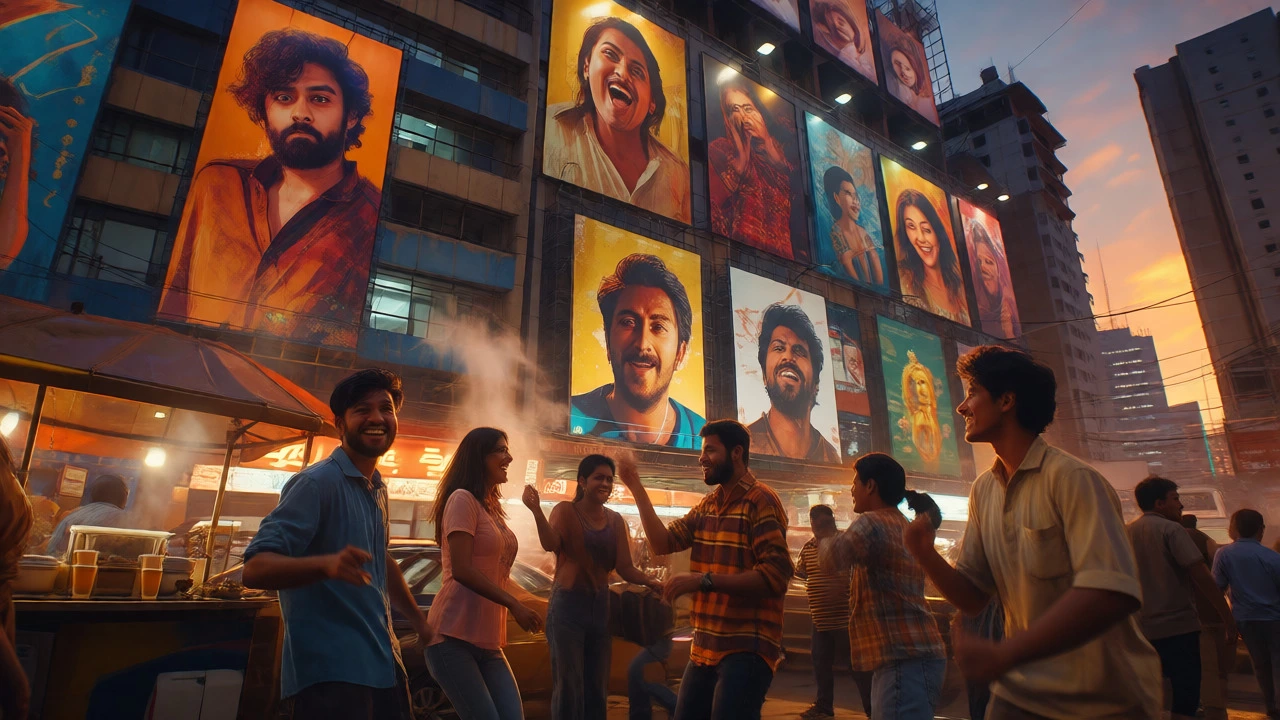
Ask anyone outside India what they know about this place, and 90% will say Bollywood. It is not just an industry; it is a cultural export engine that rivals Hollywood in reach, though its style is wildly different. Based in Mumbai, Bollywood produces more films annually than any other film industry in the world. But why does it matter for your understanding of Indian culture?
Bollywood shapes how Indians see themselves and how the world sees them. The dance sequences, the melodrama, the family values woven into plotlines-these aren't just entertainment. They reflect social norms, aspirations, and conflicts. When a movie like RRR wins global awards, it brings attention to South Indian cinema too, blurring the line between "Hindi" and "Indian" pop culture. For travelers, visiting Mumbai isn't just about skyscrapers; it's about walking the streets where these stories are made. You’ll hear dialogue snippets in daily conversation, mimic dance moves at weddings, and see posters covering entire buildings. This is the loud, colorful, emotional heartbeat of modern urban India.
Spiritual Depth: Hinduism and Yoga
If Bollywood is the face, spirituality is the soul. Hinduism is the world’s oldest major religion still practiced today, and it forms the backbone of daily life for nearly 80% of Indians. But calling it a religion undersells it. It’s a way of life involving rituals, yoga, meditation, and a complex pantheon of deities.
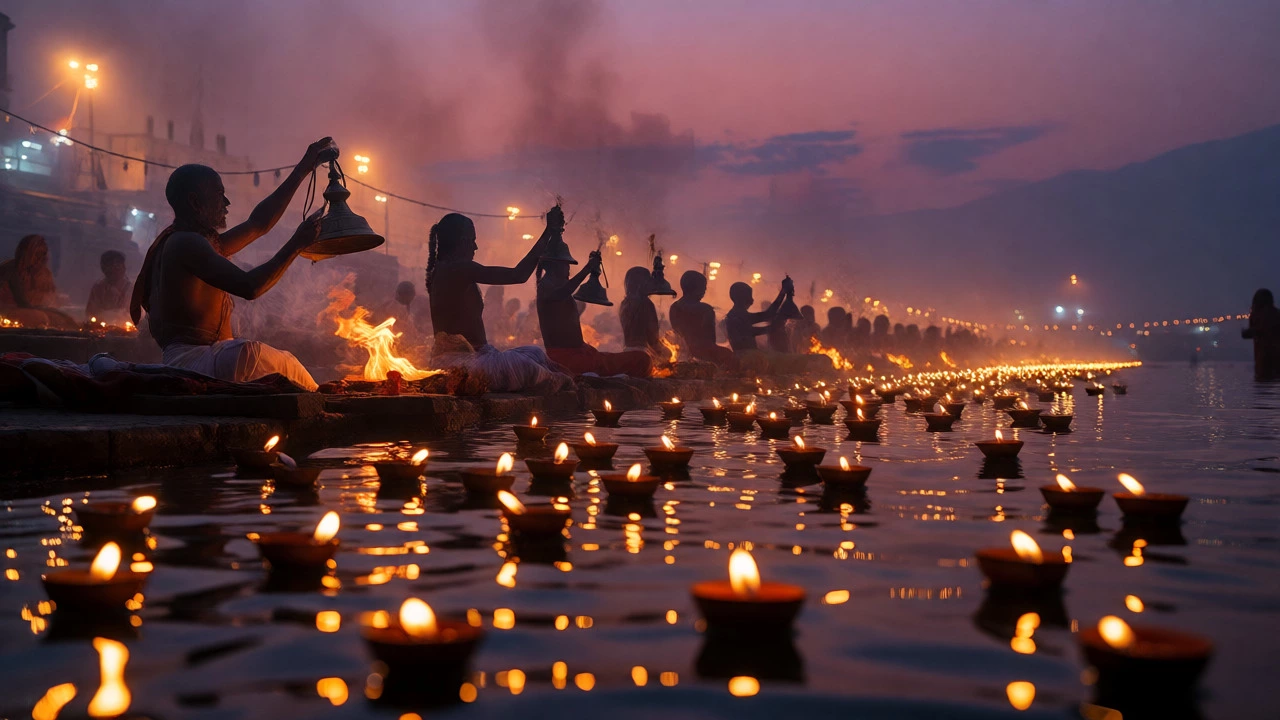
Yoga, originally a spiritual discipline from ancient texts like the Yoga Sutras of Patanjali, has become a global wellness phenomenon. In India, however, it remains deeply tied to temples and ashrams. Rishikesh, known as the "Yoga Capital of the World," attracts thousands who want to learn authentic practices directly from gurus. Similarly, Varanasi offers a glimpse into rituals that have continued unchanged for centuries. Watching the Ganga Aarti (prayer ceremony) at dusk isn't just a tourist activity; it’s a sensory immersion into faith. The smell of incense, the sound of bells, the floating lamps-it’s visceral. This aspect of culture appeals to those seeking meaning beyond material success.
Culinary Diversity: More Than Just Curry
Let’s bust a myth: there is no such thing as "curry" in traditional Indian cooking. That’s a British colonial simplification. Real Indian cuisine varies drastically by region. North Indian food relies heavily on wheat, dairy, and tandoor ovens. Think butter chicken, naan bread, and rich gravies. South Indian food centers on rice, lentils, and coconut. Dosas, idlis, and sambar are staples there, often served on banana leaves.
Then there’s street food. From chaat in Delhi to vada pav in Mumbai, street vendors offer affordable, explosive flavors. Food is central to hospitality. Refusing food offered by an Indian host can be seen as rude. The concept of Atithi Devo Bhava (the guest is god) means meals are elaborate affairs. If you’re a foodie, you’ll find that exploring local markets is the fastest way to understand regional identities. Each spice blend tells a story of trade routes, climate, and history.
Festivals: The Calendar of Color
India celebrates more festivals than any other nation. These aren't just holidays; they are massive public expressions of joy. Diwali, the Festival of Lights, is arguably the most recognized globally. Homes are lit with oil lamps, fireworks fill the sky, and families exchange sweets. It symbolizes the victory of light over darkness.
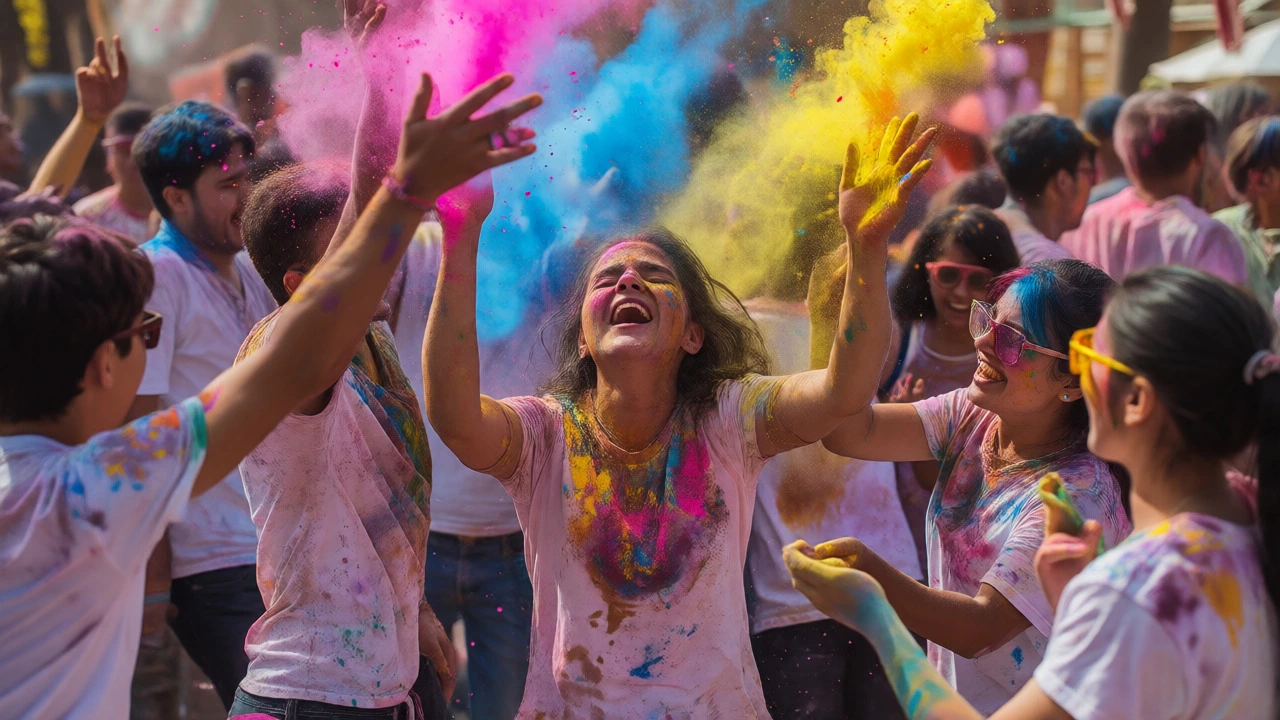
But don’t overlook Holi, the Festival of Colors. Throwing colored powder at strangers creates instant community bonds. Or Durga Puja in West Bengal, which transforms Kolkata into an open-air art gallery with intricate pandals (temporary structures). Festivals reveal the social fabric. They show how communities come together, how gender roles shift temporarily, and how tradition adapts to modernity. For tourists, timing your visit around these events guarantees unforgettable experiences, though expect crowds and higher prices.
| Cultural Aspect | Primary Region | Global Appeal Factor | Best Experience For |
|---|---|---|---|
| Bollywood | Mumbai (National) | High (Entertainment) | Urban explorers, film fans |
| Hindu Spirituality | Varanasi, Rishikesh | Medium (Wellness/Spiritual) | Seekers, photographers |
| South Indian Tradition | Kerala, Tamil Nadu | Medium (Heritage) | History buffs, nature lovers |
| Street Food | All Urban Centers | High (Culinary) | Foodies, budget travelers |
Regional Nuances: North vs. South
Generalizations break down quickly when you cross state lines. Northern India, including Punjab and Rajasthan, is often associated with robust architecture, folk dances like Bhangra, and hearty, creamy dishes. Southern India, particularly Kerala and Tamil Nadu, features Dravidian temple architecture, classical music (Carnatic), and lighter, rice-based meals. Western India, like Gujarat, is known for vibrant textiles and vegetarian thalis. Eastern India, especially Bengal, boasts a rich literary tradition and intellectual heritage.
This diversity means you can’t "do" India in one trip. Trying to cover everything leads to burnout. Pick a lane. Are you interested in Mughal history? Go north. Fascinated by backwaters and Ayurveda? Head south. Love tribal arts and wildlife? Central India awaits. Recognizing these distinctions prevents disappointment and enriches your travel narrative.
Why This Matters for Cultural Tourism
Cultural tourism in India is booming because people crave authenticity. Mass-produced experiences feel hollow. Visitors want to participate, not just observe. Learning to cook a regional dish, attending a local wedding, or staying in a heritage homestay provides deeper connection. The government has pushed initiatives like "Incredible India" campaigns highlighting specific regions rather than generic stereotypes.
Moreover, digital connectivity has changed how culture is consumed. Young Indians share their traditions on Instagram and YouTube, creating new narratives. Traditional crafts like handloom weaving are seeing a revival thanks to online marketplaces. This fusion of old and new makes contemporary Indian culture dynamic and evolving, not stuck in museums.
Is Hindi the only language spoken in India?
No. While Hindi is widely spoken in the north and used officially alongside English, India has 22 scheduled languages. Many states have their own official languages, such as Tamil, Telugu, Bengali, and Marathi. English is commonly used in business and tourism, especially in cities.
Which city is best for experiencing Indian culture?
It depends on your interest. Delhi offers historical monuments and Mughal heritage. Mumbai showcases modern urban culture and Bollywood. Jaipur displays Rajasthani royal traditions. Varanasi provides deep spiritual insights. No single city represents all of India.
Do all Indians eat spicy food?
Not necessarily. Spiciness varies by region and personal preference. Some cuisines, like Gujarati or Kashmiri, use mild spices or focus on sweetness and aroma rather than heat. Street food tends to be spicier, while home-cooked meals can be adjusted to taste.
What is the significance of Diwali?
Diwali celebrates the victory of light over darkness and good over evil. It involves lighting oil lamps, bursting firecrackers, exchanging gifts, and praying for prosperity. It is celebrated by Hindus, Jains, Sikhs, and some Buddhists, making it a broadly inclusive festival.
Is Bollywood representative of all Indian culture?
Bollywood is a significant part of pop culture but doesn't represent regional traditions fully. South Indian industries like Tollywood (Telugu) and Kollywood (Tamil) have massive followings and distinct cultural influences. Bollywood often blends various elements for mass appeal.