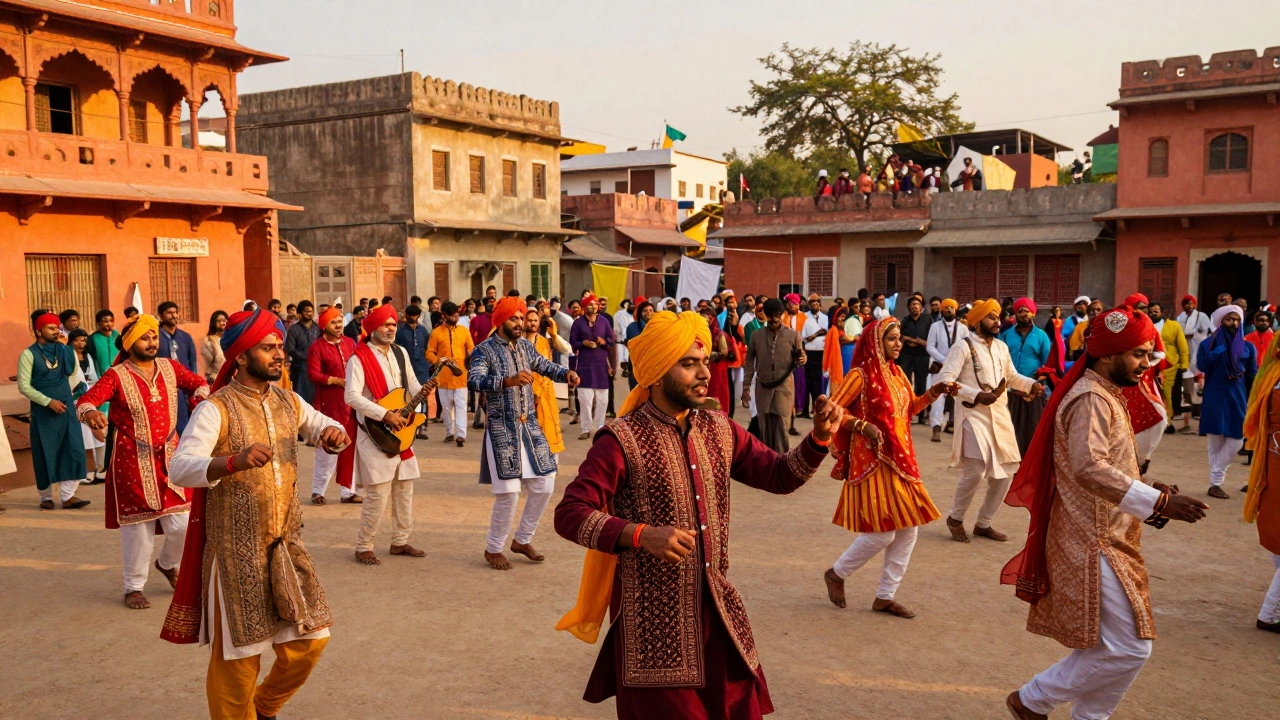
Indian Folk Music Explorer
Punjab
High-energy Bhangra rhythms
Rajasthan
Spiritual Sufi ballads
Bengal
Mystic Baul chants
Tamil Nadu
Narrative Villu Pattu
Region Name
TaglineCultural Context
Description goes here.
Key Song / Tradition
Song Name
Details about the song or artist.
Vibe Check
Best For
There is no single answer to the question "What is India's No 1 song?". If you are looking for a chart-topping pop hit, the answer changes every week based on Spotify or YouTube trends. But if you mean the soul of the country-the song that unites millions across states, languages, and generations-you have to look at folk music. India does not have one national anthem of culture; it has dozens, each tied to a specific region, festival, or community.
Finding the "No. 1" folk song is like trying to find the most important ingredient in a curry. It depends entirely on where you are standing. In Punjab, it might be a high-energy Bhangra track. In Rajasthan, it could be a slow, haunting Sufi ballad. In Bengal, it might be a rhythmic Baul chant. This guide breaks down why there is no single winner, which songs come closest to that title, and how you can discover the real heartbeat of Indian music.
Why There Is No Single "No. 1" Song in India
India is not just a country; it is a continent with 28 states and 8 union territories. Each region has its own language, script, history, and musical tradition. The concept of a "national" folk song doesn't really exist because folk music is inherently local. It grows out of the soil, the weather, and the daily struggles of the people in that specific area.
Even within a state, diversity exists. Take Maharashtra. You have Lavani, which is energetic and dance-oriented, and Abanga, which is more spiritual and narrative. Both are folk, but they appeal to different audiences and occasions. To pick one as "No. 1" would ignore the richness of the other.
The Contenders: Regional Giants That Come Close
If we judge by cultural impact, recognition outside the region, and longevity, a few songs stand out. These tracks have transcended their local roots to become symbols of Indian identity globally.
Punjab: "Chak De Phatte" and the Bhangra Spirit
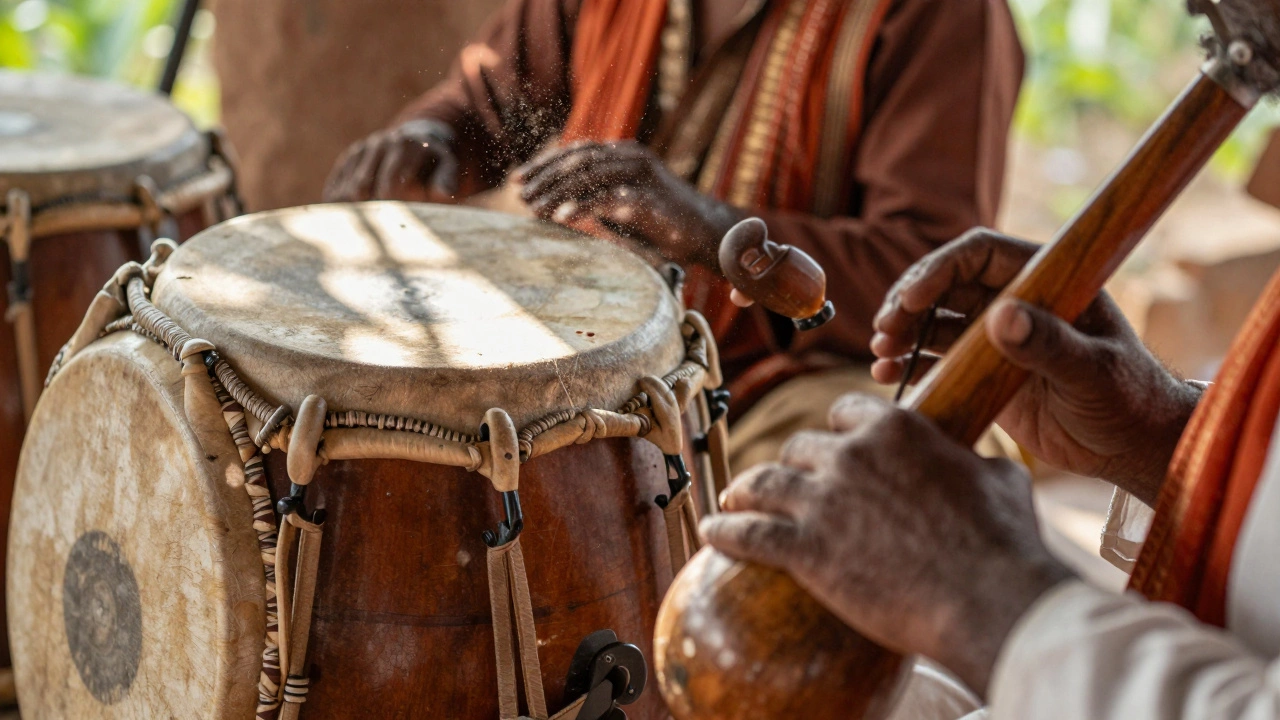
In Punjab, folk music is synonymous with energy. Bhangra is a traditional folk dance from Punjab accompanied by upbeat music played on the dhol drum. While there isn't one single "No. 1" song, the rhythm of Bhangra is instantly recognizable worldwide. Songs like "Chak De Phatte" (often associated with the film *Bhaag Milkha Bhaag*) or classic tracks by Gurmeet Singh have become anthems of celebration. They are played at weddings, sports events, and festivals across the globe, especially in the UK and Canada where Punjabi diaspora communities thrive.
Rajasthan: "Hare Ram Hare Ram" and Sufi Devotion
Rajasthani folk music is deeply spiritual. One of the most famous songs is Hare Ram Hare Ram is a devotional song popularized by Lata Mangeshkar and often associated with Rajasthani folk traditions. Originally a folk chant, it gained massive popularity through cinema. However, pure folk tracks like those sung by Sarod Ji is a legendary Rajasthani folk singer known for his powerful voice and emotional depth hold immense respect. His songs about love, loss, and rural life resonate deeply with locals and are considered classics.
Bengal: Baul Songs and the Search for the Divine
In West Bengal, the Baul is a tradition of mystic minstrels who sing about spiritual truth and the unity of all religions tradition is unique. Baul songs are not just entertainment; they are philosophical inquiries. Lal Shankar Shukla and Pannalal Barman are iconic figures. Their songs, such as "Amay Kothay Naachabe," are revered for their poetic depth. While they may not top global charts, they are the spiritual No. 1 in Bengal.
Tamil Nadu: Villu Pattu and War Chants
Villu Pattu is a traditional Tamil folk art form involving storytelling through song, accompanied by a bow-shaped instrument called the villu is a powerful narrative tradition. Songs celebrating heroes like Thiruvikraman or social reformers like Periyar E.V. Ramasamy are still sung today. These songs serve as historical records and moral guides, making them culturally indispensable.
Folk vs. Bollywood: The Blurred Lines
Many people confuse Bollywood hits with folk songs. Bollywood frequently samples folk melodies to create catchy tunes. For example, the song "Jai Ho" from *Slumdog Millionaire* uses elements of Indian classical and folk rhythms, but it is a composed film song, not a traditional folk track.
However, some Bollywood songs have become so embedded in popular culture that they feel like folk anthems. "Lungi Dance" from *Singh Is Kinng* uses Bhangra beats and became a global party staple. Similarly, "Nagada Sang Dhol" from *Goliyon Ki Raasleela Ram-Leela* incorporates Rajasthani folk instruments and styles. These songs bridge the gap between urban pop and rural tradition, but they remain distinct from authentic folk music, which evolves organically over centuries rather than being written by a composer for a movie.
How to Find the "No. 1" Song for Your Context
Since there is no universal winner, here is how you can identify the most relevant "No. 1" song based on your needs:
- For Cultural Events: Choose a song from the region of origin. If hosting a Punjabi wedding, Bhangra tracks are essential. For a Bengali cultural program, Baul songs are appropriate.
- For Global Appeal: Look for fusion tracks. Artists like Apache Indian is a British-Indian musician known for bringing Bhangra and reggae fusion to international audiences made "Brown Girl in the Ring" a global hit. More recently, artists like Diljit Dosanjh blend folk with hip-hop, reaching millions worldwide.
- For Spiritual Depth: Explore Sufi folk music from Rajasthan or Kashmir. Songs by Nusrat Fateh Ali Khan, though classified as Qawwali, share roots with folk traditions and are universally respected.
The Role of Digital Platforms in Reviving Folk Music
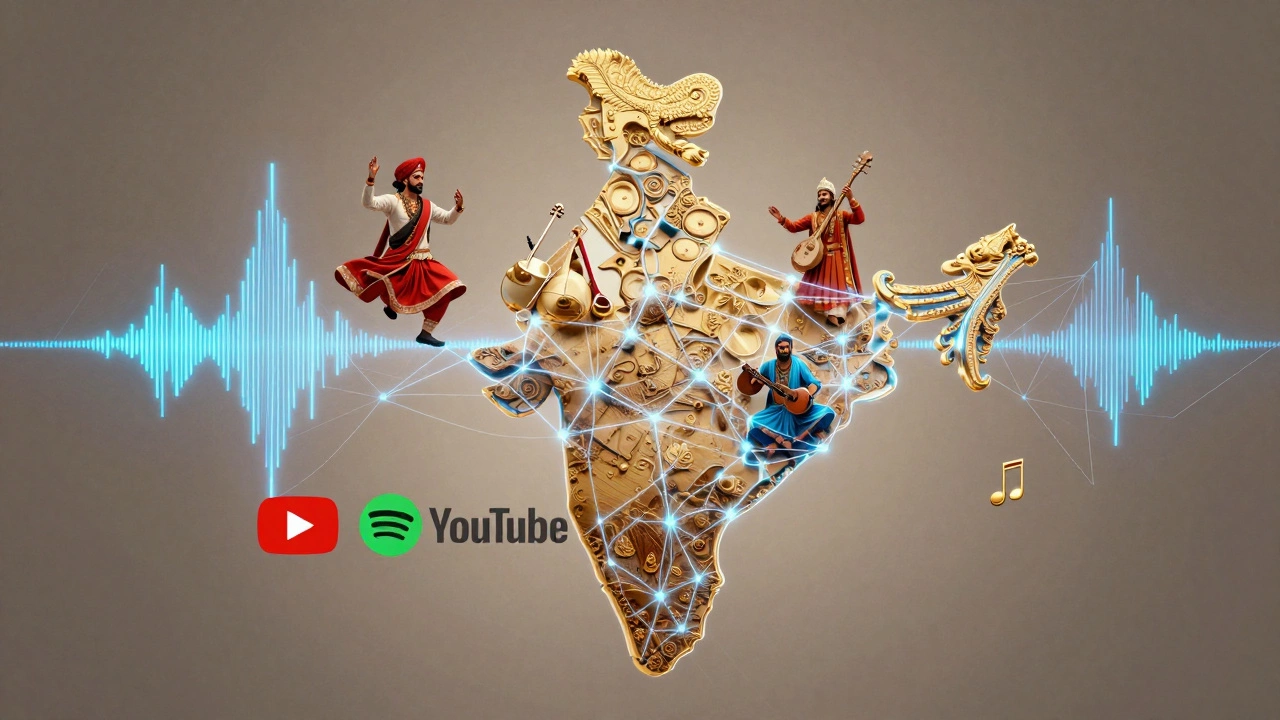
In the past, folk music was confined to villages. Today, platforms like YouTube, Spotify, and Instagram have democratized access. A farmer in Odisha singing a Gotipua is a traditional Odissi dance form performed by young boys dressed as women, often accompanied by folk songs song can reach listeners in New York or Berlin. This digital exposure has helped certain folk songs gain unprecedented popularity.
For instance, the Odia folk song "Khandha Kariya" went viral on social media, introducing millions to Odissi-inspired folk rhythms. Similarly, Assamese Bihu songs are streamed heavily during the Bihu festival season, becoming temporary "No. 1" hits in terms of streams. This trend shows that while there is no permanent champion, folk music is experiencing a renaissance thanks to technology.
Conclusion: Embrace the Diversity
Instead of searching for a single "No. 1" song, embrace the idea that India’s musical identity is pluralistic. The beauty lies in the variety-from the earthy beats of the Dhol in Punjab to the delicate strings of the Ektara in Bengal. Each region contributes a vital thread to the national fabric. Whether you are a researcher, a music lover, or someone exploring their heritage, the best approach is to dive into the specific traditions that interest you. You might find that your personal "No. 1" song is a local gem you never knew existed.
Is there an official national folk song of India?
No, India does not have an official national folk song. The national anthem is "Jana Gana Mana," and the national song is "Vande Mataram." Folk music remains decentralized, with each state promoting its own regional traditions.
Which Indian folk song is most popular globally?
While difficult to measure precisely, Bhangra songs from Punjab tend to have the widest global reach due to the large Punjabi diaspora and the energetic nature of the music. Tracks featuring the Dhol drum are particularly recognizable at international festivals and weddings.
Can I use folk songs for commercial projects?
Traditional folk songs are generally in the public domain, meaning you can use them without royalty fees. However, specific recordings or modern adaptations may be copyrighted. Always check the rights for the particular version you intend to use, especially if it features living artists.
How has Bollywood influenced folk music?
Bollywood has both preserved and altered folk music. By sampling folk melodies, it has introduced traditional sounds to urban audiences. However, this can also lead to dilution, where complex cultural contexts are simplified for mass appeal. Some artists collaborate directly with folk singers to maintain authenticity.
Where can I listen to authentic Indian folk music?
Streaming platforms like Spotify and Apple Music have curated playlists for regional folk music. YouTube is also a rich source, especially for live performances and rare recordings. Additionally, organizations like Sangeet Research Academy publish high-quality archival recordings of traditional artists.