Travel Tips for Tamil Culture: What to Know Before You Go
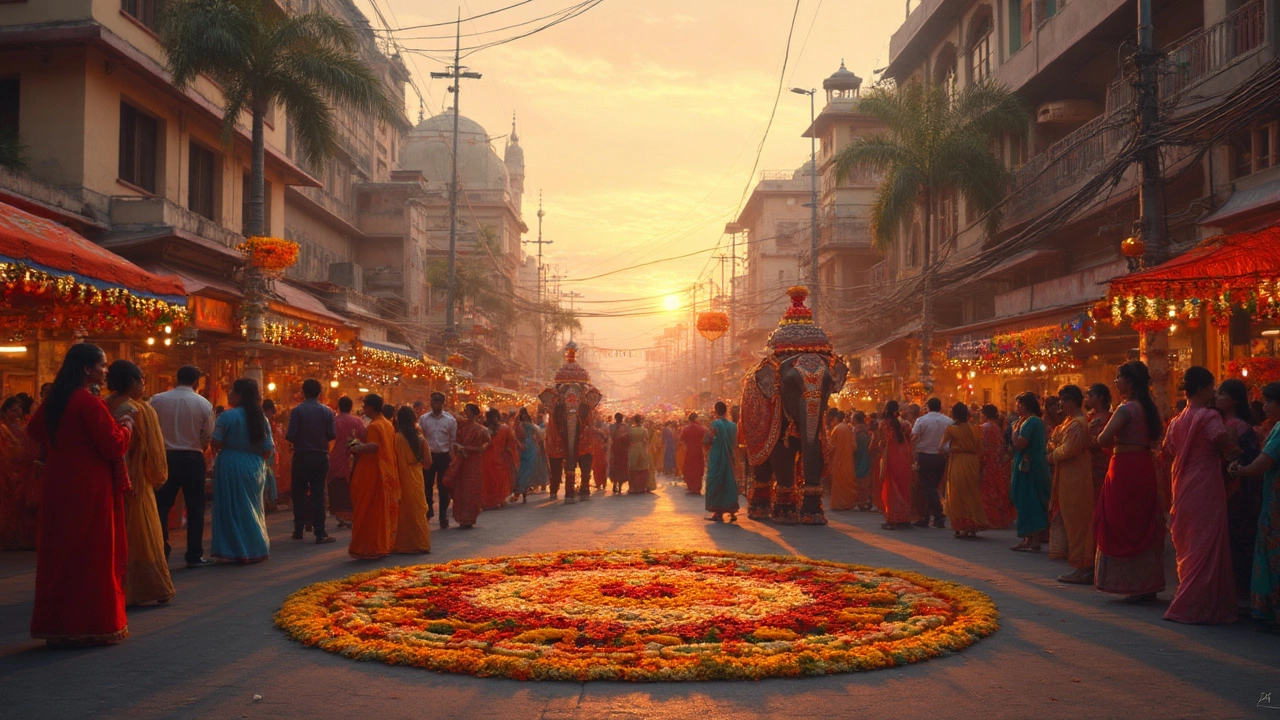
When you travel to Tamil Nadu, you're not just visiting a place—you're stepping into one of the world’s oldest living cultures. Tamil culture, a vibrant, 2,000-year-old tradition rooted in language, temple rituals, and folk arts. Also known as Dravidian heritage, it shapes how people eat, celebrate, and connect daily. This isn’t a backdrop for photos—it’s a living system. If you show up expecting generic Indian tourism, you’ll miss the real heartbeat: the drumming of Karakattam, a dance performed with balancing pots during temple festivals, the scent of jasmine in morning prayers, or the quiet ritual of offering food to strangers during Diwali, a festival celebrated differently here than in the north, often blending with Karthigai Deepam.
Most travelers don’t realize how deeply customs are tied to place. In rural Tamil Nadu, you won’t find just one way to celebrate Navratri, a nine-night festival that stretches to fifteen days in some villages, with unique folk dances and home altars. Dress matters. Covering shoulders and knees isn’t just polite—it’s expected near temples, even in the heat. And food? You’ll see sweets given out like currency during festivals, but also strict rules: no beef, no onions in some homes, and meals served on banana leaves as a sign of respect. These aren’t quirks—they’re inherited values. Skip the tourist traps and join a local family for a meal, and you’ll understand why Tamil folklore, filled with water spirits like Jalpari and village deities tied to trees and rivers still feels alive today.
There’s no single rulebook for traveling here, but there are clear signals if you pay attention. If you hear a bell ring near a temple doorway, pause. If you see someone offering coconuts to a statue, don’t snap a picture—watch. The travel tips aren’t about what to pack, but what to leave behind: assumptions, rush, and the idea that culture is something you observe from outside. The real experience comes when you move with the rhythm of the place, not against it. Below, you’ll find real stories from people who’ve walked these streets, celebrated these festivals, and learned the quiet rules that make Tamil culture unforgettable—not just exotic.