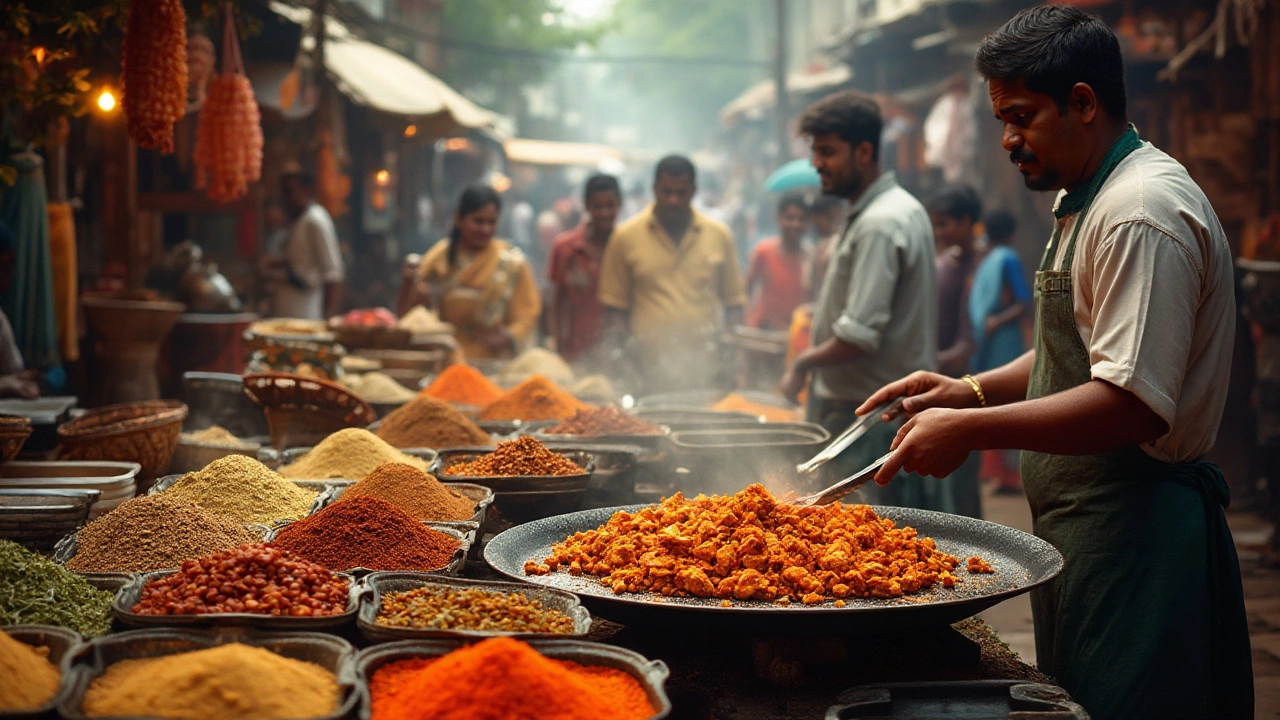
Traditional Tamil Dishes: Authentic Flavors, Cultural Roots, and Everyday Rituals
When you think of traditional Tamil dishes, a rich, spice-driven cuisine rooted in temple traditions, agrarian cycles, and family kitchens across Tamil Nadu. Also known as Tamil Nadu cuisine, it’s not just about taste—it’s about rhythm. The way rice is steamed at dawn, the way lentils are ground by hand for idli batter, the way coconut chutney is served with every meal—it’s all part of a living culture that hasn’t changed in centuries.
These dishes don’t exist in a vacuum. They’re tied to Tamil food culture, a system of eating shaped by climate, caste, religion, and community. For example, Pongal isn’t just a dish—it’s a harvest festival. Sambar isn’t just a stew—it’s the backbone of a Tamil lunch plate, made differently in Madurai than in Chennai. And South Indian food, a broader category that includes Tamil, Kannada, and Andhra styles, often gets lumped together, but Tamil cooking stands apart with its use of tamarind, asafoetida, and dried red chilies in ways no other region matches.
You’ll find Tamil Nadu recipes, passed down orally, often without measurements, relying on instinct and experience. A grandmother knows when the oil is hot enough for tempering by the sound of mustard seeds popping. A mother knows the exact moment to add curry leaves to a dal—before the rice is fully cooked, so the aroma lingers. These aren’t recipes you find in cookbooks. They’re memories wrapped in steam.
And it’s not just about what’s eaten—it’s about when and why. On Diwali, you’ll get mysore pak. On Pongal, it’s sweet pongal with jaggery and ghee. During fasting days, you’ll eat sago porridge or rice flour pancakes. Even the way food is served matters—on a banana leaf, never on a plate, unless you’re in a city kitchen. This isn’t tradition for show. It’s tradition because it works.
What you’ll find in the articles below isn’t a list of recipes. It’s a window into how Tamil families eat, celebrate, mourn, and welcome guests—through food. You’ll see how traditional Tamil dishes connect to temple rituals, how they’ve survived migration to Malaysia and Singapore, and how even young Tamils in London still make their own pickles because nothing else tastes right. These aren’t just meals. They’re identity on a plate.