Traditional Food in Tamil Culture: Recipes, Rituals, and Regional Flavors
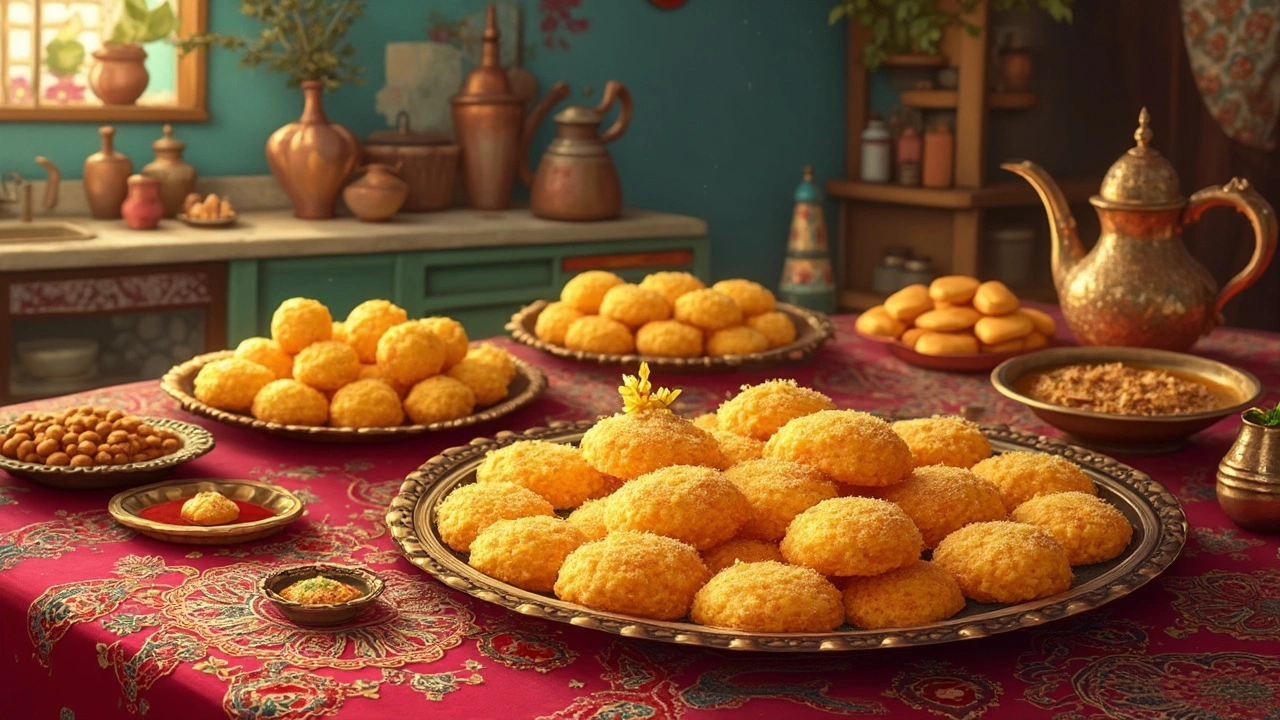
When you think of traditional food, the daily meals and festive dishes rooted in centuries of Tamil life, often tied to religious rituals, seasonal cycles, and family gatherings. Also known as Tamil cuisine, it’s not just about taste—it’s about identity, devotion, and memory. In Tamil Nadu, food doesn’t just fill your stomach; it honors ancestors, welcomes gods, and brings people together. A simple rice and lentil dish like pongal isn’t just breakfast—it’s an offering to the sun during Pongal, a harvest festival older than written records. The same rice, cooked with jaggery and milk, becomes a sweet celebration. The same rice, cooked with turmeric and mustard seeds, becomes a savory ritual for temple festivals. This duality—simple ingredients, deep meaning—is what makes Tamil traditional food unlike anything else.
What you eat in Tamil culture depends on where you are, what time of year it is, and what god you’re honoring. In rural villages, you’ll find Tamil Nadu food, a cuisine built on locally grown rice, millets, lentils, and vegetables, shaped by temple traditions and agrarian rhythms. In cities, you’ll see the same dishes, but served with modern twists. During Karthigai Deepam, families fry sweet adhirasam made from rice flour and jaggery. On Navaratri, they serve panakam, a cooling drink of jaggery, ginger, and cardamom, to honor the goddess. Even everyday meals follow rules: no onion or garlic during certain fasting days, coconut oil used instead of ghee in temple kitchens, and meals always served on banana leaves, not plates. These aren’t random customs—they’re living traditions, passed from mother to daughter, from temple priest to village cook.
And it’s not just about what’s eaten—it’s about how it’s shared. A Tamil meal isn’t complete without a neighbor bringing a bowl of sambar, or a relative dropping off a batch of vada. Food is the language of care. It’s how families show love when words fail. It’s how communities remember their roots when they move abroad. The Tamil festivals food, the special dishes made only during religious events like Pongal, Thaipusam, or Aadi Perukku, are never rushed. They’re made slowly, with patience, often by multiple generations cooking side by side. You won’t find these recipes in cookbooks—you’ll find them in the hands of grandmothers who measure spices by feel, not grams.
What you’ll find in the articles below are real stories, real dishes, and real people who keep this food alive. From the temple kitchens of Madurai to the coastal villages of Kanyakumari, you’ll see how rice, lentils, and spices carry more than flavor—they carry history. You’ll learn why certain foods are forbidden during specific months, how street vendors preserve ancient cooking methods, and why a single dish like rasam can mean comfort, healing, or celebration depending on the day. There’s no single Tamil food. There are hundreds—each one a thread in a much larger tapestry. And you’re about to see them all.