Traditional Dance in Tamil Culture: Forms, Meaning, and Living Traditions
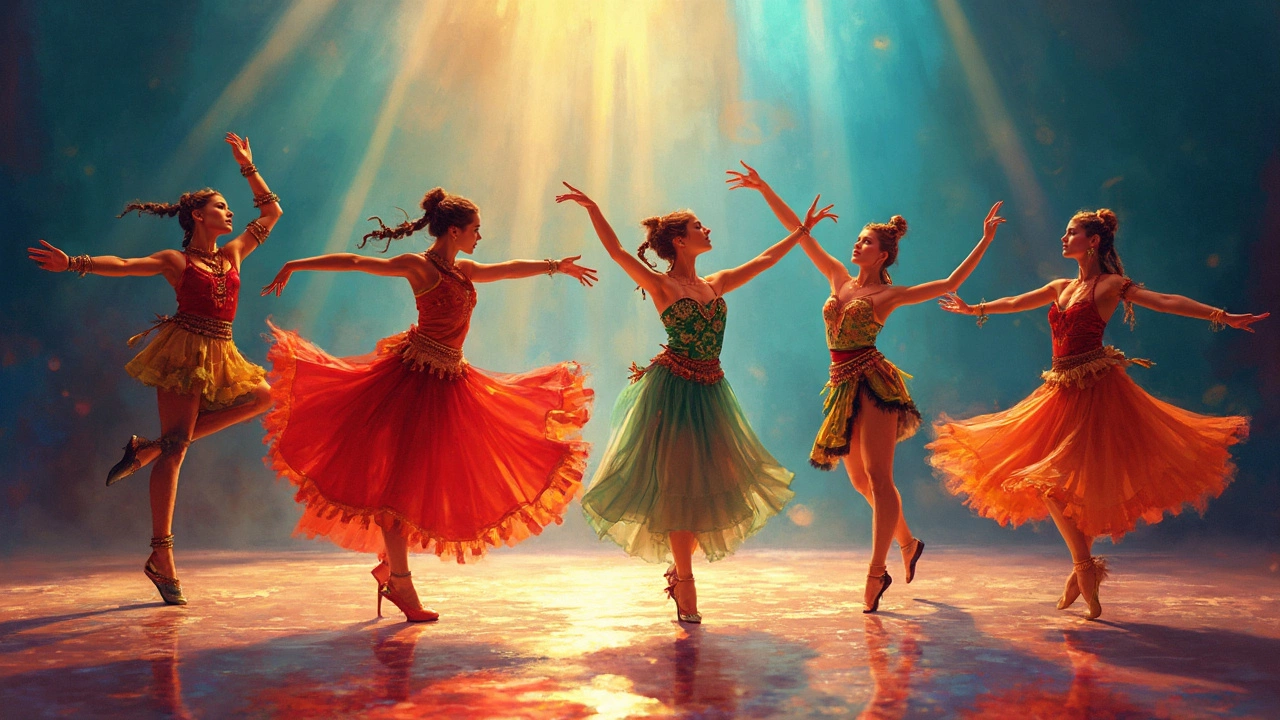
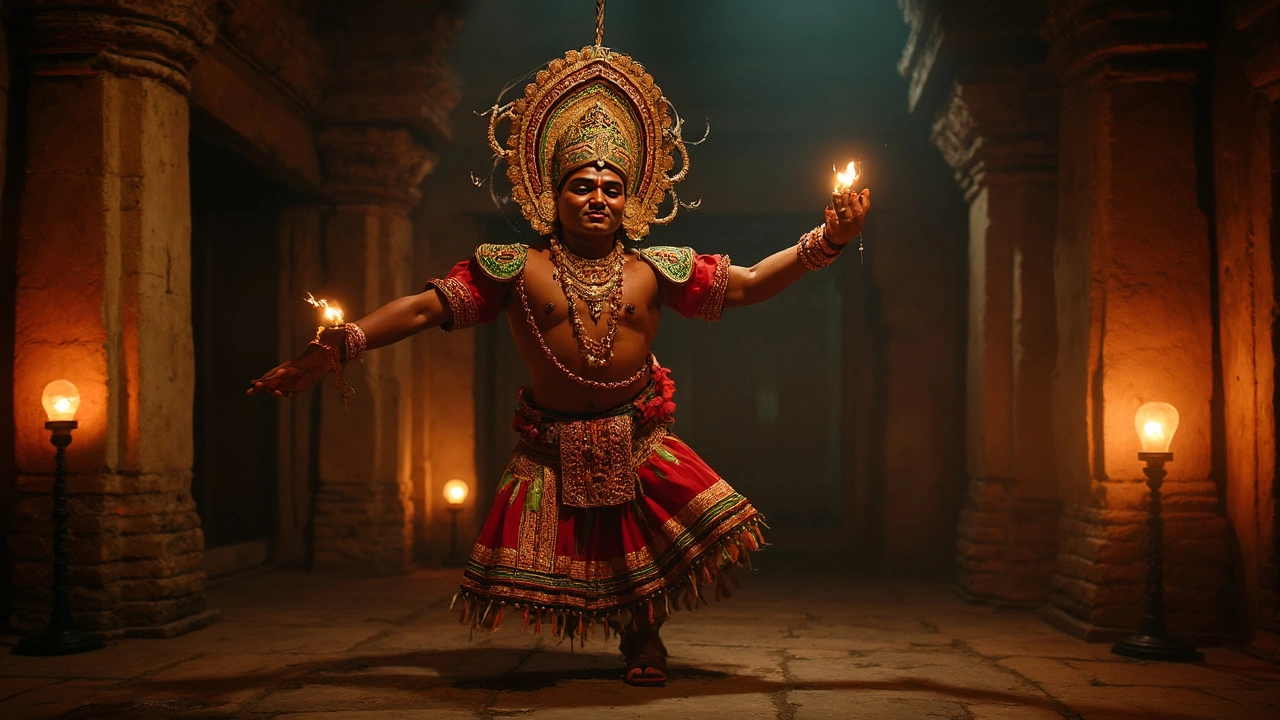
When you think of traditional dance, a physical expression of cultural identity passed down through generations, often tied to ritual, storytelling, and community. Also known as folk dance, it's not just movement—it's memory in motion. In Tamil Nadu, traditional dance isn’t something you watch on stage. It’s part of temple courtyards, village festivals, and rainy-season processions. You’ll find it in the rhythmic steps of Karakattam, a dance where performers balance clay pots on their heads while moving to drum beats, originally offered to the rain goddess Mariamman, and in the wild, masked performances of Theru Koothu, a street theater form that blends dance, song, and drama to tell mythological tales with raw energy. These aren’t relics. They’re alive—practiced by farmers, school kids, and elders who still believe dance is a way to speak to the divine.
What makes Tamil traditional dance different from others? It doesn’t wait for approval. It doesn’t need a theater. It shows up when the drums beat, when the monsoon comes, when the village needs a story told. Unlike formal Bharatanatyam, which became polished for royal courts and global stages, these dances stayed messy, loud, and real. Puliyattam, the tiger dance, where performers paint their bodies yellow and black and leap like wild cats, is performed during village fairs to scare off evil spirits. Kavadi Aattam, a devotional dance where devotees carry ornate frames on their shoulders while dancing to drums, is a physical prayer. These aren’t performances for tourists. They’re acts of faith, survival, and identity. And they’re still happening—right now—in villages where phones don’t always work but the drums never stop.
You won’t find these dances in most history books. But you’ll find them in the sweat of a 70-year-old woman balancing a pot on her head, in the painted face of a boy pretending to be a demon, in the echo of a drum that’s been beaten the same way for 300 years. The posts below dive into these traditions—how they’re kept alive, who still performs them, and why they matter more today than ever. Whether you’re curious about the connection between dance and Tamil folklore, or you want to know how a simple drumbeat can hold an entire community together, you’ll find real stories here—not just facts, but voices.