World’s Friendliest Countries for Tourists: Where You’ll Feel Most Welcome
Uncover which countries are the most welcoming to tourists, with real stories, stats, and practical tips for travelers eager to feel at home abroad.
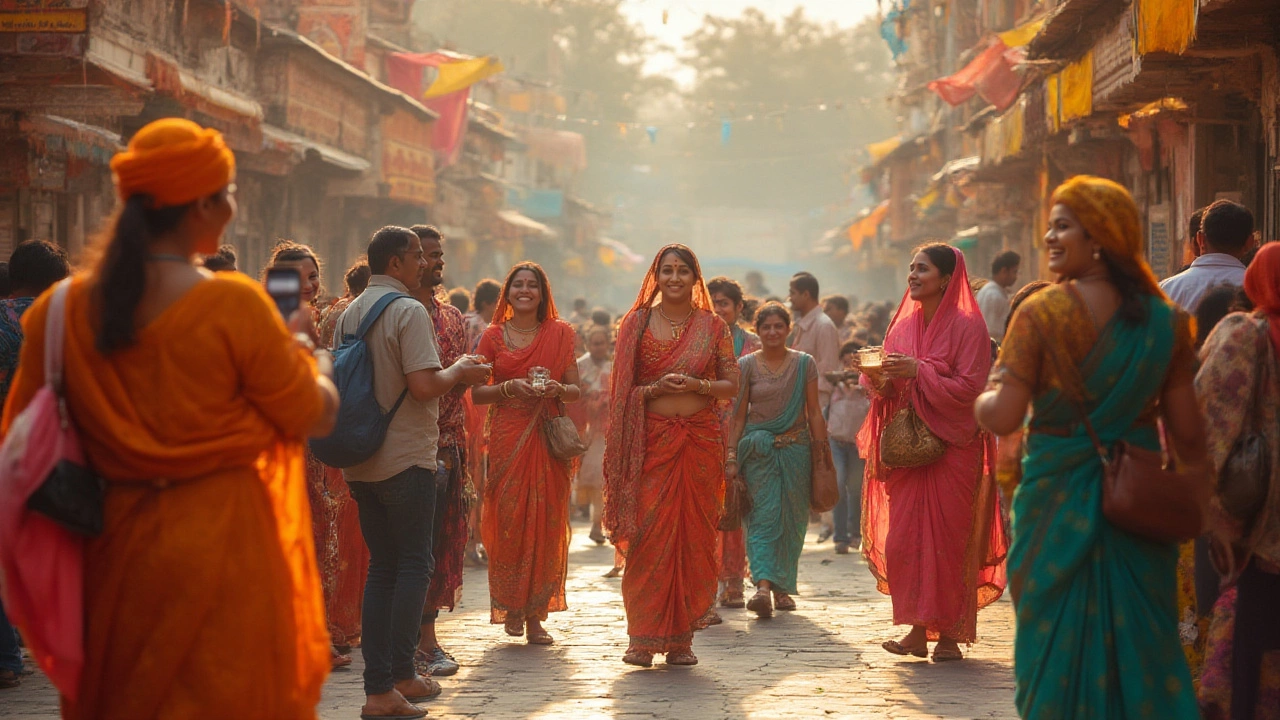
When you visit Tamil Nadu, you're not just arriving at a destination—you're stepping into a culture where tourist hospitality, the deep, instinctive way Tamil families and communities welcome outsiders with generosity and respect. This isn't about hotels or tour guides—it's about how a stranger is treated like family, often before they even ask for help. You’ll be offered tea before you sit down, asked about your journey before you mention your plans, and sometimes invited to a home meal even if you’re just passing through. This isn’t performative. It’s inherited. Rooted in the Tamil concept of atithi devo bhava, the ancient Sanskrit-Tamil principle that a guest is a god, this attitude blends spiritual duty with everyday kindness.
Tourist hospitality here doesn’t look like the polished service of a five-star resort. It’s the old woman at the temple gate who gives you a coconut without being asked. It’s the shopkeeper who insists you try his homemade murukku before you pay. It’s the neighbor who shows up with a plate of rice and sambar when you look lost near a village shrine. These moments aren’t staged for tourists—they’re part of daily life. And they’re tied to something deeper: the Tamil value of mutal irundhal, the idea that helping others, especially those in need or unfamiliar, strengthens the whole community. Unlike places where hospitality is a service industry, in Tamil Nadu, it’s a moral code passed down through generations.
This kind of hospitality also comes with unspoken rules. Don’t refuse food offered at a home—it’s seen as rejecting care. Don’t point with your feet—it’s disrespectful. Don’t assume everyone speaks English; many elders will smile and try anyway. You’ll notice that even in busy cities like Madurai or Coimbatore, people pause to help. A tourist asking for directions? Someone will walk with them. A visitor looking confused at a temple entrance? A local will explain the rituals, even if they’re in a hurry themselves. This isn’t about tourism marketing. It’s about identity. The Tamil people don’t just host visitors—they honor them as part of a shared human experience.
What you’ll find in the posts below are real stories and insights that show how this hospitality shows up—in festivals like Pongal, where strangers are fed; in temple towns like Kanchipuram, where families open their homes to pilgrims; and in the quiet moments between travelers and locals that no guidebook captures. You’ll read about how food becomes a bridge, how language barriers dissolve with gestures, and why so many visitors leave saying they didn’t just visit Tamil Nadu—they were welcomed into it.
Uncover which countries are the most welcoming to tourists, with real stories, stats, and practical tips for travelers eager to feel at home abroad.