Nose Ring Tradition: What It Means in Tamil Culture and Beyond
When you see a woman wearing a nose ring in Tamil Nadu, it’s not just jewelry—it’s a nose ring tradition, a cultural practice rooted in centuries of Tamil Hindu customs, often tied to marriage, identity, and spiritual belief. Also known as nath, this small but powerful adornment carries weight far beyond fashion. Unlike random piercings you might see elsewhere, the Tamil nose ring isn’t chosen for trends. It’s passed down, often from mother to daughter, and worn on the left nostril for reasons tied to Ayurveda and ancient texts that link this side to reproductive health and childbirth.
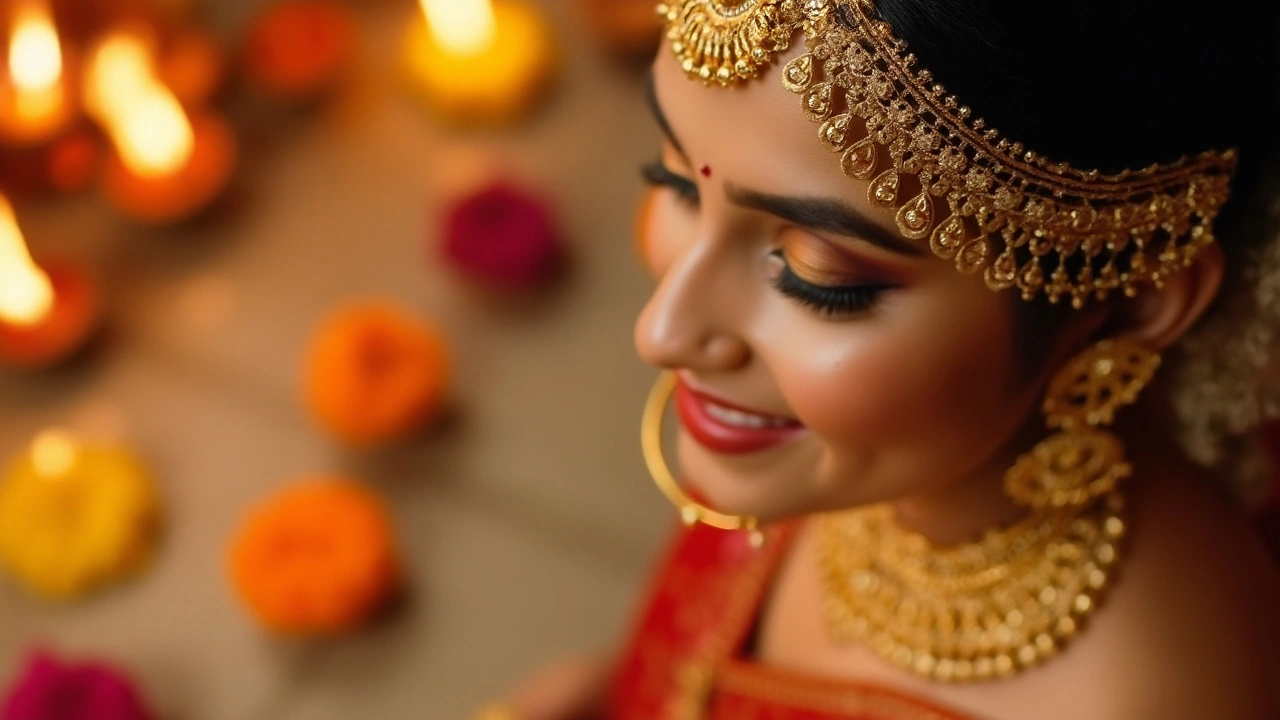
The nose piercing, a ritual performed in childhood or before marriage, is part of a larger system of body adornment in South Indian communities. In many Tamil families, the piercing happens around age 7 to 12, sometimes during a small ceremony with prayers to the goddess Parvati, who is often shown wearing one. The ring itself—whether gold, silver, or studded with a ruby—signals a girl’s transition into womanhood. For brides, the nose ring becomes a non-negotiable part of the wedding ensemble, symbolizing prosperity, marital status, and devotion. It’s not about looking pretty; it’s about belonging.
Outside of marriage, the nose jewelry, a category that includes studs, hoops, and chains, varies by region, caste, and even village. In rural Tamil Nadu, you’ll find heavier, ornate pieces worn daily, while urban women might wear minimalist studs. But even then, the meaning lingers. Some women wear them to honor ancestors. Others wear them as quiet rebellion—keeping tradition alive in a modern world that often dismisses it. The practice isn’t limited to Hindus; you’ll find Muslim and Christian Tamil women wearing them too, not as religious symbols, but as cultural markers.
What makes this tradition stand out is how it survives without fanfare. There’s no social media trend driving it. No celebrity endorsement. Just mothers, grandmothers, and aunts showing girls how to put it on, how to care for it, and why it matters. It’s one of those things you don’t question until you leave home—and then you realize how much of your identity was stitched into that tiny piece of metal.
Below, you’ll find articles that explore how this tradition connects to broader Tamil customs—from wedding rituals to folk beliefs, from the symbolism of jewelry to how modern Tamil women are redefining what it means to wear one. Some pieces dive into the spiritual side. Others show you how it’s changing. All of them help you understand why, in a fast-moving world, the nose ring still holds its place.