Indian Folk Songs: Traditions, Instruments, and Voices That Keep Rural Roots Alive
When you hear an Indian folk song, a traditional, regionally rooted melody passed orally through generations, often tied to harvests, weddings, or temple rituals. Also known as village music, it’s not performed for fame—it’s sung because it’s part of daily life. These aren’t polished studio tracks. They’re the hum of a mother rocking a child to sleep in Tamil Nadu, the shout of laborers pulling a bullock cart in Maharashtra, the drumbeat that calls villagers to a festival in Odisha. This is music that doesn’t need a stage—it lives in fields, courtyards, and monsoon rains.
What makes Indian folk songs, a living tradition tied to local language, climate, and community work so powerful is how deeply they connect to other cultural elements. You can’t separate them from Tamil folk music, the rhythmic, drum-driven songs of Tamil Nadu that accompany dances like Karakattam and Theru Koothu. Or from folk instruments, simple, handmade tools like the ektara, dholak, or nadaswaram that carry the soul of rural sound. These aren’t just background noise—they’re the tools that hold stories together. A song about a monsoon might use a specific rhythm only found in coastal Andhra. A wedding ballad in Punjab might change its tune depending on whether it’s sung by the bride’s family or the groom’s. Every region has its own version, its own voice.
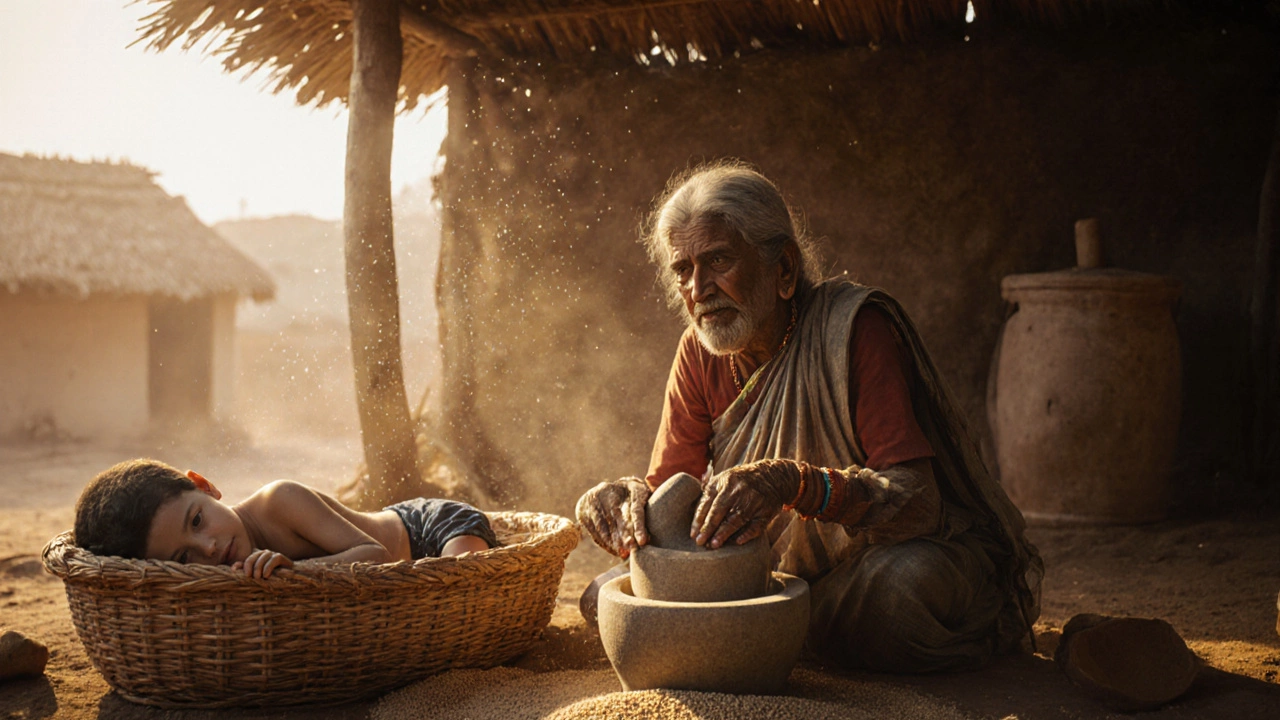
And then there are the singers. Not the ones on TV, but the ones you’ll never find on Spotify—grandmothers who know 50 songs from memory, farmers who sing while sowing rice, women who chant lullabies in dialects no textbook teaches. These are the keepers. They don’t need microphones. They don’t need algorithms. They just need a circle of listeners. That’s why Indian folk singers, the unsung voices who preserve regional identity through melody and memory matter more than any chart-topper. Their songs carry history you won’t find in textbooks: lost rituals, forgotten protests, ancestral jokes, and silent griefs turned into rhythm.
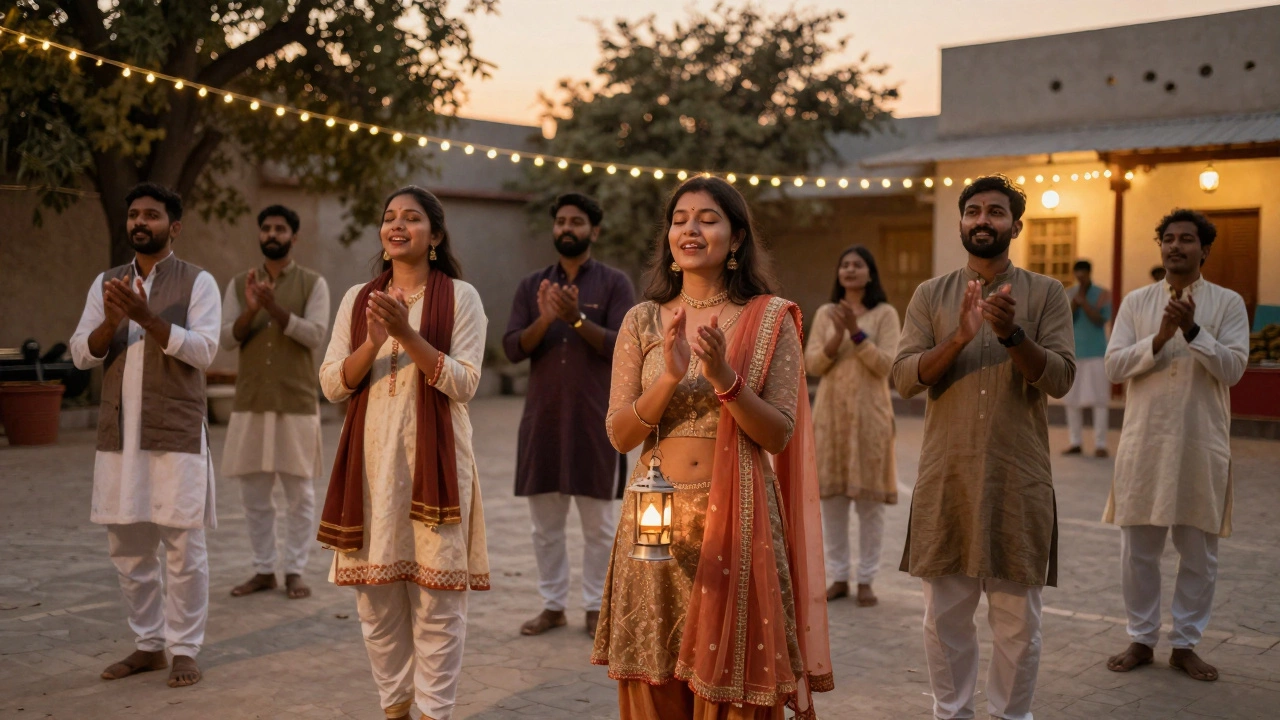
If you’ve ever wondered why some Indian songs feel deeper than pop music, it’s because they’re not trying to entertain—they’re trying to remember. These songs survived colonization, urbanization, and digital noise because they were never meant to be sold. They were meant to be lived. And that’s what you’ll find in the posts below: real stories from real places. You’ll hear how Diwali songs in Tamil villages differ from those in Uttar Pradesh. You’ll learn which instruments make a folk song feel like home. You’ll meet the singers who still sing in the rain because the old ways haven’t died—they’re just waiting for someone to listen.