Indian Desserts: Sweet Traditions, Regional Treats, and Cultural Roots
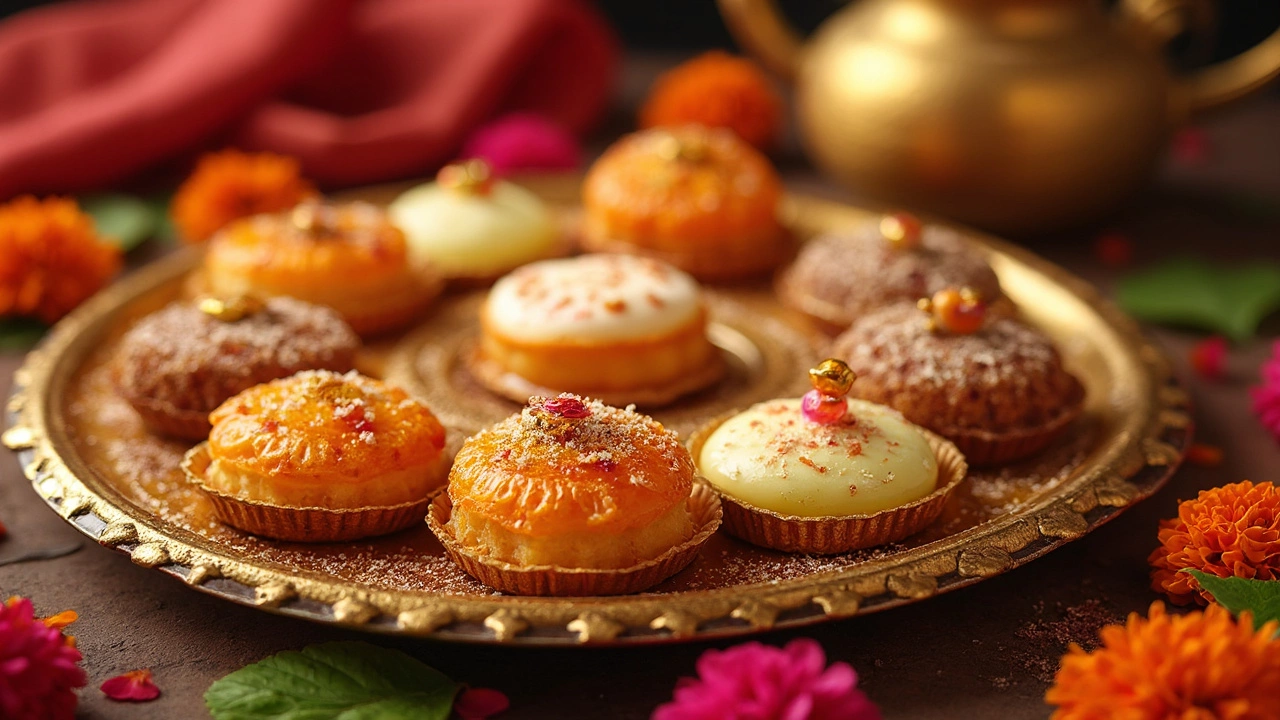
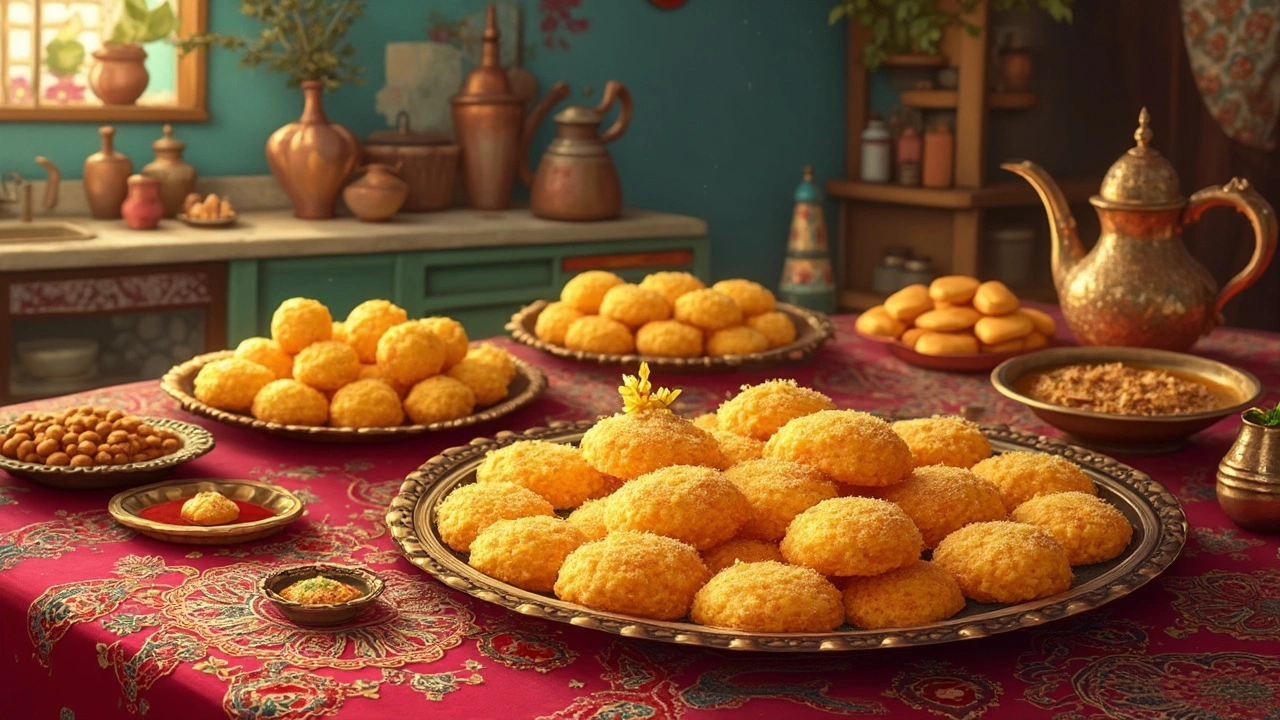
When you think of Indian desserts, a diverse collection of sweet foods deeply tied to religious rituals, seasonal festivals, and family gatherings across India. Also known as mithai, these treats aren't just sugar and spice—they're a language of celebration, offering comfort, connection, and meaning in every bite. Whether it’s a wedding, a temple offering, or Diwali night, there’s always a dessert at the center of the moment.
Each region has its own signature style. In the north, you’ll find rich, milk-based sweets like gulab jamun, deep-fried dough balls soaked in syrup, often served during festivals and celebrations. In the south, desserts like payasam, a creamy rice or vermicelli pudding flavored with cardamom and nuts, often offered in temples are tied to daily worship and special occasions. Then there’s jalebi, a crispy, orange swirl soaked in syrup, popular from Punjab to Tamil Nadu, and often eaten with morning tea. These aren’t just snacks—they’re cultural markers. The way a sweet is made, when it’s served, and who shares it all carry history.
Many of these desserts are linked to major festivals. Diwali, for example, isn’t just about lights—it’s a flood of sweets like barfi, laddu, and halwa. But it’s not just Hindus who celebrate with sweets. In Bengal, rosogolla is part of Durga Puja. In Tamil Nadu, pongal and adhirasam appear during Pongal. Even though the names change, the pattern stays the same: food as devotion, food as joy. And yes, you’ll find these same sweets in Tamil homes during Diwali, even though their main festival is Karthigai Deepam. The overlap shows how deeply food traditions cross regional and religious lines.
What makes Indian desserts different isn’t just the taste—it’s the intention. They’re made slowly, often by hand, with ingredients that have been passed down for generations. There’s no rush. No shortcuts. The sugar syrup has to reach the right thread consistency. The ghee has to be fresh. The cardamom has to be crushed just right. That’s why store-bought versions rarely taste the same. These sweets carry memory. A grandmother’s recipe. A mother’s hands. A child’s first bite.
And while modern trends bring in chocolate cakes and ice cream, the old sweets still hold their ground—because they’re not just food. They’re identity. They’re belonging. They’re what you eat when you want to feel like home.
Below, you’ll find articles that dig into the stories behind these sweets—why they’re given during Diwali, how they vary from village to village, and even how some are tied to ancient rituals you might not know about. Whether you’re curious about the science behind syrup texture or the symbolism of a laddu in a temple offering, there’s something here that connects the sugar to the soul.