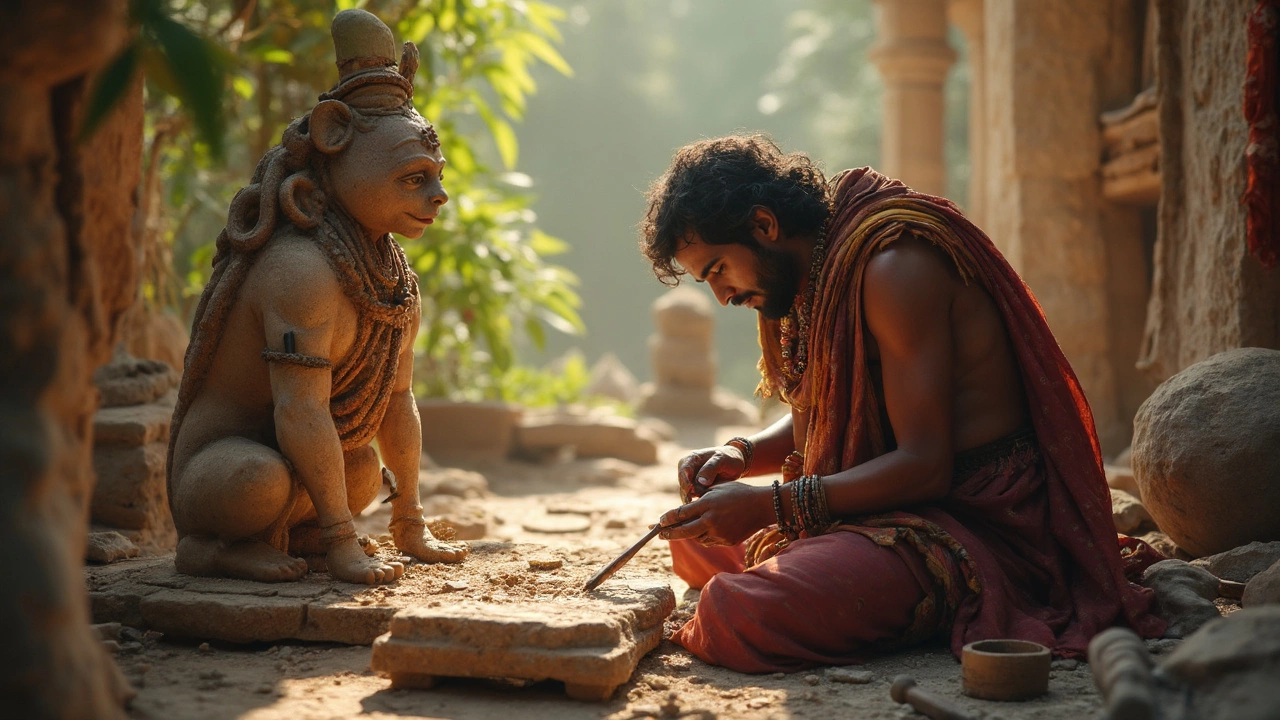
Indian Artist: Discover the Voices, Traditions, and Stories Behind India's Creative Soul
When we talk about an Indian artist, a creator rooted in centuries of spiritual, musical, and visual traditions across India's diverse regions. Also known as Indian creative, it isn’t just about painting or singing—it’s about carrying forward rituals, stories, and rhythms passed down through generations. An Indian artist might be a folk singer in Tamil Nadu humming bol banao, a rhythmic, wordless vocal tradition used in daily life and village rituals, or a dancer performing Karakattam, a temple dance from Tamil Nadu where balance and devotion are as important as movement. These aren’t performances for applause—they’re acts of memory, faith, and identity.
What makes an Indian artist different isn’t just their medium—it’s the world they draw from. Many draw inspiration from Hindu mythology, a vast system of gods, symbols, and stories that shape art, music, and even color choices in painting. Think of the blue skin of Krishna or Shiva—not a stylistic choice, but a symbol of infinity. Or how Carnatic music, a classical system from South India centered on devotion, complex ragas, and intricate percussion flows from temple rituals into concert halls. These aren’t separate from daily life; they’re woven into it. Even today, an artist in rural Karnataka might paint a mural of a goddess using natural pigments, just as their great-grandparent did. Meanwhile, a singer in Kolkata might blend Bengali folk tunes with modern beats, keeping tradition alive without copying it.
The Indian artist doesn’t work in isolation. They respond to community, season, and sacred time. Diwali brings new songs, Navratri inspires dance, and monsoons revive folk tales about water spirits like the Jalpari, a mermaid-like figure from Indian folklore tied to rivers and rain. Their tools aren’t always high-tech—sometimes it’s a clay pot, a bamboo flute, or just their voice. But the impact? Massive. These artists keep languages alive, preserve forgotten rhythms, and give meaning to rituals that might otherwise fade. You won’t find them on every billboard, but you’ll feel them in the drumbeat at a village fair, the chant in a temple courtyard, or the brushstroke on a temple wall.
What follows is a collection of articles that uncover who these artists really are—not as stereotypes, but as people shaping culture from the ground up. You’ll learn why some Indian gods are painted blue, how nonsense singing carries deep emotion, and how folk music in Tamil Nadu connects to ancient beliefs. There’s no fluff here—just real stories from real creators who keep India’s soul singing, dancing, and speaking through their work.