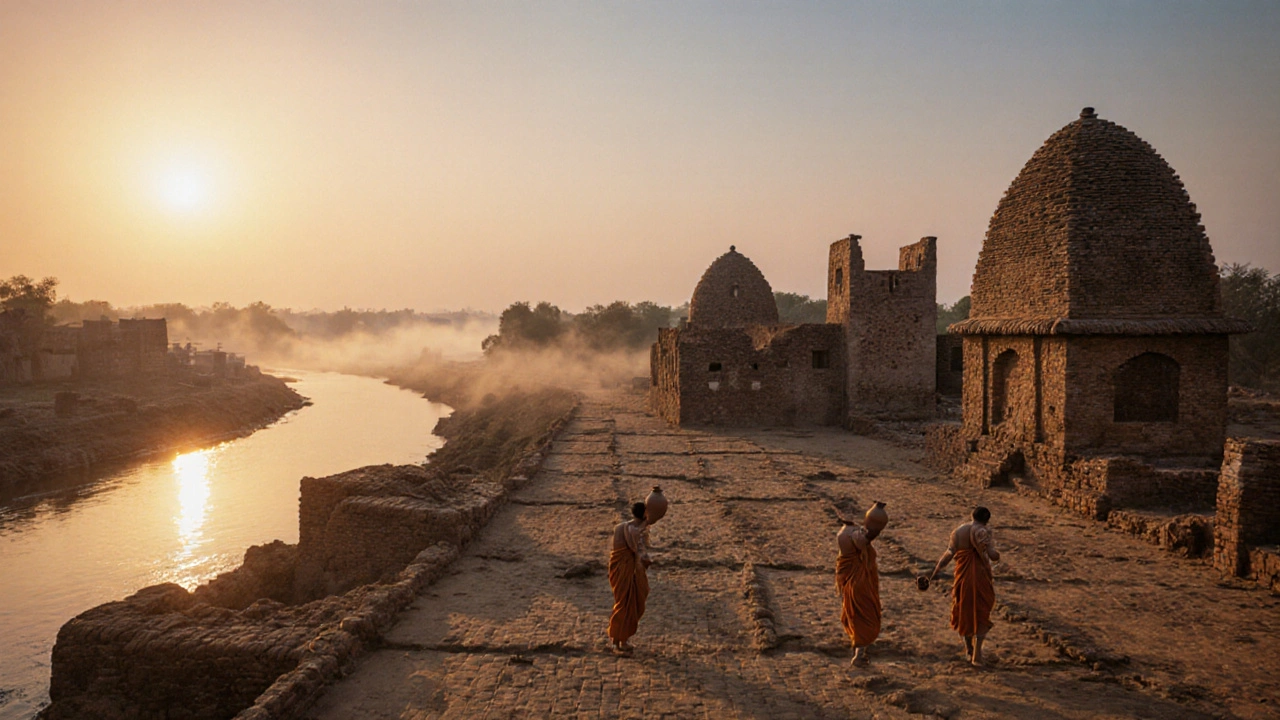
India’s Rich Cultural Heritage Explained
Explore India's rich cultural heritage, from ancient history and diverse religions to festivals, arts, architecture, cuisine, and traditional clothing.
When you think of India traditions, the living customs, rituals, and cultural practices passed down through generations across India’s diverse communities. Also known as Indian cultural practices, it isn’t just about big festivals—it’s the quiet morning prayers in Tamil Nadu, the rhythm of bol banao, a wordless, rhythmic vocal tradition in rural Indian folk music in a village field, or the way families avoid certain foods during religious days because of deeply held beliefs. These traditions aren’t relics. They’re alive, changing, and still guiding how millions live every day.
Many people assume India’s traditions are all the same, but that’s not true. In Bengal, Durga Puja, a 10-day festival honoring the goddess Durga with elaborate pandals, music, and community feasts shuts down streets for weeks. In Tamil Nadu, Karthigai Deepam, a festival of lights where oil lamps are lit on rooftops and temple towers is just as important as Diwali, but with its own songs, rituals, and meaning. Meanwhile, in Punjab, Punjabi songs, vibrant, drum-driven tunes often tied to harvests, weddings, and daily labor carry stories older than written records. And while Diwali is famous worldwide, not every Indian celebrates it the same way—some Tamil families don’t light fireworks at all, choosing instead to focus on temple visits and oil baths. Even food has rules: in some communities, onions and garlic are avoided during fasting, while in others, eating beef is unthinkable, and in yet others, it’s just dinner. These aren’t random rules—they’re tied to history, geography, religion, and identity.
What you’ll find below isn’t a list of tourist brochures. These are real stories from real people: why the blue skin of Krishna isn’t just art, how Ayurveda can backfire if used carelessly, why the Catholic Church has questions about yoga, and how nonsense singing in villages holds more meaning than most modern pop songs. You’ll learn about the Jalpari, the Indian mermaid, and why Navratri lasts 15 days in some places. There’s no fluff here—just the customs, contradictions, and quiet beauty of how India actually lives, eats, sings, and prays.
Explore India's rich cultural heritage, from ancient history and diverse religions to festivals, arts, architecture, cuisine, and traditional clothing.