Important Bengali Holidays: Festivals, Traditions, and What They Mean
When we talk about important Bengali holidays, annual cultural and religious celebrations rooted in the traditions of Bengal, spanning West Bengal in India and Bangladesh. Also known as Bengali festivals, these events are the heartbeat of daily life for over 250 million people who speak Bengali. They’re not just days off—they’re full sensory experiences: the smell of incense in temple courtyards, the sound of dhol drums at dawn, the taste of sweets shared with neighbors you haven’t seen in months.
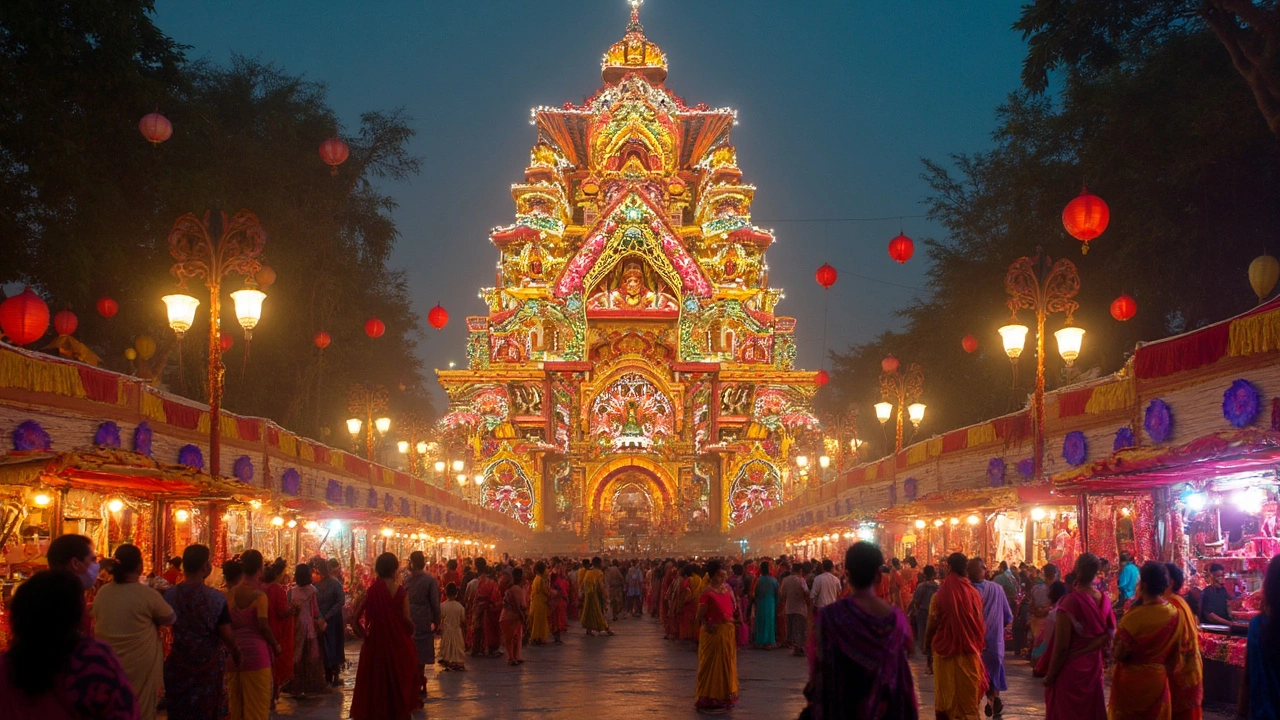
At the center of this calendar is Durga Puja, a ten-day festival honoring the goddess Durga’s victory over evil, celebrated with massive clay idols, street pandals, and community feasts. It’s the biggest, most visible, and emotionally powerful holiday in the region. Then there’s Poila Boishakh, the Bengali New Year, marked by wearing new clothes, eating special dishes like panta bhat, and visiting temples to welcome prosperity. It’s not just about calendars—it’s about renewal. And Saraswati Puja, a quiet, sacred day where students and artists honor the goddess of knowledge, placing books and instruments at her feet before beginning new learning. These aren’t isolated events. They’re linked by themes of devotion, community, and the rhythm of seasons.
What makes these holidays stick? It’s not just religion. It’s identity. In Kolkata, you’ll see families cleaning homes for weeks before Durga Puja. In rural villages, children learn folk songs for Poila Boishakh. Even in cities like London or New York, Bengali diaspora communities organize puja events that feel like home. These holidays tie people to their roots, even when they’re far away. They’re passed down through stories, recipes, and the way your grandmother hums a prayer while lighting a diya.
You’ll find posts here that break down each holiday’s rituals, foods, and regional twists. Some explain how Durga Puja changed after colonial times. Others show how modern Bengalis balance tradition with busy lives. There are guides on what to wear, where to go, and how to respectfully join in—even if you’re not Bengali. This isn’t a tourist checklist. It’s a look at what keeps a culture alive, one festival at a time.
Durga Puja stands as the most celebrated festival among Bengalis, blending vivid traditions, community joy, and artistic expression. This article unpacks the history, rituals, and dramatic impact Durga Puja has on West Bengal and Bengali communities around the world. You'll discover tips for enjoying the festival, its significance, and surprising facts that make Durga Puja more than just a religious event. Dive deep into the spirit, spectacle, and stories that turn late September and early October into an unforgettable cultural saga. Relatable, eye-opening, and packed with real-life details, it brings to life everything you ever wondered about Bengal's most cherished festival.