Hindu Marriage: Traditions, Rituals, and What Really Matters
When we talk about Hindu marriage, a sacred union guided by Vedic rituals, family consent, and spiritual duty. Also known as Vivaha, it’s not just a wedding—it’s a social contract that binds two families, honors ancestors, and sets the stage for a shared life path. Unlike Western weddings that often focus on romance alone, Hindu marriage is built on dharma—duty, righteousness, and mutual responsibility. It’s why you’ll see rituals like kanyadaan (giving away the bride) and saptapadi (seven steps around the sacred fire) that aren’t just symbolic—they’re legal and spiritual commitments under Hindu law.
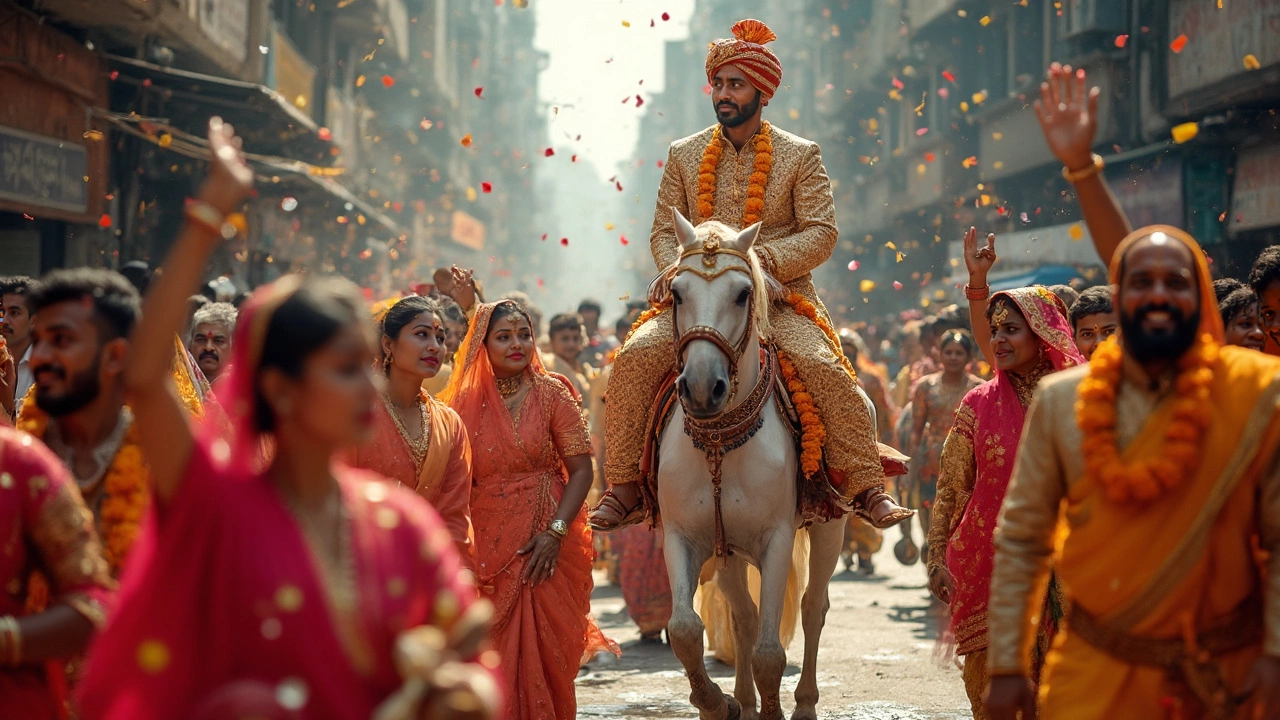
This system works differently across India. In Tamil Nadu, you’ll find rituals like madhuparkam (honey and yogurt offering) and maṅgalasūtra dhāraṇam (tying the sacred thread) that are deeply tied to local customs. In North India, the baraat procession and jaimala (flower garland exchange) dominate. But the core? Always the same: the bride and groom become one in the eyes of the gods, not just each other. The fire, the mantras, the tying of the thread—they’re all reminders that this isn’t a performance. It’s a promise that lasts beyond this life.
What’s often misunderstood is how modern Hindu marriage adapts. Yes, arranged marriages still dominate, but now they’re more like introductions than mandates. Young couples meet, talk, and choose—often with family approval, not pressure. Divorce rates are low, but rising slowly, especially in cities. And while many still follow the full 7-day wedding, others simplify it to a single day, keeping only the core rituals. The tradition isn’t fading—it’s evolving.
Behind every Hindu marriage are layers: caste, region, family expectations, economic realities, and personal beliefs. Some couples follow every ritual. Others pick what matters to them. But the thread that ties them all? The idea that marriage isn’t just about two people. It’s about continuity. About honoring those who came before, and building something that will outlast you.
Below, you’ll find articles that dig into the rituals, the myths, the regional differences, and even the quiet tensions behind this ancient system. Whether you’re curious about why the bride wears red, how temple weddings differ from civil ones, or what happens when a Tamil family marries a Punjabi one—you’ll find real stories here. Not theory. Not guesswork. Just what people actually do, think, and feel about Hindu marriage today.