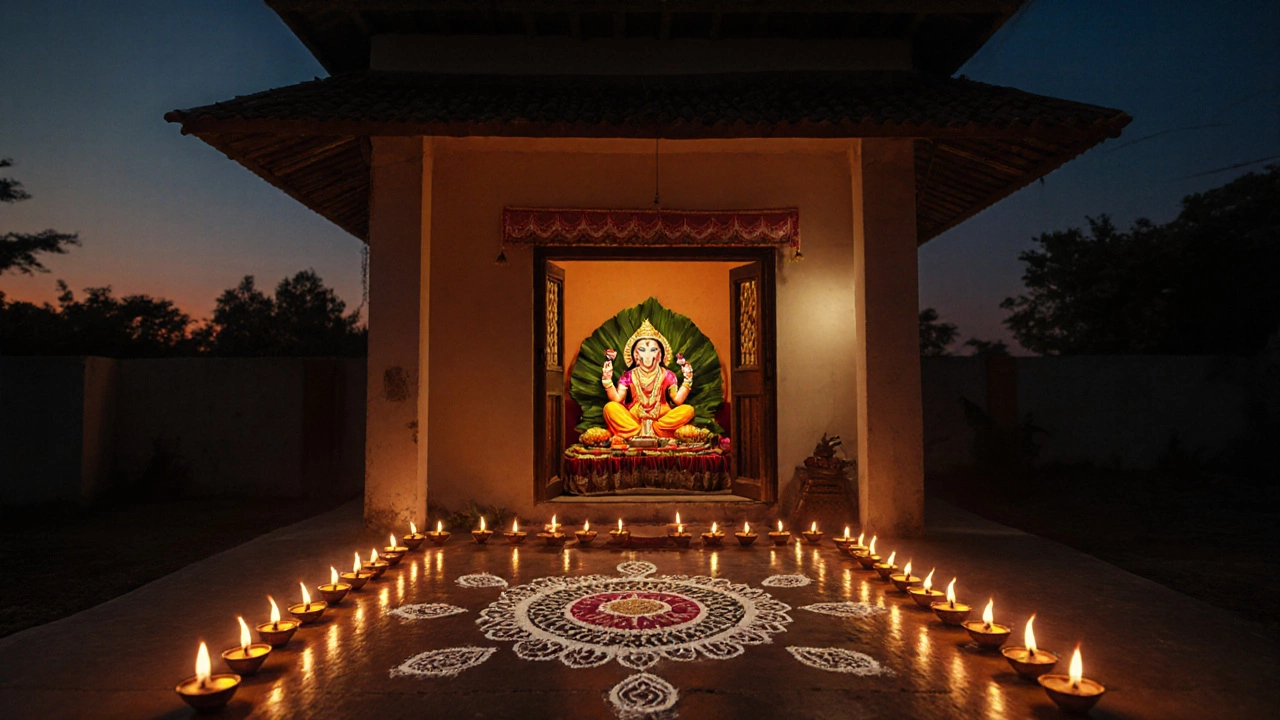
Do Tamils Celebrate Diwali? Answers and Traditions Explained
Explore how Tamil communities celebrate Diwali, the blend with Karthigai Deepam, key rituals, regional differences, and tips for experiencing Tamil Diwali worldwide.
When you think of Hindu festivals, annual religious and cultural observances rooted in ancient texts, seasonal cycles, and regional devotion. Also known as Hindu holidays, these events are not just rituals—they’re moments when communities come alive with light, music, food, and shared belief. Unlike holidays that are mostly about time off, Hindu festivals are deeply tied to stories, symbols, and daily life. They don’t just mark the calendar—they reshape it for a few days, turning streets into altars and homes into temples.
Take Diwali, the festival of lights celebrated across India and beyond, symbolizing the victory of light over darkness and knowledge over ignorance. It’s not just about fireworks and sweets—though those are part of it. In some places, it’s a day to honor Lakshmi for prosperity; in others, it’s a remembrance of Rama’s return. Then there’s Holi, the riotous spring festival where color becomes a language of joy, forgiveness, and renewal. It breaks down barriers—caste, class, age—turning everyone into participants in a shared, messy, beautiful moment. And Navaratri, a nine-night celebration honoring the divine feminine, often stretching to fifteen days in some regions, isn’t just about dancing. It’s about devotion, discipline, and the power of feminine energy in Hindu thought.
These festivals aren’t the same everywhere. What’s a family dinner in Tamil Nadu might be a temple procession in Gujarat. A simple oil lamp in one village could be a towering effigy in another. The music, the food, the rituals—they shift with the land, the language, the history. But the heart stays the same: connection. To ancestors. To nature. To each other. You’ll find posts here that explain why sweets are given during Diwali, why Navaratri lasts longer than you think, and how blue-skinned gods tie into the same spiritual world that celebrates these festivals. You’ll also see how these traditions live beyond India—in homes, kitchens, and hearts of the global Tamil and Hindu diaspora.
There’s no single way to experience a Hindu festival. But if you want to understand what makes them so powerful, you start by seeing them not as performances, but as living conversations between the past and the present. Below, you’ll find real stories, clear explanations, and the kind of details you won’t find in a tourist brochure—because these festivals aren’t meant to be watched. They’re meant to be felt.
Explore how Tamil communities celebrate Diwali, the blend with Karthigai Deepam, key rituals, regional differences, and tips for experiencing Tamil Diwali worldwide.