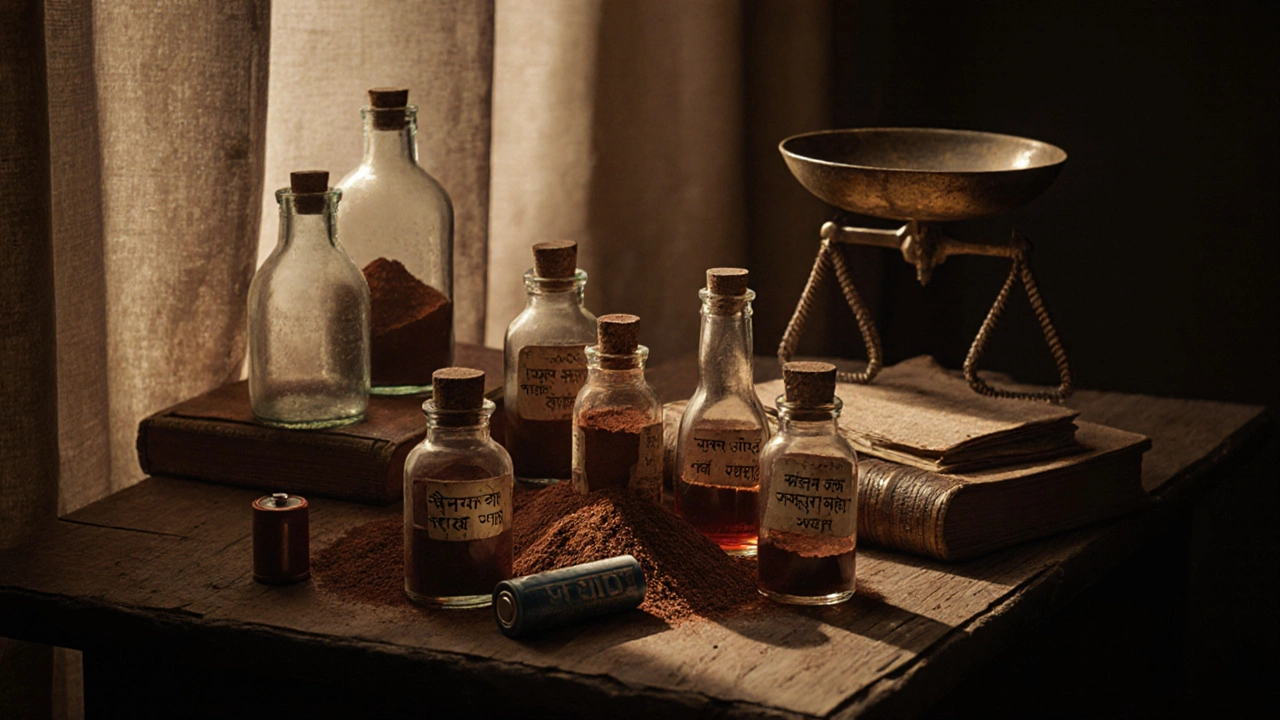
What Are the Risks of Ayurveda? Common Dangers and What You Need to Know
Ayurveda offers natural wellness, but hidden risks like heavy metals, herb-drug interactions, and unregulated products can be dangerous. Know the facts before you try it.
When people turn to herbal remedies, plant-based treatments used for centuries to support health and treat minor conditions. Also known as natural medicine, they're often seen as safer than pills—but that’s a dangerous assumption. Just because something comes from a plant doesn’t mean it’s harmless. Many herbs act like drugs in your body, and they can cause side effects, interfere with prescription meds, or even harm your liver or kidneys if used the wrong way.
Take Ayurvedic herbs, traditional medicinal plants used in South Asian healing systems like Ayurveda. Turmeric, ashwagandha, and triphala are popular for reducing inflammation or stress, but they can thin your blood, raise blood pressure, or trigger allergic reactions. A 2022 study from the Journal of Clinical Pharmacology found that over 1 in 10 people using herbal supplements for chronic pain had unexpected liver enzyme spikes. And if you’re on blood pressure medicine, antidepressants, or diabetes drugs? Some herbs can make those medications too strong—or cancel them out entirely.
Herbal interactions, how plant-based treatments affect other substances in your body are rarely listed on labels. St. John’s wort, often taken for mild depression, can make birth control pills useless. Ginseng can spike your heart rate if you’re already on stimulants. Even common herbs like garlic or ginger, which you might think are harmless, can increase bleeding risk before surgery. Most people don’t tell their doctors they’re taking herbal teas or capsules—until something goes wrong.
There’s no central registry tracking herbal side effects like there is for pharmaceuticals. That means you’re on your own to spot the warning signs: nausea, dizziness, skin rashes, trouble sleeping, or unusual fatigue. If you’ve started a new herb and feel off, stop it. Don’t wait. Talk to a pharmacist or doctor who understands both modern medicine and traditional remedies. They can help you sort out what’s safe, what’s risky, and what’s just folklore dressed up as science.
What you’ll find below isn’t a list of miracle cures. It’s a collection of real stories, warnings, and clarifications about what happens when people use herbal remedies without knowing the full picture. From confusion over Ayurvedic herbs to surprising reactions to common teas, these posts help you avoid the traps most people don’t even know exist. You don’t need to give up natural options—but you do need to understand the risks before you take them.
Ayurveda offers natural wellness, but hidden risks like heavy metals, herb-drug interactions, and unregulated products can be dangerous. Know the facts before you try it.