Gujarat Culture: Traditions, Festivals, and Daily Life in Western India
When you think of Gujarat culture, the rich, community-driven traditions of western India centered around language, faith, and seasonal rituals. Also known as Gujarati culture, it blends deep spiritual roots with lively public celebrations that shape daily life across cities and villages. Unlike the temple-centric rhythms of Tamil Nadu or the courtly music of Bengal, Gujarat’s identity is built on collective energy—family-run businesses, fast-moving fairs, and festivals that turn streets into stages.
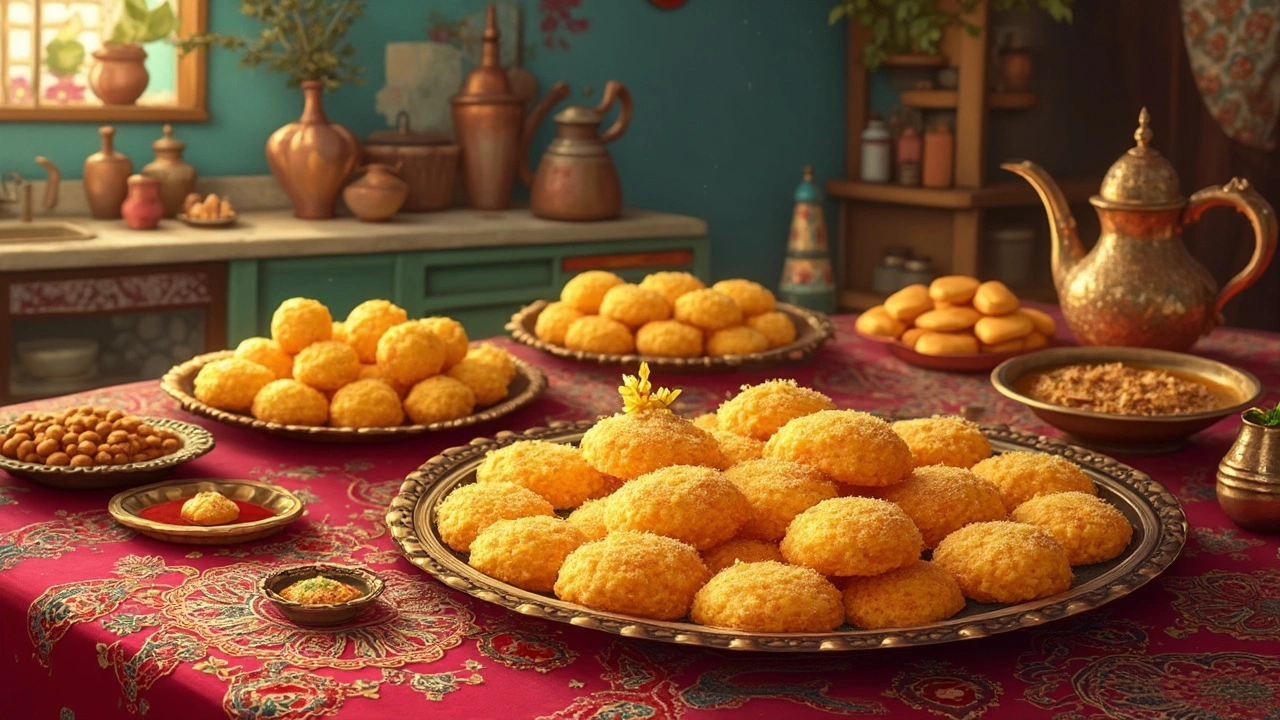
At the heart of this culture is Gujarati cuisine, a vegetarian-rich food tradition shaped by Jain principles, coastal access, and centuries of trade. Think dhokla, the steamed fermented snack eaten for breakfast, or undhiyu, a slow-cooked winter mix of tubers and beans that tastes like home. You won’t find meat-heavy dishes here, but you’ll find flavor in every spice blend, from cumin to asafoetida, passed down through generations of home cooks. This isn’t just food—it’s a daily ritual tied to seasons, fasting, and family.
Then there’s Gujarat festivals, a cascade of color, music, and devotion that turns the state into one long party. Navratri isn’t just a nine-night dance festival—it’s a state-wide obsession where millions wear bright chaniya cholis and dandiya sticks fly in perfect rhythm. Diwali here means fireworks over every rooftop, and Uttarayan, the kite festival, turns the sky into a living mosaic of paper and string. These aren’t performances for tourists; they’re how people connect, celebrate, and remember who they are.
And it’s not all noise and color. Behind the scenes, you’ll find quiet strength in Gujarati traditions, the quiet discipline of business families, the respect for elders, and the value placed on saving, trading, and self-reliance. This is the culture that gave India some of its most successful entrepreneurs—not because of luck, but because of habits built over centuries: early mornings, honest deals, and community trust.
What you’ll find in the posts below isn’t just a list of facts. It’s a real look at how people live—how a child learns to tie a dhoti, how a grandmother teaches the recipe for khandvi, how a village prepares for the annual Shree Swaminarayan temple fair. You’ll see how Gujarat culture isn’t frozen in time, but alive in every step, every bite, every song sung at dawn. No fluff. No guesswork. Just what matters.