Festivals in Tamil Culture: Traditions, Rituals, and Celebrations
When people talk about festivals, public celebrations rooted in religion, season, or community identity. Also known as religious or cultural holidays, they are the heartbeat of daily life in Tamil Nadu and among Tamil communities worldwide. These aren’t just days off—they’re moments when families light oil lamps, share sweets, sing ancient songs, and reconnect with generations of tradition. In Tamil culture, festivals aren’t borrowed from elsewhere; they’re lived, passed down, and sometimes even reinvented in quiet, personal ways.
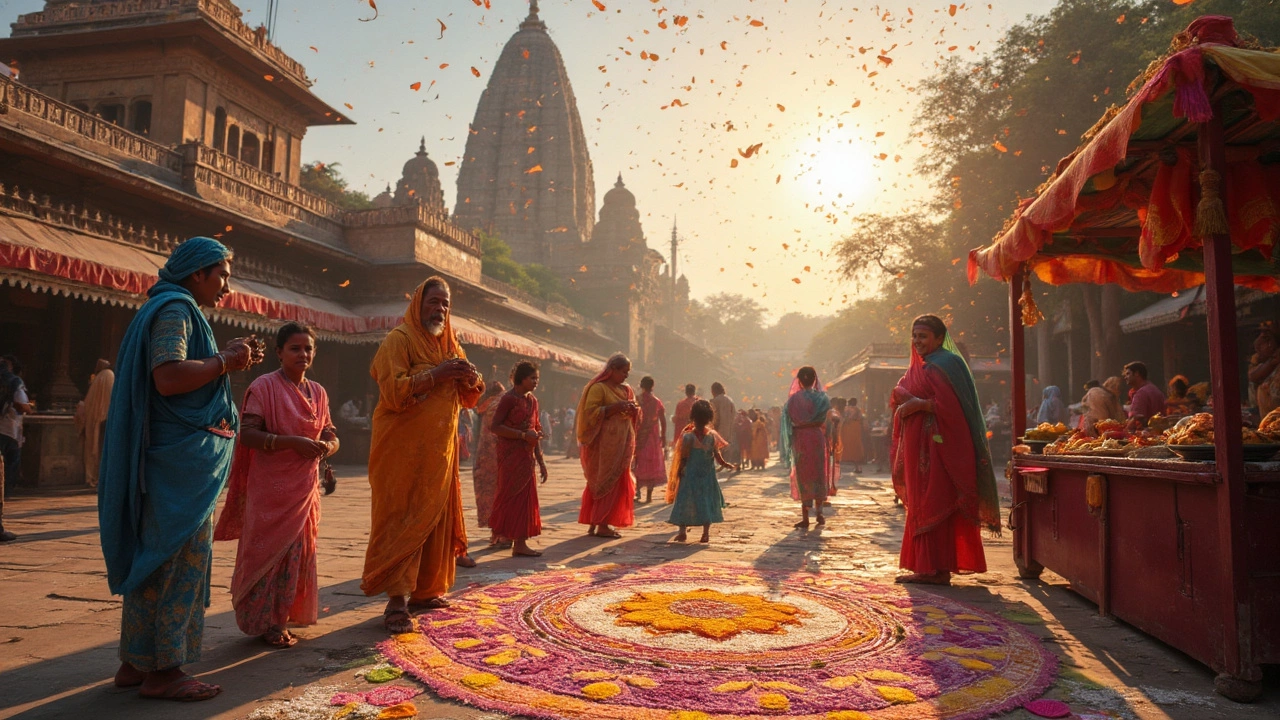
Take Diwali, the festival of lights celebrated across India. Also known as Deepavali, it’s widely observed in Tamil Nadu—but here, it often blends with Karthigai Deepam, a uniquely Tamil festival where homes are lit with hundreds of clay lamps. Also known as the Tamil Deepavali, it’s tied to the full moon in the month of Karthigai, and its rituals honor the divine light within. While Diwali focuses on Lakshmi and wealth, Karthigai Deepam is about Shiva’s cosmic form and the triumph of knowledge over ignorance. You’ll find families climbing hills to light giant lamps, not just decorating their doorsteps. Then there’s Pongal, a four-day harvest festival that thanks the sun, cattle, and nature. Also known as the Tamil New Year, it’s when rice boils over in clay pots, neighbors exchange sugarcane, and kolams—colorful floor art—come alive before sunrise. These aren’t tourist shows. They’re quiet, daily acts of devotion that hold families together.
What ties these together? It’s not just the rituals—it’s the rhythm. Festivals in Tamil culture follow the moon, the harvest, and the seasons. They’re tied to temple calendars, not government holidays. You won’t find them on a corporate calendar, but you’ll find them in the way a grandmother teaches a child to make sweet pongal, or how a village gathers to perform Theru Koothu, a folk theater that tells mythic stories through song and dance. Even when Tamils live abroad, they find ways to recreate these moments—lighting lamps in apartment balconies, sharing recipes over video calls, teaching kids the old songs. These festivals don’t fade with time; they evolve, but never lose their soul.
Below, you’ll find articles that dig into these traditions—why Tamils celebrate Diwali differently, how Karthigai Deepam outshines other light festivals, what makes Pongal more than just a harvest party, and how folk rituals like Karakattam turn dance into devotion. These aren’t just event guides. They’re windows into how culture lives, breathes, and stays alive—one lamp, one song, one meal at a time.