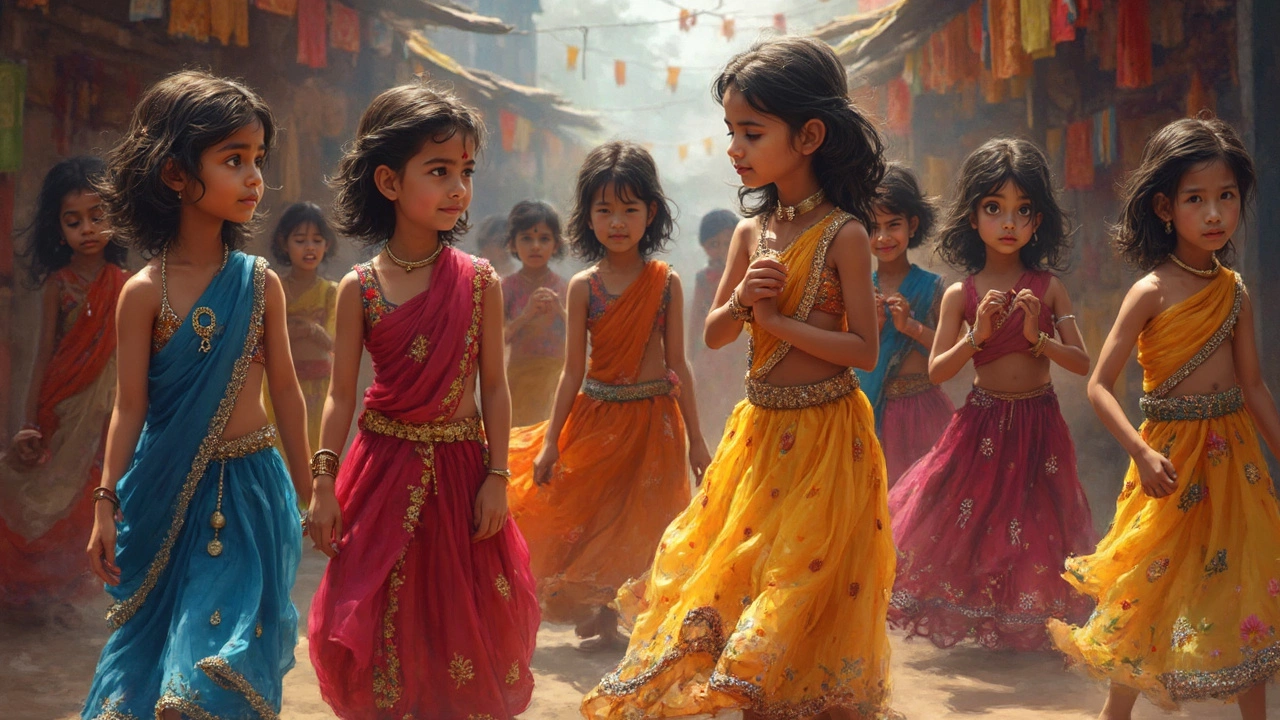
Ethnic Wear Women: Traditional Tamil Dresses and How They're Worn Today
When we talk about ethnic wear women, traditional clothing worn by women in Tamil communities, especially in Tamil Nadu and among the global Tamil diaspora. Also known as Tamil women's traditional attire, it's not just fabric—it's identity, heritage, and daily pride. Unlike mass-produced fashion, Tamil ethnic wear carries centuries of craft, from handwoven silk to hand-embroidered borders that tell stories of region, caste, and occasion.
At the heart of this tradition is the silk saree, a draped garment made from pure mulberry silk, often woven in Kanchipuram with gold zari threads. Also known as Kanchipuram saree, it's the go-to for weddings, temple visits, and festivals like Pongal. Then there's the Kasavu saree, a simple, off-white or cream saree with golden borders, worn by older women and during religious ceremonies. Also known as Kerala-style saree, it's common in Tamil households with Malayali roots and reflects a quiet elegance. These aren't costumes—they're living garments passed down, altered, and re-worn across generations. A grandmother’s saree might become a daughter’s wedding outfit, then a granddaughter’s daily wear with a modern blouse.
What makes Tamil ethnic wear different from other Indian styles? It’s the balance between ritual and routine. You’ll see women in Chennai’s markets wearing a lightweight cotton saree with a matching churidar, while in Madurai, brides still wear heavy Kanchipuram silks with matching temple jewelry. Even in the diaspora—London, Singapore, or Toronto—Tamil women choose ethnic wear for Diwali, Pongal, or family gatherings. It’s not about looking traditional; it’s about feeling connected.
There’s also a quiet revolution happening. Young designers are mixing Kasavu borders with crop tops, turning saree pallus into statement shawls, and using plant dyes instead of synthetic ones. These aren’t trends—they’re reclaims. The same hands that wove silk for temple rituals now stitch sustainable blouses for Instagram influencers. Ethnic wear women today aren’t stuck in the past—they’re reshaping it.
Below, you’ll find real stories and deep dives into how these clothes are made, worn, and loved—from the weaver’s loom to the wedding hall. Whether you’re curious about the difference between a Madurai silk and a Thanjavur cotton, or why a woman might wear a saree to the hospital after giving birth, the articles here answer it without fluff. This isn’t just fashion. It’s culture stitched into every thread.