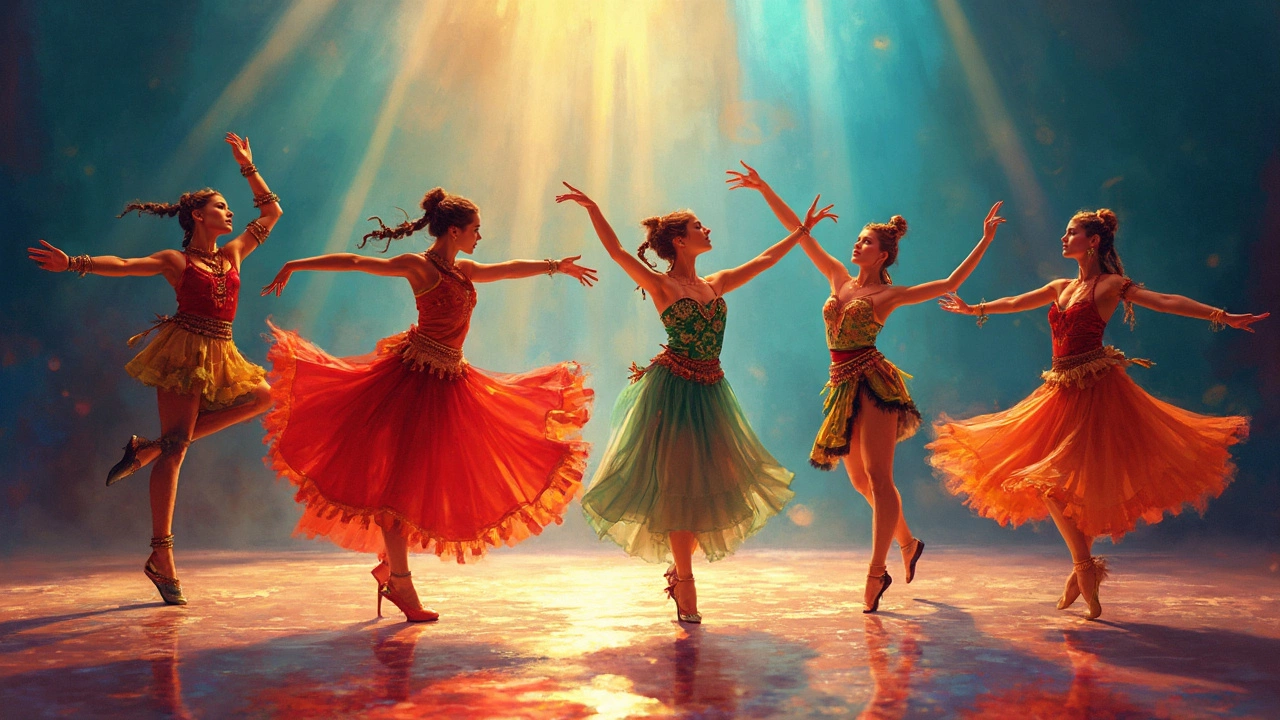
Dance Difficulty: Why Some Tamil Dances Are Harder Than They Look
When you see someone balancing a pot on their head while spinning in Karakattam, a traditional Tamil dance form that combines rhythmic footwork, precise balance, and devotional expression, it’s easy to think it’s just showmanship. But this isn’t theater—it’s athleticism wrapped in ritual. The dancer doesn’t just move to music; they hold their posture for minutes, carry weight, and maintain perfect rhythm—all while smiling. This is what dance difficulty really means in Tamil culture: not flashy moves, but silent endurance.
It’s not just Karakattam. Look at Theru Koothu, a street theater dance-drama from Tamil Nadu that blends martial movements, exaggerated expressions, and hours-long performances under the sun. Dancers wear heavy costumes, paint their faces with natural pigments, and perform through the night without rest. Then there’s Carnatic dance, the classical form rooted in temple rituals, where every finger flick, eye movement, and foot tap carries meaning. These aren’t hobbies. They’re disciplines passed down through generations, where one wrong step can break the rhythm of a ritual or disrespect a deity.
What makes these dances hard isn’t just the physical toll—it’s the mental load. You have to memorize dozens of rhythmic patterns, know the myth behind every gesture, and stay emotionally grounded even when exhausted. Unlike ballet or hip-hop, where mistakes can be masked, Tamil folk dances leave no room for error. The audience doesn’t just watch—they feel the effort. And if you’re dancing for a temple festival? There’s no do-over.
That’s why you rarely see teenagers mastering these forms. It takes years. It takes sacrifice. It takes family support, early mornings, and a deep connection to the culture behind the steps. But when you finally get it right—when the pot doesn’t fall, when the crowd falls silent in awe, when the drumbeat syncs with your heartbeat—that’s when you understand why people keep doing it. This isn’t about being the best dancer. It’s about honoring something older than you, bigger than you, and far more demanding than it looks.
Below, you’ll find real stories and deep dives into the dances that test the body, shape the spirit, and keep Tamil heritage alive—one step at a time.