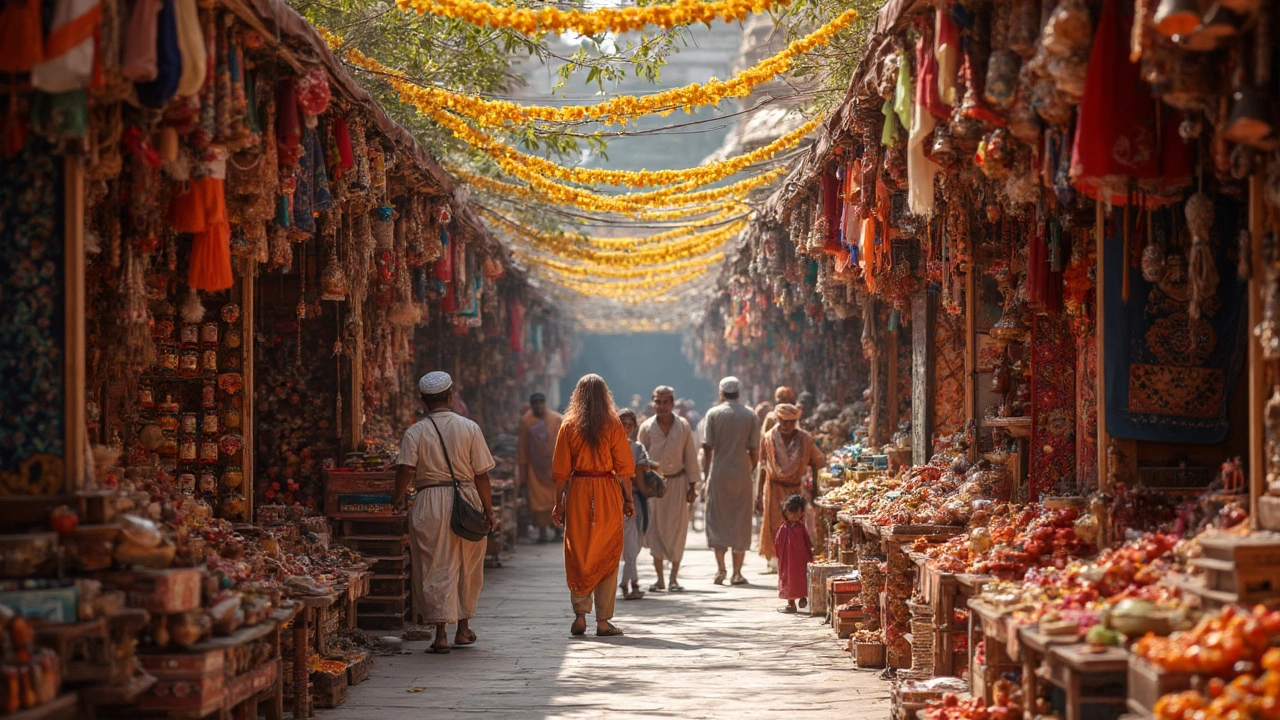
Cultural Crafts: Traditional Tamil Artisan Skills and Heritage Techniques
When you think of cultural crafts, handmade objects created with skill, tradition, and regional identity. Also known as folk art, they’re not just decorations—they’re stories stitched into cloth, molded into clay, and carved into wood. In Tamil Nadu, these crafts aren’t relics. They’re alive. Every morning, a potter in Kumbakonam shapes clay on a spinning wheel just as his grandfather did. Every evening, a weaver in Kanchipuram threads gold zari into silk, following patterns passed down for generations. These aren’t tourist souvenirs. They’re part of how people pray, celebrate, and remember who they are.
These cultural crafts tie directly to rituals, festivals, and daily life. Take Karakattam, a traditional dance where performers balance clay pots on their heads while dancing. Also known as pot dance, it’s performed during temple festivals to honor the goddess Mariamman. The pots themselves are made by local potters who use specific clay and firing methods only found in certain villages. Or look at Puliyattam, a folk performance where dancers paint themselves as tigers and move in rhythmic, wild patterns. The paint? Made from natural dyes—turmeric, charcoal, and crushed flowers—mixed by hand using recipes older than most modern towns. These aren’t performances for show. They’re acts of devotion, and the tools used in them are crafted by people who know the exact weight, texture, and smell of the materials.
There’s a quiet resistance here. While factories churn out mass-produced replicas, real Tamil crafts still rely on human hands, local materials, and oral knowledge. A single handloom sari can take weeks. A terracotta lamp for Karthigai Deepam is fired in a wood-burning kiln, not an electric one. These crafts require patience, precision, and a deep connection to place. They’re not just art. They’re memory made physical. And that’s why they survive—even when the world moves faster.
What you’ll find in the posts below are real stories from people who keep these crafts alive: the weavers, potters, mask makers, and dancers who don’t just preserve tradition—they breathe into it. You’ll learn how Diwali sweets are tied to clay dish making, why Tamil folk music uses instruments carved from specific woods, and how even nonsense singing has roots in rhythmic craft patterns. This isn’t a museum exhibit. It’s a living, breathing culture—and you’re invited to see it up close.