Bengal Culture: Festivals, Language, and Traditions of West Bengal
When you think of Bengal culture, the rich, expressive traditions of West Bengal and Bangladesh shaped by centuries of art, religion, and language. Also known as Bengali culture, it’s not just about food or music—it’s a living system of rituals, stories, and daily practices that bind communities together. This culture thrives in cities like Kolkata and villages along the Ganges, where festivals aren’t just events—they’re the heartbeat of the year.
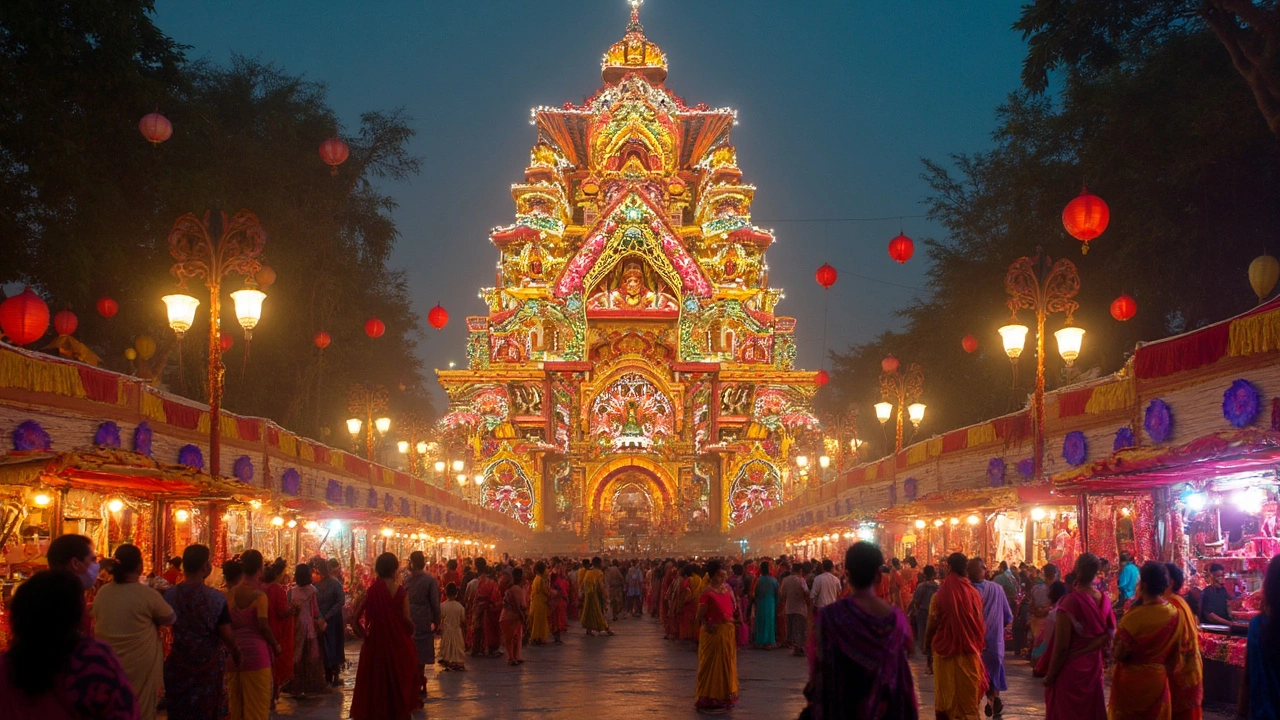
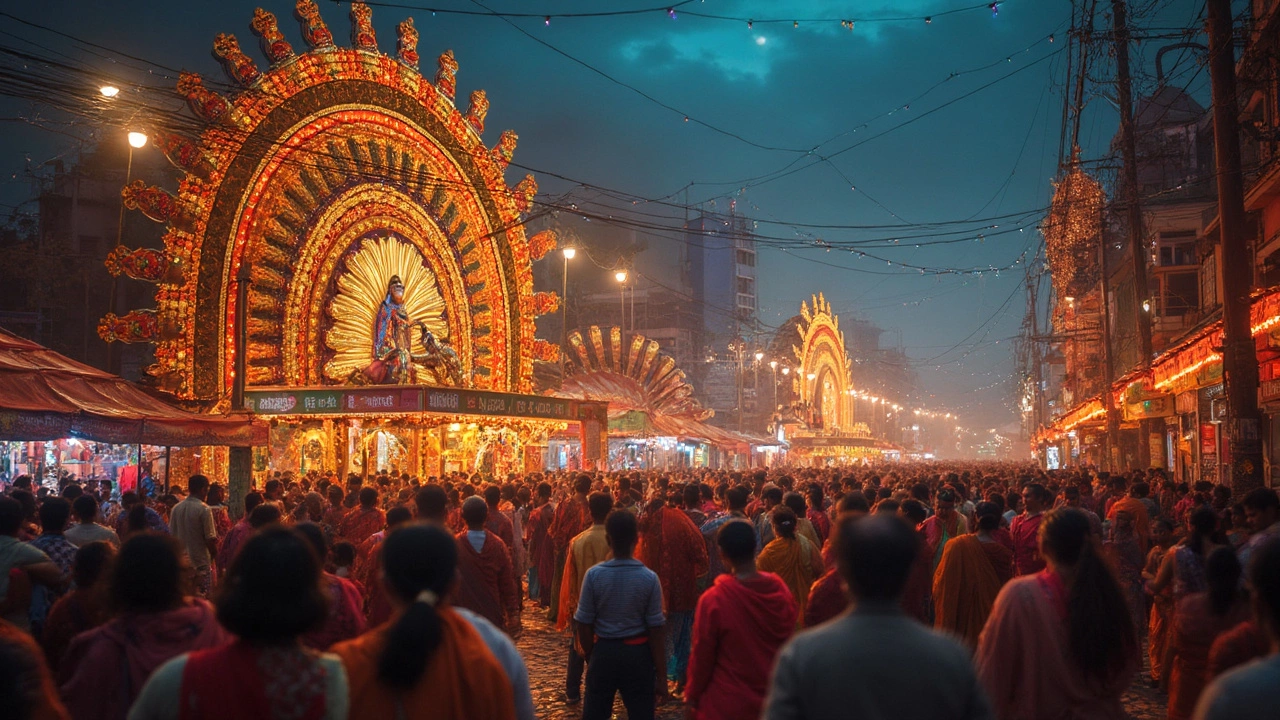
At the center of Bengal culture is Durga Puja, the grand 10-day festival honoring the goddess Durga, where neighborhoods transform into open-air temples with clay idols, music, and feasts. It’s more than worship; it’s a social spectacle that brings together artists, cooks, musicians, and families. Then there’s Poila Boishakh, the Bengali New Year, marked by new clothes, sweet rice, and family gatherings that reset the calendar and renew bonds. These aren’t isolated holidays—they’re part of a cycle that includes Saraswati Puja for learning, Kali Puja for transformation, and boat races that echo ancient river-based life.
The language of this culture is just as powerful. Bengali, a language with its own script, poetic history, and regional dialects, is spoken by over 230 million people. In Kolkata, you’ll hear it mixed with English, Hindi, and Urdu—each layer adding to the city’s unique rhythm. Unlike many regions where language fades with modernization, Bengali stays alive in songs, newspapers, street signs, and school lessons. Even in diaspora communities from London to Toronto, people teach their kids to say “Kemon acho?”—not just to speak, but to belong.
What ties all this together? A deep respect for creativity. Bengal culture doesn’t just celebrate tradition—it reinvents it. Rabindranath Tagore didn’t just write poems; he built a whole worldview. The clay idols of Durga Puja are now designed by digital artists. Folk songs blend with hip-hop. And yes, even the food—think luchi-alur dom, mishti doi, and hilsa fish—carries stories passed down through generations.
What you’ll find in the posts below isn’t just a list of facts. It’s a window into how Bengal culture lives today—through its festivals, its language, its food, and the quiet moments in between. Whether you’re planning a trip, researching heritage, or just curious about what makes this region different, these stories will show you why Bengal doesn’t just follow tradition—it breathes it.