India Beef Legality & Culture Checker
Walking into a restaurant in Mumbai or Delhi, you might notice something curious: the menu is split. One side lists chicken, fish, and mutton; the other, conspicuously absent, is beef. For a visitor from Brazil, Argentina, or even the United States, this absence can be confusing. Is it banned? Is it rare? Or is it just a cultural preference?
The short answer is yes, you can eat beef in India-but with major caveats that depend entirely on where you are standing. The long answer involves a complex web of religion, state-level legislation, political sentiment, and regional identity. Understanding these layers is crucial if you want to navigate the Indian food scene without causing offense or breaking the law.
The Religious Context: Why the Cow Matters
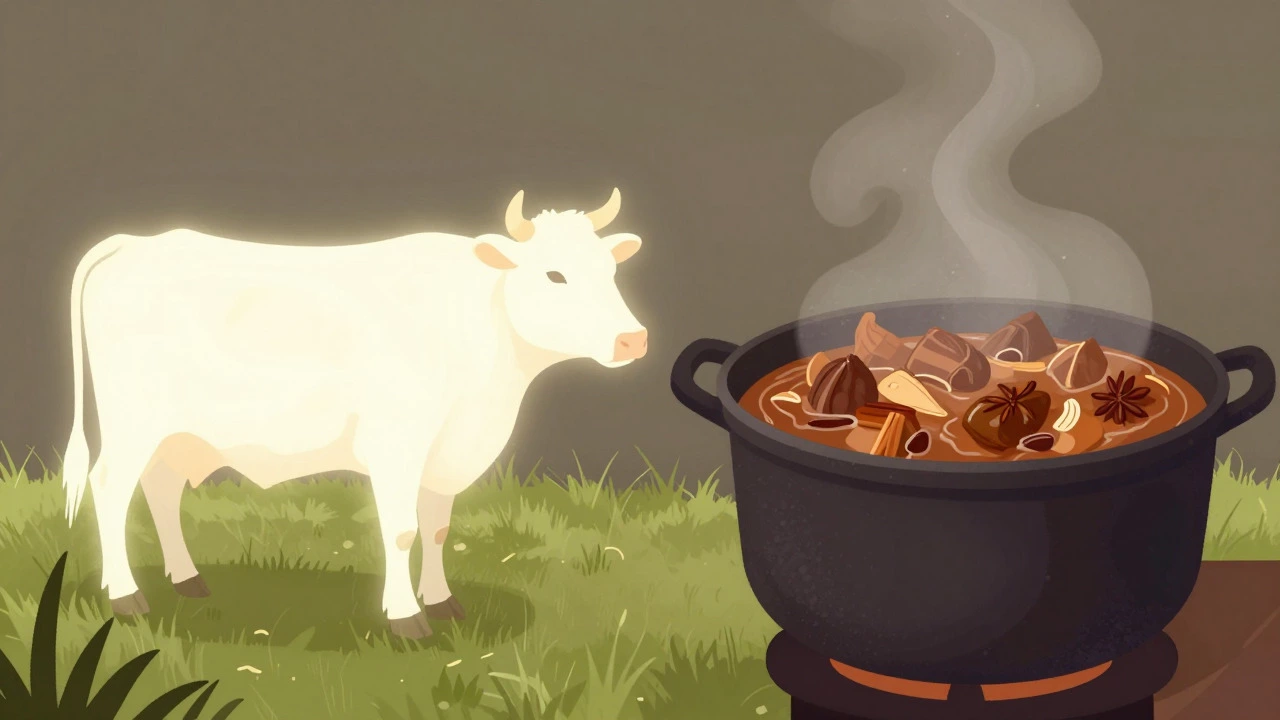
To understand beef in India, you first have to understand the cow. For Hindus, who make up about 80% of the population, the cow is sacred. It is not worshipped as a god, but it is revered as a symbol of non-violence (ahimsa) and motherhood. In traditional Hindu philosophy, the cow provides milk, ghee, dung (used as fuel and fertilizer), and urine (used in Ayurvedic medicine), all without taking life. This makes killing a cow for meat deeply controversial for many devout Hindus.
However, "Hindu" is not a monolith. While urban, middle-class Hindus often avoid beef out of respect or habit, rural populations have different practices. More importantly, other communities view beef differently. Muslims, Christians, Sikhs, and Buddhists do not have religious prohibitions against eating beef. In fact, beef has been a staple protein source for lower-income families across these communities for centuries due to its affordability compared to mutton or chicken.
Do all Hindus avoid beef?
No. While many Hindus avoid beef out of reverence for the cow, others, particularly in tribal communities and certain regions like Kerala and Northeast India, consume it regularly. Dietary habits vary significantly by caste, region, and individual belief.
The Legal Landscape: State vs. Central Law
This is where things get tricky. There is no single national law banning beef in India. Instead, regulations are decided at the state level. This creates a patchwork of rules that can change drastically as you cross state borders.
In states with significant Hindu populations and strong political support for cow protection-such as Gujarat, Rajasthan, Madhya Pradesh, Uttar Pradesh, and Haryana-the slaughter of cows is strictly prohibited. In some of these states, even possessing beef can lead to legal trouble under anti-cow-slaughter acts. These laws are often enforced vigorously, sometimes leading to social tensions.
Conversely, in states like West Bengal, Kerala, Tamil Nadu, and the northeastern states (Assam, Meghalaya, Nagaland, etc.), beef is widely consumed and legally sold. Here, you will find beef curries, kebabs, and steaks on menus alongside vegetarian options. In Kerala, for instance, beef fry is a beloved dish served during festivals and family gatherings.
| Region | Legal Status | Cultural Acceptance |
|---|---|---|
| Northern India (UP, MP, Rajasthan) | Banned or Restricted | Low among Hindus; common among minorities |
| Western India (Gujarat, Maharashtra) | Mixed (Cow banned, Buffalo allowed in MH) | Varies; Vada Pav (with beef variant) popular in Mumbai |
| South India (Kerala, TN, Karnataka) | Legal | High; integral to local cuisine |
| Northeast India | Legal | Very High; central to tribal diets |
Cow vs. Buffalo: The Culinary Distinction
A critical distinction in Indian beef discourse is between cow meat and buffalo meat. Because the cow is protected in many states, the meat industry largely relies on water buffaloes. Buffalo meat is leaner, darker, and tougher than cow meat, requiring slow cooking methods like stewing or braising.
In restaurants, especially in cities like Mumbai, you might see "Keema" (minced meat) dishes. Unless specified, this is often buffalo mince. In Kerala, "Beef Fry" is almost always made from buffalo meat. This technicality allows many Indians to enjoy beef-like flavors while adhering to religious sentiments about protecting the indigenous cow breed.
If you are ordering in a multi-ethnic city, don't hesitate to ask what kind of meat is used. Most chefs are happy to clarify whether it's cow, buffalo, or goat. This transparency helps both the eater and the server navigate cultural sensitivities.
Regional Food Scenes: Where to Find Beef
If you're traveling and craving beef, your best bets are specific regions known for their robust meat-eating cultures.
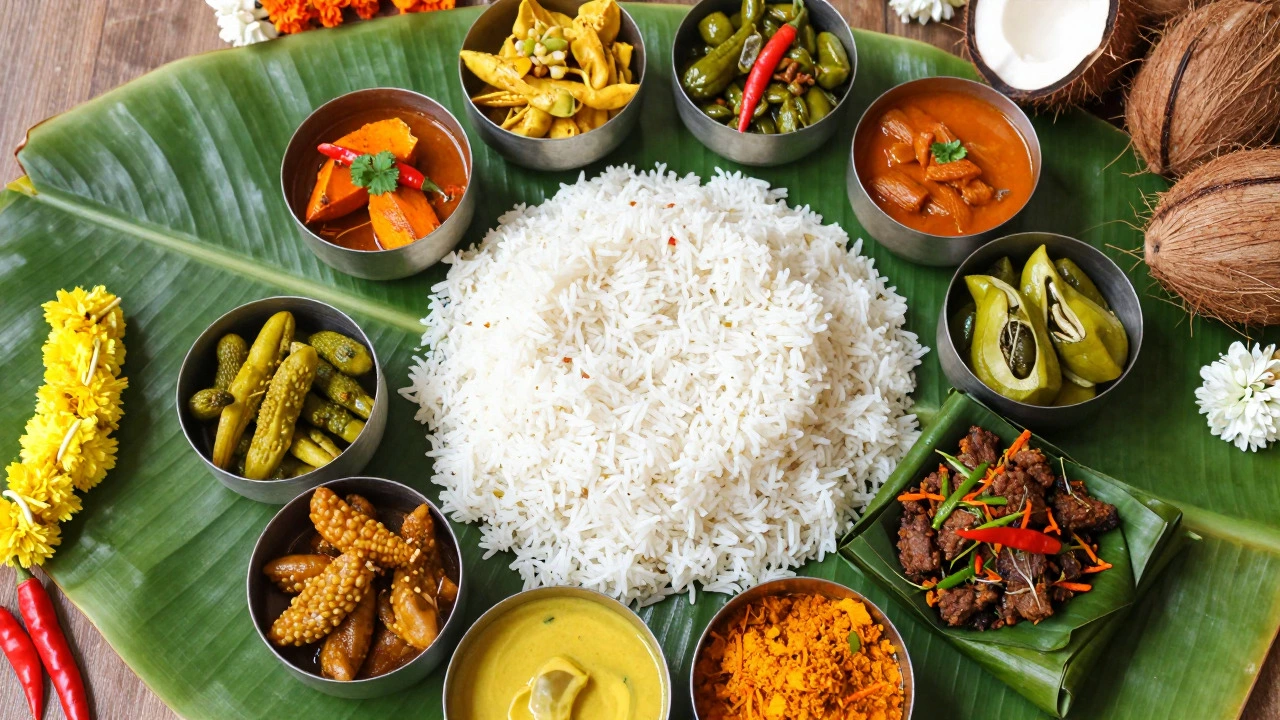
- Kerala: Known for spicy beef stews and fried beef. Try "Beef Pollichathu" (beef wrapped in banana leaf and grilled).
- Northeast India: States like Nagaland and Meghalaya serve smoked pork and beef. The flavors are distinct, often using local herbs and chilies.
- West Bengal: Kolkata has a rich tradition of beef biryani and kebabs, influenced by Mughlai and British colonial history.
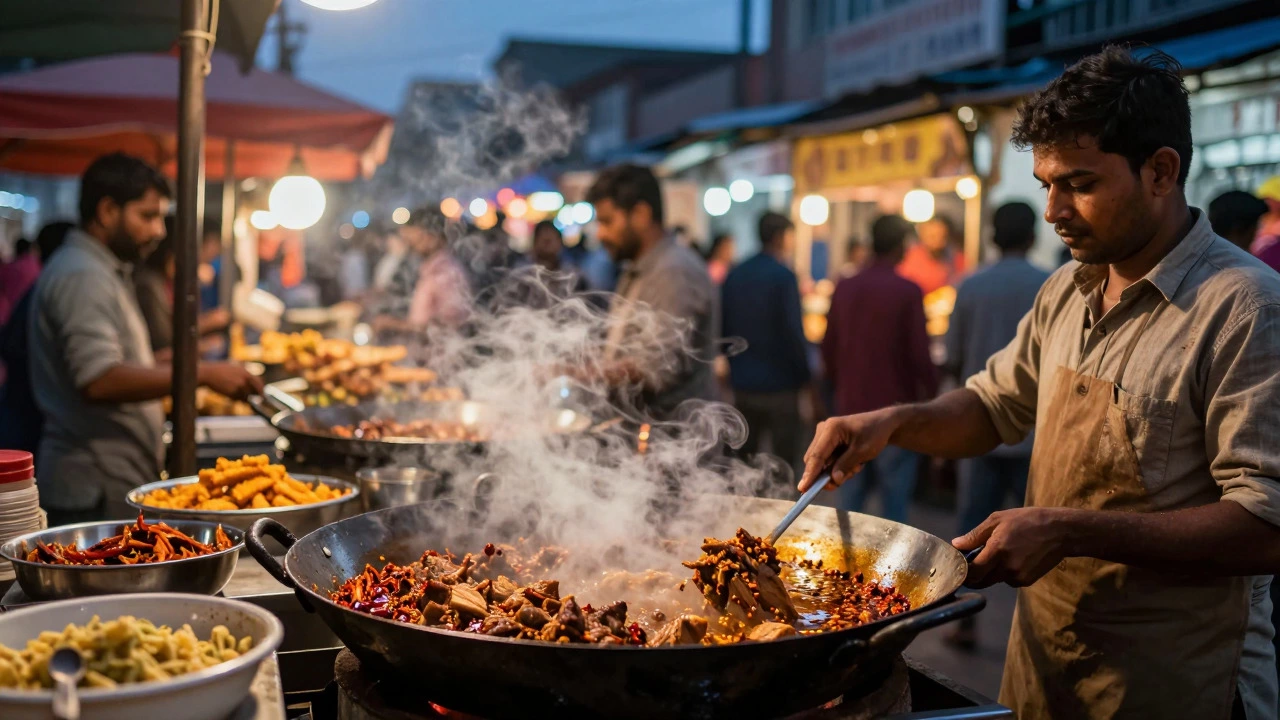
- Mumbai: As a cosmopolitan hub, Mumbai offers everything from street-side beef vadas to high-end steakhouses. However, check the neighborhood; some areas are more conservative than others.
In contrast, visiting a temple town in Tamil Nadu or a pilgrimage site in Uttar Pradesh means sticking to vegetarian fare. Even hotels near temples often serve only vegetarian food to respect pilgrims' vows.
Social Sensitivities and Etiquette
Eating beef in India isn't just a legal issue; it's a social one. In recent years, "cow vigilante" groups have emerged, sometimes attacking people suspected of transporting or consuming beef. While these incidents are not everyday occurrences, they highlight the emotional charge surrounding the topic.
As a visitor or resident, practice discretion. Avoid discussing beef consumption loudly in mixed company, especially in conservative areas. If you invite someone to dinner, ask about their dietary preferences beforehand. Assuming everyone eats meat-or assuming everyone avoids beef-is a recipe for awkwardness.
Also, be mindful of language. In some contexts, referring to beef simply as "meat" or "goat" (even if it's buffalo) can help avoid unnecessary friction. Locals often use euphemisms to keep peace in diverse settings.
Health and Nutritional Perspectives
From a health standpoint, beef (especially buffalo) is a good source of protein, iron, and zinc. In a country where anemia is prevalent, especially among women and children, affordable meat sources play a vital role in nutrition. Critics of cow protection laws argue that banning cow slaughter wastes resources, as old or infertile cows still need care. Proponents argue that protecting the cow preserves ecological balance and cultural heritage.
For vegetarians, India offers the world's most sophisticated plant-based cuisine. But for non-vegetarians, beef remains a valid, delicious, and culturally significant option-if you know where and how to look.
Practical Tips for Travelers
- Check the State Laws: Before traveling, research the current beef laws in your destination. Rules can change with new government policies.
- Ask Questions: Don't be shy. Ask your host or waiter what type of meat is used. Most people appreciate your curiosity.
- Respect Local Norms: If you're staying with a Hindu family that doesn't eat beef, honor their choice. It's a sign of respect, not just dietary preference.
- Explore Street Food Wisely: In cities like Mumbai and Kolkata, street vendors sell beef snacks. Ensure hygiene standards are met, as street food carries higher risks.
- Look for Labels: Some packaged foods label ingredients clearly. Look for "buffalo meat" or "beef" depending on availability.
The Future of Beef in India
The debate over beef in India is far from settled. Political parties continue to use cow protection as a campaign tool, while activists push for deregulation. Meanwhile, younger generations are increasingly open to diverse diets, blending global trends with local traditions.
Plant-based alternatives are also gaining traction, offering a compromise for those who love the taste of beef but want to reduce environmental impact or adhere to religious beliefs. Companies are developing lab-grown meat and plant-based burgers tailored to Indian spice profiles.
Ultimately, whether you can eat beef in India depends on geography, politics, and personal relationships. By understanding the context, you can enjoy India's culinary diversity with confidence and respect.
Is beef illegal in all of India?
No. Beef legality varies by state. It is banned in many northern and western states but legal in southern and northeastern states like Kerala, West Bengal, and Assam.
What is the difference between cow and buffalo meat in India?
Cow meat is often restricted due to religious sentiments, while buffalo meat is widely available and consumed. Buffalo meat is leaner and requires slower cooking methods.
Can tourists eat beef in India?
Yes, tourists can eat beef in states where it is legal. However, they should be aware of local customs and potential social sensitivities in conservative areas.
Why is the cow considered sacred in India?
In Hinduism, the cow symbolizes non-violence and generosity, providing milk and other products without being killed. This reverence influences dietary choices for many Hindus.
Where is beef most commonly eaten in India?
Beef is most commonly eaten in Kerala, West Bengal, and the northeastern states. It is also available in major metropolitan areas like Mumbai and Delhi, though with varying degrees of restriction.