Indian Culture: Festivals, Traditions, and Daily Life Across India
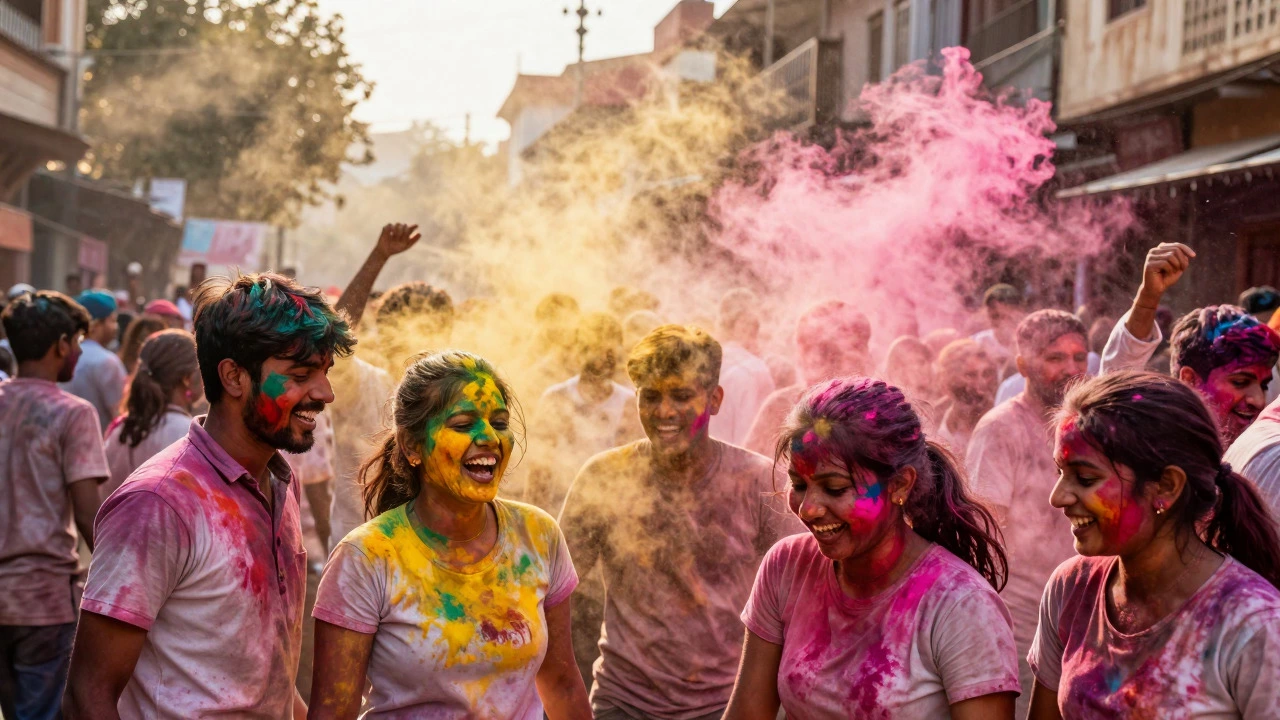
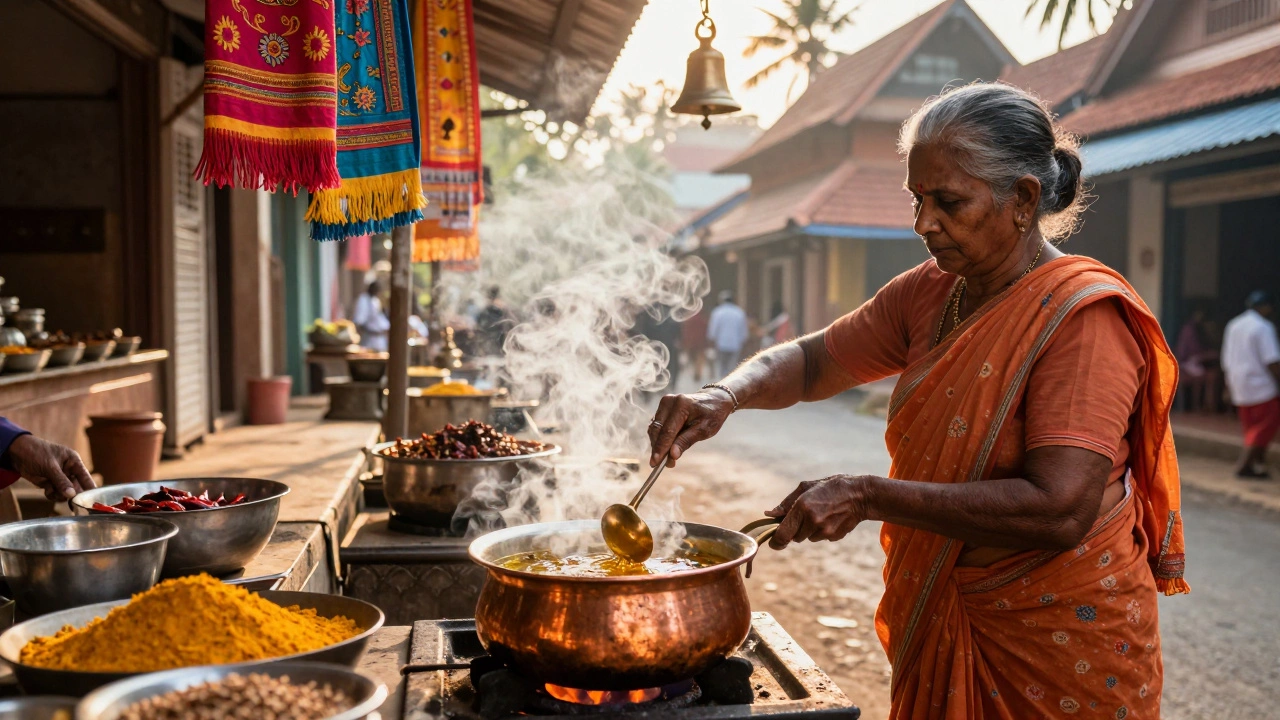
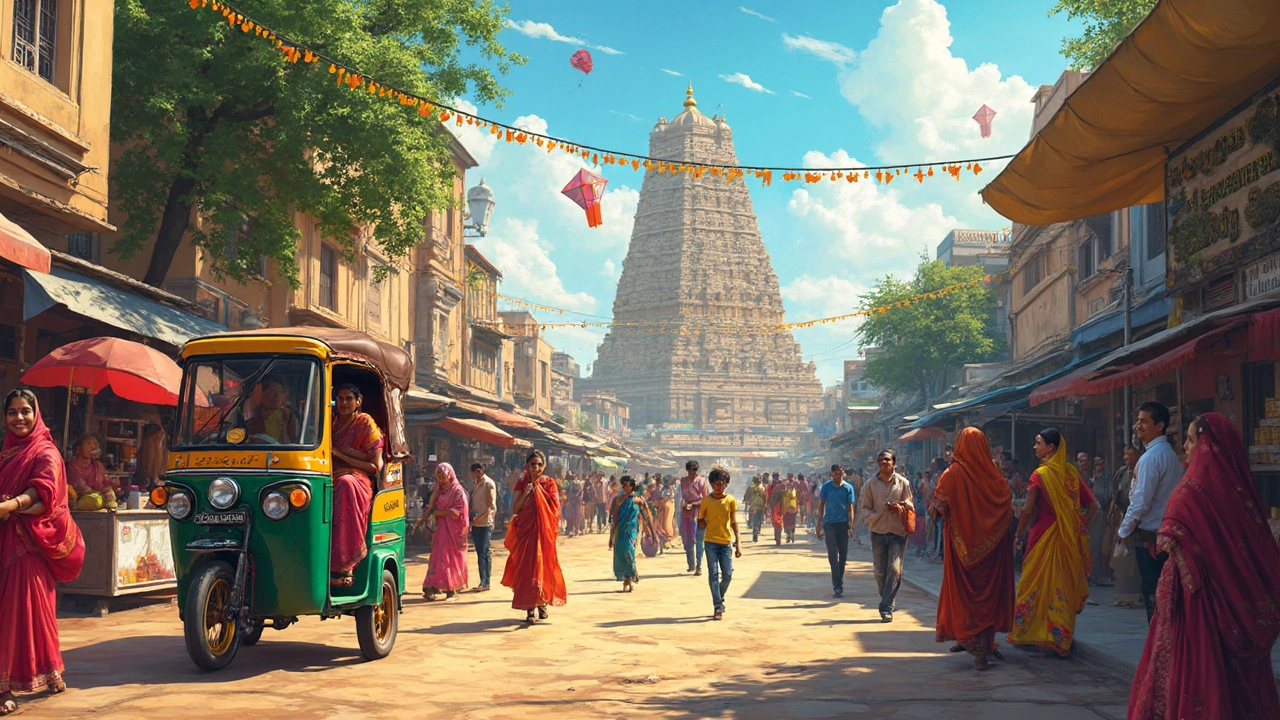
When you think of Indian culture, the rich, layered traditions of a country with hundreds of languages, religions, and customs that have evolved over millennia. Also known as South Asian culture, it's not a single story—it's dozens, each with its own rhythm, food, and way of honoring life. It’s the sound of bells at a temple in Tamil Nadu, the burst of color during Holi in Punjab, the quiet hum of a veena in a Chennai home, and the smell of turmeric and cumin rising from a kitchen in Bengal.
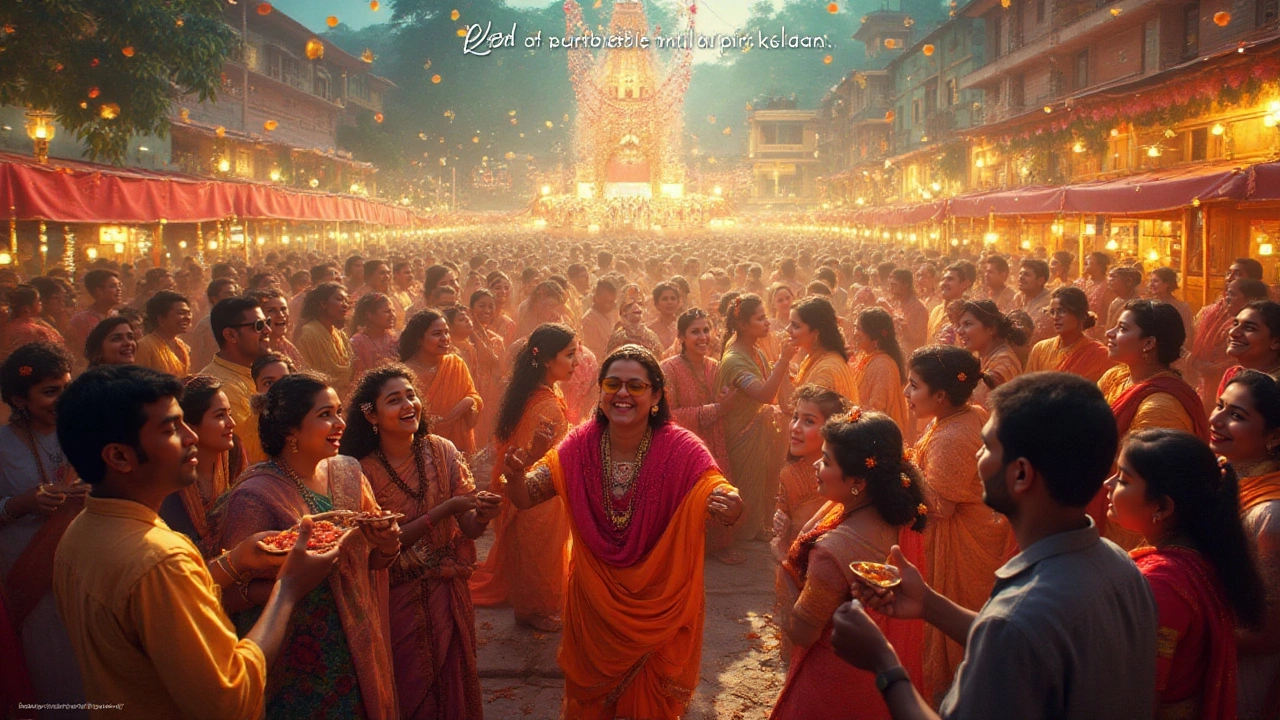
Indian culture isn’t just about grand festivals like Diwali, the festival of lights celebrated across India with oil lamps, sweets, and family gatherings, or Navratri, a nine-night celebration of devotion, dance, and divine energy, especially strong in Gujarat and Tamil Nadu. It’s also in the small things: the way people avoid eating beef in many parts of the country, the unspoken rules about sharing food, or how nonsense singing—called bol banao, a rhythmic, wordless vocal tradition used in rural folk music—carries emotion better than lyrics ever could. Even the color blue on statues of Krishna and Shiva isn’t random; it’s a symbol of the infinite, rooted in ancient spiritual texts.
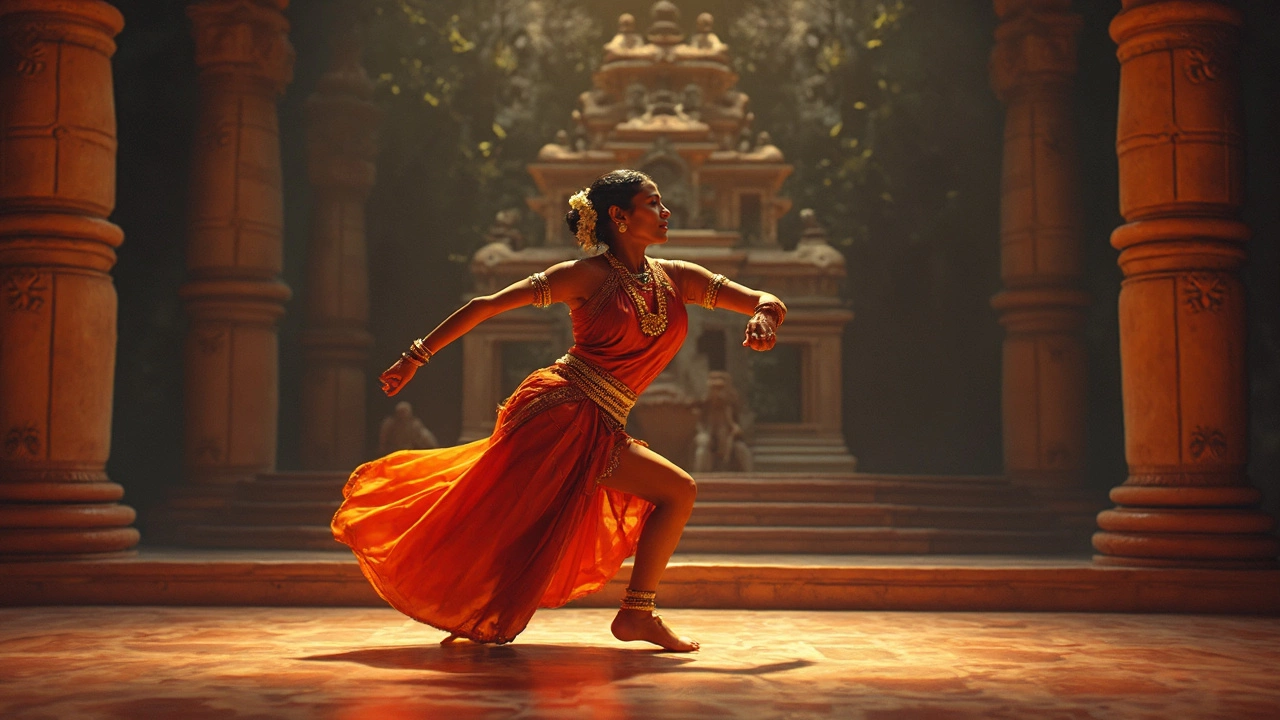
Music, too, has two great branches: the northern Hindustani, a style shaped by Persian influences and courtly traditions, and the southern Carnatic, a devotional form tied to temple rituals and precise rhythmic structures. And while one person might celebrate Diwali with fireworks, another in Tamil Nadu might light oil lamps for Karthigai Deepam, a quieter but no less sacred event. Food taboos vary wildly too—what’s sacred in one state might be everyday in another. You won’t find beef in most Hindu homes, but fish is central to Bengali meals. Ayurveda offers wellness, but it’s not without risks—some herbal mixes contain heavy metals, and not all practitioners are regulated.
This collection doesn’t just list events or customs. It shows how culture lives—in the dance of Puliyattam in Tamil villages, in the songs of Punjabi farmers, in the silence before a prayer, in the way a grandmother teaches her granddaughter to make sweets for Diwali. You’ll find answers to questions like: Why are Indian gods blue? Do Tamils celebrate Diwali? What’s the real story behind the Jalpari? And yes, even why the Catholic Church has concerns about yoga. These aren’t random facts. They’re threads in a much larger tapestry—one that’s still being woven today, in cities and villages, by people who carry their heritage without needing to explain it.