India: Culture, Traditions, and Daily Life in the World's Largest Democracy
When you think of India, a diverse South Asian nation with over 2,000 distinct ethnic groups and 22 officially recognized languages. Also known as Bharat, it's a place where ancient rituals shape modern life, and where every village has its own song, story, and spice. This isn’t just a country—it’s a collection of countless worlds, each with its own way of praying, dancing, eating, and celebrating.
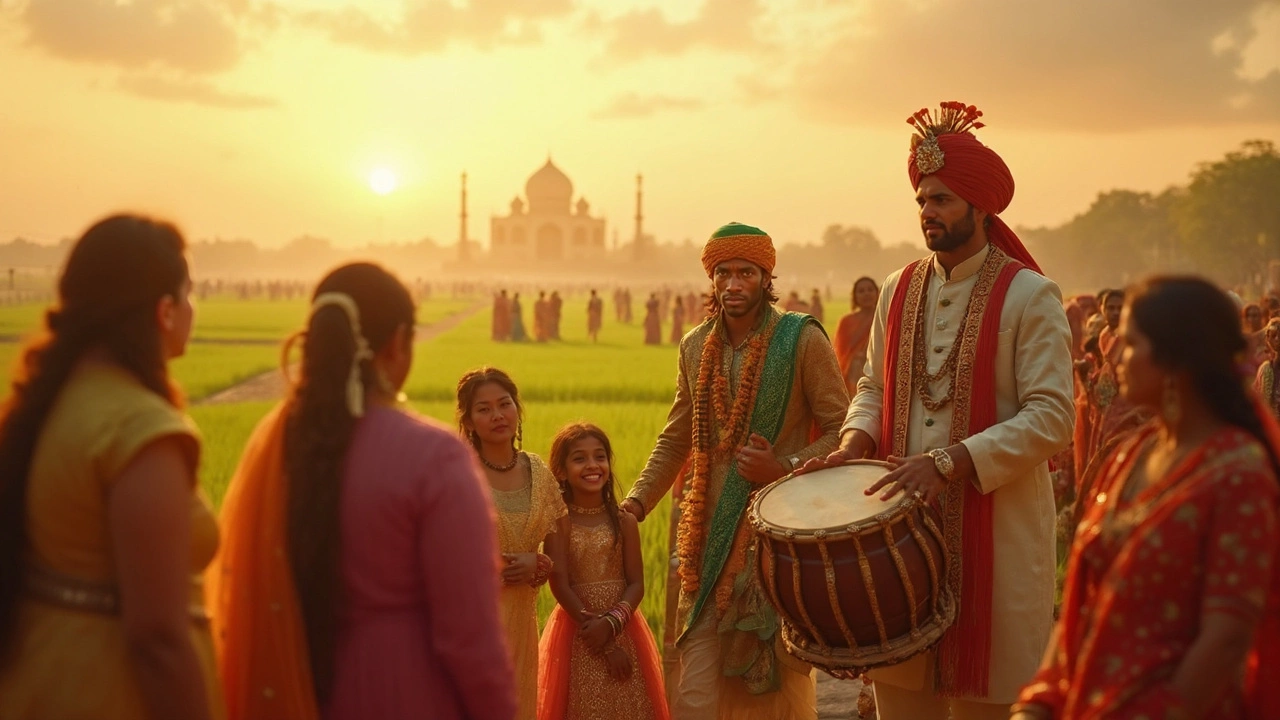
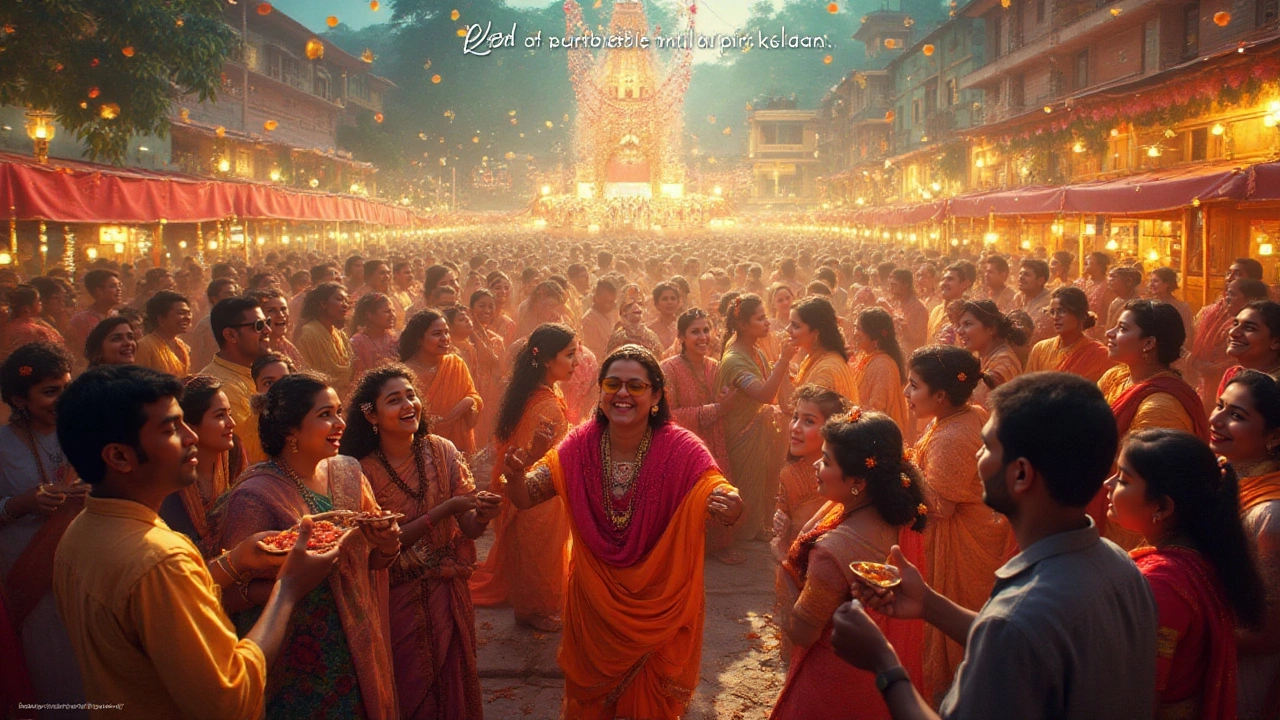
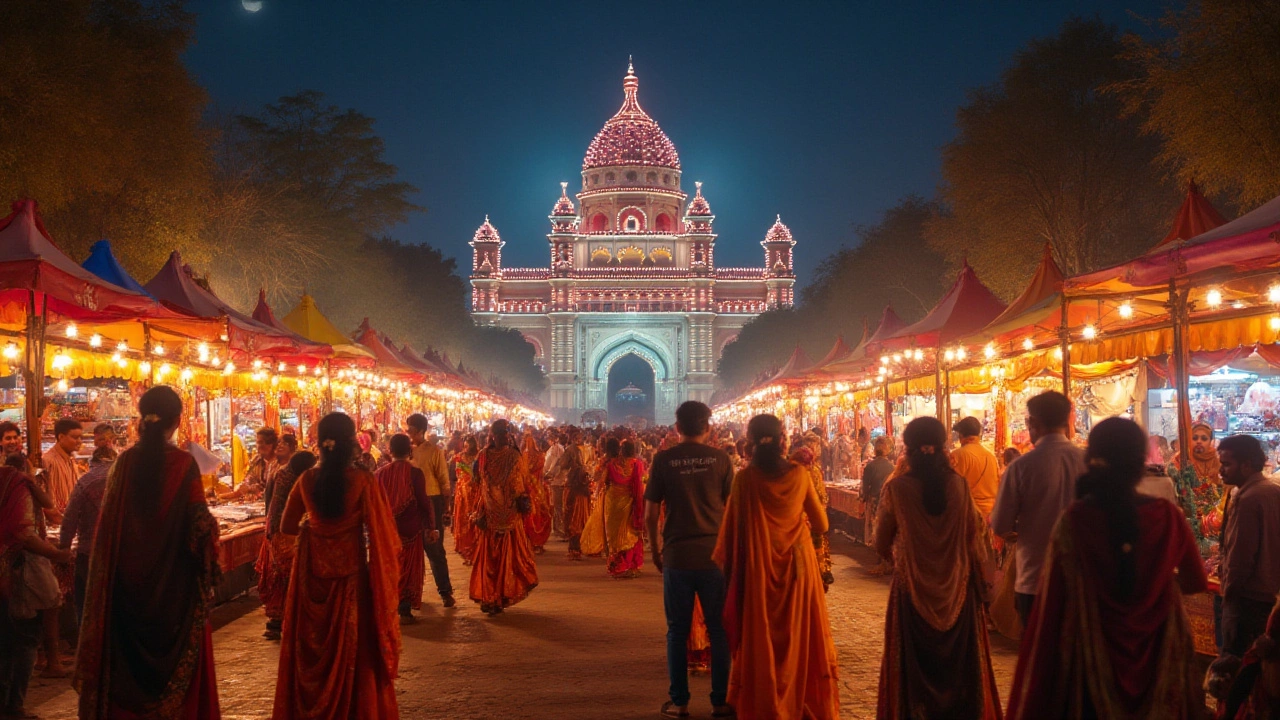
At the heart of India’s cultural identity are its Hindu festivals, annual events tied to mythology, seasons, and community. Diwali lights up homes from Delhi to Dindigul, while Navratri turns streets into dance floors for nine nights straight. But not everyone celebrates them the same way. In Tamil Nadu, Diwali blends with Karthigai Deepam, where oil lamps glow on rooftops instead of fireworks. These aren’t just holidays—they’re living traditions passed down through generations, shaped by local gods, local foods, and local rhythms.
Then there’s the music. While North India hums with sitars and tabla in Hindustani classical music, a tradition shaped by Mughal courts and Persian influences, the South keeps its soul in the temple courtyards with Carnatic classical music, a devotional art form rooted in Tamil Nadu’s spiritual heritage. And beyond the concert halls, in rural villages, people sing bol banao, a rhythmic, wordless vocal style used in farming and festivals—not because it’s easy, but because it carries emotion no words can hold.
India’s stories don’t stop at gods and music. Its folklore is full of hidden beings—like the Jalpari, a water spirit from Tamil and Bengali legends, often called the Indian mermaid—and food rules that vary by caste, region, and religion. Some won’t touch beef. Others avoid onions during fasting. In some homes, sweets are given to bring luck. In others, they’re offered to the gods first. These aren’t random customs. They’re maps to how people see the world.
And it’s not all ancient history. India’s modern life is shaped by laws like the Digital Personal Data Protection Act, by rising divorce rates in cities, and by young people rethinking yoga’s spiritual roots. The country holds contradictions: it’s one of the fastest-growing economies, yet half its population still lives in villages. It’s home to the world’s most expensive song earnings, but also to forgotten folk singers whose voices echo in monsoon rains.
What you’ll find here isn’t a tourist brochure. It’s a real look at what makes India tick—the rituals people don’t talk about, the songs they sing when no one’s listening, the foods they refuse to eat, and the colors they paint their gods because the sky, they say, is where divinity begins.