Language of Music: How Sound Shapes Culture and Identity
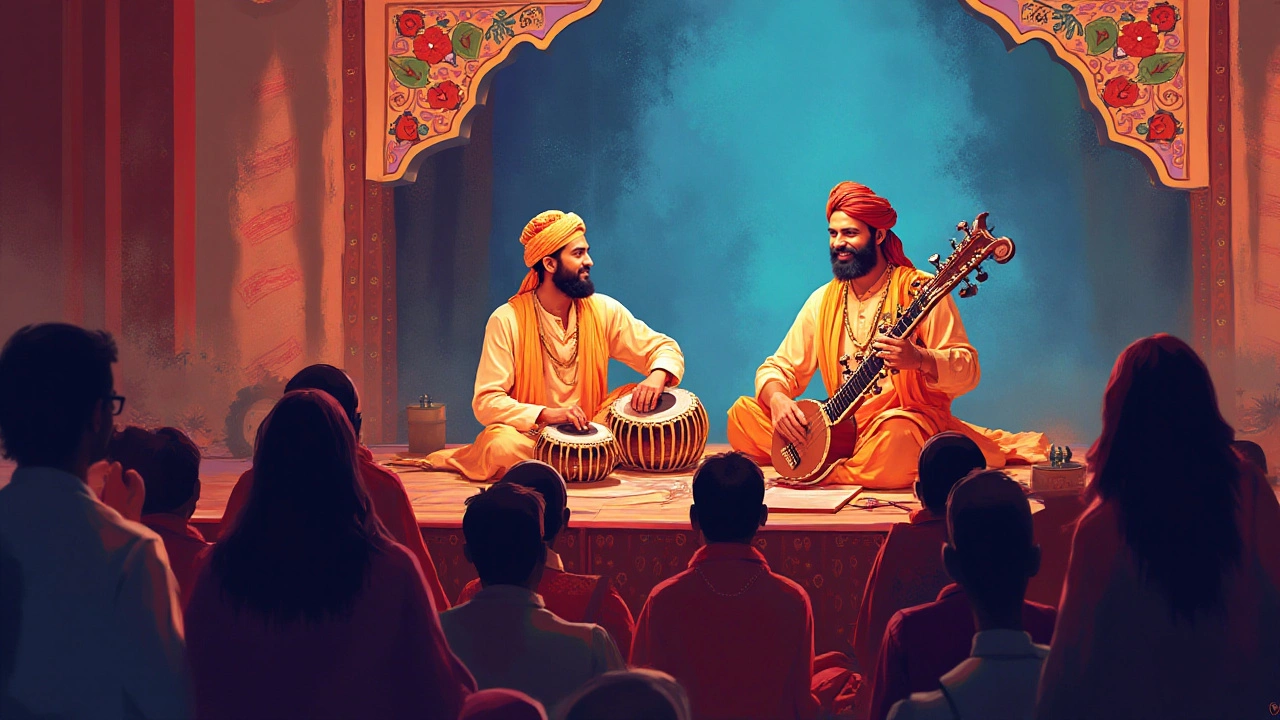
When we talk about the language of music, a system of sound patterns that conveys meaning without words. Also known as musical expression, it’s how people speak when words aren’t enough—especially in cultures where song is woven into daily life. In Tamil Nadu, this language isn’t learned in classrooms. It’s heard in temple chants, village festivals, and mothers humming lullabies that carry centuries of tradition. Unlike written language, it doesn’t need translation—it moves through the body before it reaches the mind.
The Carnatic music, a classical system from South India rooted in devotion and intricate rhythm is one of the most structured forms of this musical language. It uses ragas to evoke emotion and talas to lock time into place. But beneath its formal rules lies something wilder: bol banao, a folk vocal tradition using nonsense syllables to create rhythm and feeling. You’ll hear it in harvest songs, temple processions, and even children’s games. It’s not random noise—it’s emotional code. Each "dha dhi na" carries meaning passed down through generations, just like a word in any spoken tongue.
This musical language doesn’t stay in one place. It flows into other traditions too. In the same way that Bengali songs use folk melodies to tell stories of rivers and rain, Tamil music uses percussion and voice to honor gods like Murugan or celebrate the monsoon. The Indian folk songs, unwritten, unpolished, and deeply personal are where the language of music feels most alive—raw, unfiltered, and tied to the land. These aren’t performances for stages. They’re acts of memory, prayer, and survival.
What makes this language powerful isn’t complexity—it’s connection. A single drumbeat can signal a wedding, a funeral, or a harvest. A rising note in a Carnatic raga can make you cry without knowing why. And when you hear a Tamil grandmother hum a tune her own mother sang, you’re not just hearing music—you’re hearing time itself.
Below, you’ll find articles that dig into this living language: how it’s shaped by religion, how it survives in modern cities, and how even "nonsense" singing holds the weight of history. Whether you’re curious about the drums behind Theru Koothu, the hidden meanings in folk melodies, or why South Indian music sounds so different from the North—you’ll find answers here. No theory. No fluff. Just the real sounds that keep Tamil culture breathing.
Hindustani classical music, a profound art form from northern India, uses several languages, each lending a unique charm and expression. Predominantly, songs are composed in languages such as Hindi, Urdu, Braj Bhasa, and Awadhi, reflecting the cultural diversity of the region. This musical tradition, deeply intertwined with historical and spiritual elements, serves as a conduit for storytelling and emotional expression. Through this article, we explore the significance of language in this genre, how it influences performances, and its role in preserving cultural heritage.